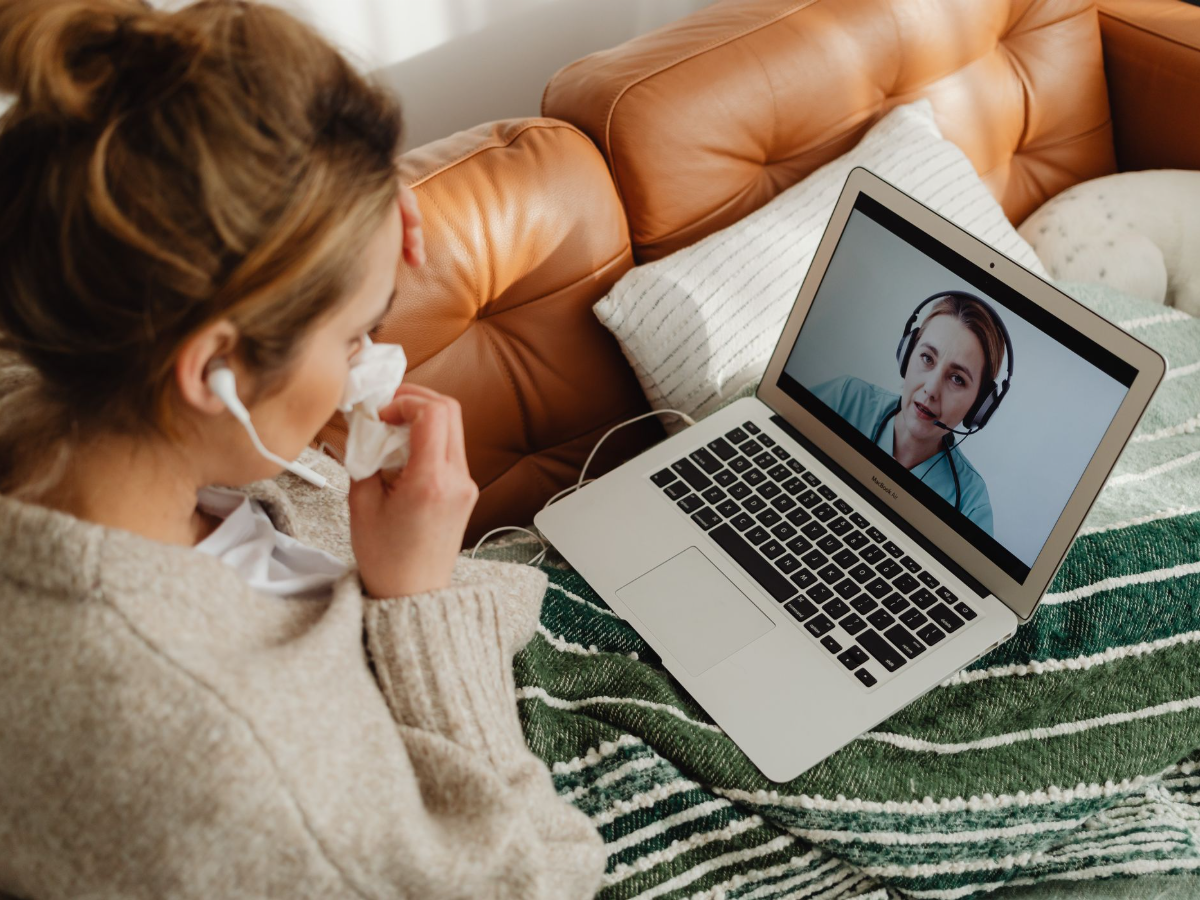
A few years ago, many people asked whether online therapy could really feel personal. Now the better question is whether mental health care can stay accessible without telehealth. That shift says a lot about telehealth mental health trends right now: people are not just trying virtual care in a pinch. They are building it into real, ongoing support.
For anyone looking for a therapist, that matters. It means more options, shorter wait times in some cases, and a better chance of finding a provider who fits your needs instead of settling for whoever happens to be nearby. For therapists, it means care delivery is changing fast, with more emphasis on flexibility, communication, and patient experience. The big trend is not simply that therapy moved online. It is that expectations changed on both sides.
The biggest telehealth mental health trends are about access
The strongest force behind telehealth is still access. Virtual care helps people who live in rural areas, work unpredictable hours, care for children or aging parents, or simply feel more comfortable starting therapy from home. For many clients, getting support online is the difference between starting care now and putting it off for another six months.
That does not mean telehealth solves every access problem. Internet quality, device access, private space, and insurance coverage can still get in the way. Some clients also want in-person care for practical or emotional reasons, and that preference is valid. But overall, telehealth has widened the front door to care, especially for people who were previously shut out by geography, transportation, or scheduling.
Another change is that people are shopping more carefully. They are not only asking, “Who is available?” They are asking, “Who understands anxiety in college students?” or “Who works with grief, trauma, or relationship issues?” Better matching has become part of access. If the first therapist is not the right fit, people are less willing to give up entirely. They expect tools that help them find someone better aligned with their goals, budget, and communication style.
Hybrid care is becoming the default
One of the most practical telehealth mental health trends is the rise of hybrid care. Many clients do not want an all-or-nothing choice between virtual and in-person sessions. They want flexibility. Maybe they start online because it feels easier, then shift to occasional office visits. Maybe they prefer mostly virtual sessions but switch when privacy at home becomes difficult.
This approach works well because mental health needs are not static. A person dealing with work stress may benefit from video sessions during a busy season, while someone navigating a major life transition may want more structured in-person support at certain points. Hybrid models give both clients and providers more room to adjust.
For therapists, hybrid care can also reduce cancellations and keep continuity stronger. If a client cannot drive across town, they may still be able to join from home. That consistency matters. Therapy often works best when it fits real life instead of competing with it.
Why flexibility matters more than novelty
At this point, telehealth is no longer new. What people value is convenience without feeling rushed or disconnected. Good virtual care is not about flashy features. It is about being able to attend sessions regularly, communicate clearly, and feel understood.
That is also why simple, user-friendly platforms matter. When scheduling, intake, and therapist matching are confusing, technology stops being helpful. The best systems reduce friction so clients can focus on care, not logistics.
Matching and personalization are getting smarter
Finding a therapist used to involve long directories, unanswered calls, and a lot of trial and error. One of the most promising telehealth mental health trends is the move toward smarter matching. Instead of sending people into a huge list of providers and hoping for the best, platforms are getting better at narrowing choices based on specialty, cost, availability, identity preferences, and care style.
This matters because fit affects follow-through. When clients feel understood early, they are more likely to attend sessions, engage honestly, and stay in care long enough to see progress. A therapist may be highly qualified and still not be the right person for every client. Better matching respects that reality.
Personalization also shows up in treatment planning. Some people want weekly sessions and structured goals. Others need occasional support, couples therapy, or help with a specific issue like burnout. Telehealth makes it easier to build care around those preferences, especially when platforms gather thoughtful intake information from the start.
TheraConnect reflects this shift well. The value is not just putting therapy online. It is making the path to the right therapist more efficient, more trustworthy, and less overwhelming.
Clients expect more transparency about cost and credentials
People are more informed than they used to be, and that is a good thing. They want to know what therapy costs, whether insurance is accepted, what a provider specializes in, and what licensure and experience they bring. This is one of the healthiest shifts in the market.
Too often, mental health care has felt hard to navigate because basic information was buried or inconsistent. Telehealth platforms are pushing the industry toward clearer profiles, better upfront communication, and fewer surprises. For clients who are already anxious about reaching out, transparency lowers the barrier.
Affordability is a major part of this. Many people seeking support are balancing therapy with rent, groceries, child care, or student loans. They need straightforward options, not vague promises. The platforms and providers that earn trust are the ones that explain costs clearly and help clients understand what is realistic.
Trust is now part of the care experience
In mental health care, trust starts before the first session. It starts with how easy it is to verify a provider, understand the process, and know what to expect. Telehealth has made that more visible. A confusing sign-up flow or sparse provider bio does not just feel inconvenient. It can make people back out entirely.
That is why vetting and clear provider information matter so much. Clients should not have to guess whether someone is qualified or whether the service is legitimate.
Messaging, check-ins, and between-session support are growing
Another shift is that therapy is no longer defined only by the 50-minute session. Many clients now expect some level of digital communication around care, whether that means appointment reminders, secure messaging, digital worksheets, or brief check-ins between sessions.
There is real value here, but it depends on how it is used. Between-session support can help clients stay engaged and remember what they are working on. It can also make therapy feel more continuous and less isolated to a single weekly appointment. For someone managing anxiety or depression, small touchpoints can help reinforce progress.
Still, there are boundaries to consider. Not every provider offers messaging, and not every issue should be handled outside a session. Clear expectations are essential. The trend is not toward unlimited access. It is toward more thoughtful communication that supports treatment without blurring professional limits.
Privacy and quality are under more scrutiny
As telehealth grows, people are asking sharper questions about privacy, data handling, and care quality. That is a sign of maturity in the field. Clients want convenience, but not at the expense of confidentiality or clinical standards.
Providers and platforms now have to show that they take privacy seriously, use secure systems, and maintain professional standards online just as they would in person. For clients, this means it is worth asking practical questions: Where will sessions take place? Is the platform secure? What happens if a connection drops? How are records handled?
Quality is getting more attention too. Telehealth can be highly effective for many concerns, including anxiety, depression, stress, and relationship issues. But it is not identical to every in-person scenario. Some clients need local, in-person, or higher-acuity support depending on symptoms, safety concerns, or treatment needs. Good telehealth care includes knowing when virtual therapy fits and when another level of care would be better.
What these trends mean if you are looking for support
If you are considering therapy, these trends are good news overall. You have more control, more visibility, and more ways to find care that fits your life. But more choice can also feel overwhelming. The key is to focus on a few basics: what kind of support you want, what you can afford, when you are available, and what qualities matter most in a therapist.
It is okay if you do not know all of that right away. A strong platform or provider can help you sort through it. What matters is starting with a service that values fit, transparency, and real human support, not just speed.
Telehealth will keep changing, but the goal should stay simple: make it easier for people to get effective, affordable care from qualified professionals they can trust. If that sounds like what you need, this may be a good time to check now and take the first step.
Your Expertise Deserves to Be Found.
People are searching for support. Make it easier for them to discover you.
Leave a Reply