
f you’ve searched for a therapist and stopped at the price, you’re not alone. Cost is the number one reason people delay getting mental health support. The good news is that therapy fees are more flexible than most people expect, and a few direct questions can save you weeks of guessing.
Here’s how pricing and insurance actually work, and exactly what to ask before you book.
First, understand how TheraConnect works
TheraConnect is a matching site. We connect you with mental health and wellness professionals across the country, but we are not the provider, and we don’t handle billing or set rates.
Every professional listed on TheraConnect decides two things on their own:
- Their fee per session
- Whether they accept insurance, offer reduced rates, or both
That means two providers with the same specialty can have very different prices. There’s no standard rate, and no “TheraConnect price.” Cost is always a conversation between you and the provider.
How much does therapy cost per session?
Across the U.S., private-pay therapy commonly runs anywhere from around $75 to $250 per session, with wide variation by location, credentials, and specialty. Providers in large metro areas and those with advanced specializations tend to charge more. Newer clinicians, group practices, and community-based providers often charge less.
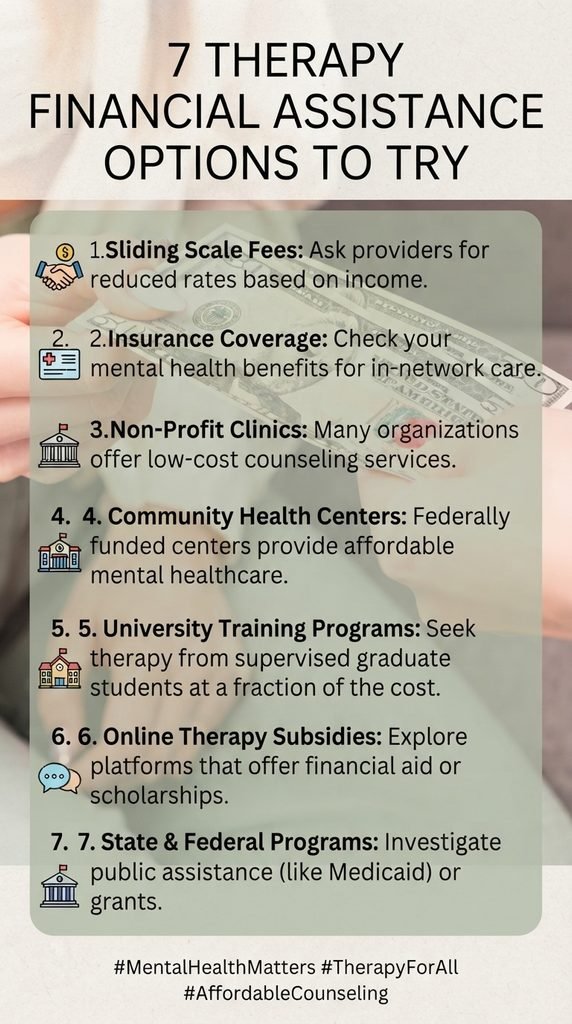
Many providers also offer sliding-scale fees, which means the rate adjusts based on what you can afford. Sliding-scale spots are limited, so it’s worth asking early.
Who can take insurance, and who can’t
This is the part most people don’t know, and it matters.
Only licensed clinicians can bill insurance. That includes licensed therapists (LMFT, LCSW, LPC, LMHC), psychologists (PhD, PsyD), and psychiatrists. If a provider holds a state license, they may accept insurance, but it’s still their choice. Many licensed therapists don’t take insurance because of low reimbursement rates and paperwork demands.
Coaches and wellness practitioners are private-pay. Life coaches, wellness coaches, and other non-licensed professionals can’t bill insurance. That doesn’t make them less valuable for the right goals, but it does mean you’ll pay out of pocket.
If using insurance is important to you, filter for licensed therapists and psychologists, then confirm directly that they’re in-network with your plan. “Accepts insurance” and “in-network with your specific insurer” are not the same thing.
The two questions to ask every provider
Before you book a first session, ask these two questions. Ask them by email, phone, or during a free consultation call, whatever the provider offers.
1. “What is your fee per session?”
Get the number. Ask whether the first session (often called an intake) costs more, and whether they charge for missed or late-canceled appointments.
2. “Do you take insurance or offer reduced rates?”
If they take insurance, ask which plans and whether they’re in-network. If they don’t, ask about sliding-scale availability or a reduced rate for a set number of sessions. You can also ask for a superbill, a receipt you submit to your insurer for possible out-of-network reimbursement.
If affordability is a concern, say so directly
People often feel embarrassed to bring up money with a therapist. Don’t be. Providers hear this every day, and a good one would rather know your budget up front than have you disappear after two sessions.
Try something simple: “I want to be upfront that cost is a concern for me. Is there a rate that could work?”
The provider might offer a lower rate, suggest biweekly sessions instead of weekly, or refer you to a colleague or community clinic that fits your budget. Any of those answers moves you forward.
Therapy should feel accessible, not out of reach.
Other ways to lower the cost of therapy
- Check your Employee Assistance Program (EAP). Many employers cover several free sessions per year.
- Ask about telehealth. Some providers charge less for virtual sessions.
- Look for training clinics. University counseling programs offer supervised therapy at reduced rates.
- Use your HSA or FSA. Therapy with a licensed provider is typically an eligible expense.
- Ask about session frequency. Every other week can be effective and cuts cost in half.
How to find a provider on TheraConnect
Search by specialty, location, and the type of support you’re looking for. Each listing shows the provider’s credentials so you can tell at a glance whether they’re licensed (and eligible to take insurance) or a coach or wellness practitioner (private-pay). Then reach out, ask the two questions above, and decide from there.
Browsing is free and no account is needed. When you’re ready to be matched with a provider, you’ll create a free client account so we can connect you.

FAQ
Does therapy take insurance? Only licensed clinicians (therapists, psychologists, psychiatrists) can bill insurance, and each one decides whether to accept it. Always confirm your specific plan is in-network.
How much is therapy without insurance? Private-pay sessions commonly range from about $75 to $250 depending on location and credentials. Sliding-scale rates can be lower.
What is a sliding-scale fee? A reduced rate based on your income or ability to pay. Ask each provider whether they offer one.
Can I use a life coach through insurance? No. Coaches aren’t licensed clinicians, so their services are private-pay.
What should I ask a therapist about cost? Two questions: “What is your fee per session?” and “Do you take insurance or offer reduced rates?”