
gray rock

  • The Mental Health Cost of Financial Stress: What You Need to Know

    The Mental Health Cost of Financial Stress: What You Need to Know

    The Mental Health Cost of Financial Stress: What You Need to Know

    Understanding the Powerful Connection Between Money and Mental Wellbeing

    Quick Answer: Financial stress profoundly impacts mental health. Research shows 65% of Americans report finances as their top stressor, with 95% sacrificing mental health to manage financially. Money worries trigger anxiety, depression, sleep problems, and relationship conflicts. The relationship is bidirectional—financial stress damages mental health, while mental health conditions can worsen financial situations. Understanding this connection and seeking appropriate support for both aspects is essential for recovery.


    Crisis Resources:

    • 988 Suicide & Crisis Lifeline: Call or text 988
    • National Domestic Violence Hotline: 1-800-799-7233
    • SAMHSA National Helpline: 1-800-662-4357

    Money troubles don’t just affect your bank account—they infiltrate every aspect of your life, from your sleep quality to your relationships to your physical health. The stress of unpaid bills, mounting debt, or unemployment creates a psychological burden that millions carry silently, often feeling ashamed to discuss their struggles.

    Understanding how financial distress impacts mental health is the first step toward addressing both simultaneously and breaking the vicious cycle that traps so many.

    The Staggering Reality of Financial Stress in America

    The numbers paint a sobering picture of how widespread financial anxiety has become. In one comprehensive survey, 65% of American participants reported finances as their most significant source of stress—outranking work, health concerns, and relationship problems.

    Even more alarming, 95% said they “sacrifice their mental health to get by financially” and experience physical concerns such as lack of sleep and headaches due to money worries. This isn’t about wanting luxury items or extravagant vacations—for many, financial stress means uncertainty about affording basic necessities like housing, food, and medical care.

    Why Money Stress Hits Differently

    Financial stress carries unique psychological weight because it:

    • Affects basic survival needs (food, shelter, safety)
    • Creates feelings of helplessness and lack of control
    • Often involves shame and social stigma
    • Can feel endless with no clear solution
    • Impacts every area of life simultaneously
    • May worsen despite your best efforts

    Unlike many stressors that eventually resolve or have clear endpoints, financial problems can persist indefinitely and actually compound over time through interest, late fees, and cascading consequences.

    Recognizing Financial Distress: Early Warning Signs

    Financial distress exists on a spectrum, from early warning signs to full-blown crisis. Understanding where you are on this continuum can help you take action before the situation becomes overwhelming.

    Early Stage Indicators

    Avoidance behaviors:

    • Ignoring bills or avoiding checking bank balances
    • Fear or anxiety when thinking about finances
    • Delaying opening mail from creditors
    • Not tracking spending or reviewing statements

    Poor money management patterns:

    • Living beyond your means consistently
    • No emergency savings or financial cushion
    • High fixed costs relative to income
    • Impulse spending or retail therapy
    • Using shopping as emotional regulation

    Subtle stress signals:

    • Anxiety about money conversations
    • Avoiding social situations due to cost
    • Constant worry about financial future
    • Difficulty concentrating on other areas of life

    Moderate Stage Problems

    Cash flow difficulties:

    • Juggling which bills to pay each month
    • Making minimum payments only on debts
    • Using credit cards for basic necessities
    • Borrowing from friends or family regularly
    • Taking payday loans or high-interest options

    Escalating consequences:

    • Late payment fees accumulating
    • Credit score declining
    • Collection calls beginning
    • Overdraft fees becoming frequent
    • Considering bankruptcy

    Crisis Stage Realities

    Severe financial emergency:

    • Unable to afford basic necessities (food, housing, utilities)
    • Facing eviction or foreclosure
    • Utilities being shut off
    • Multiple collection agencies pursuing you
    • Considering extreme options (selling possessions, moving in with others)
    • Bankruptcy as imminent possibility

    The psychological toll:

    • Constant panic or dread
    • Inability to sleep or function
    • Severe anxiety or depression
    • Relationship breakdowns
    • Physical health deterioration
    • Suicidal thoughts (seek immediate help if experiencing)

    The Bidirectional Relationship: Mental Health and Finances

    The connection between financial health and mental health flows in both directions, creating a challenging cycle that can be difficult to escape.

    How Financial Stress Damages Mental Health

    Chronic anxiety and depression: Money worries fuel constant stress and emotional exhaustion. A 2024 study published in Nature suggests that participants with lower accrued financial assets, such as savings and investments, had substantially higher odds of depression, anxiety, or both—even after controlling for reduced income.

    This finding is crucial: it’s not just low income that causes mental health problems, but the absence of a financial cushion that creates psychological distress.

    Trauma response: Various health experts have recognized poverty as a form of ongoing trauma. Living in persistent financial instability creates similar psychological impacts as other forms of chronic trauma—hypervigilance, difficulty trusting others, shame, and emotional dysregulation.

    Cognitive impairment: Financial stress literally impacts your ability to think clearly. The constant mental bandwidth consumed by money worries leaves less capacity for decision-making, problem-solving, and emotional regulation—which can lead to poor choices that worsen the financial situation.

    How Mental Health Conditions Worsen Financial Situations

    Research indicates that the inverse is often also true. For example, a 2019 survey from England’s Money and Mental Health Policy Institute reports that 76% of participants claimed their pre-existing mental health conditions had contributed to poor financial conditions.

    Depression’s financial impact:

    • Reduced productivity or inability to work
    • Medical costs for treatment
    • Impaired decision-making and motivation
    • Difficulty managing paperwork and deadlines
    • Potential job loss or reduced hours

    Anxiety’s financial consequences:

    • Avoidance of financial tasks and decisions
    • Panic-driven choices (impulse quitting, premature withdrawals)
    • Paralysis preventing action on money matters
    • Difficulty negotiating salary or advocating for yourself

    ADHD and executive function challenges:

    • Difficulty with budgeting and planning
    • Impulsive spending patterns
    • Missing payment deadlines despite best intentions
    • Trouble organizing financial documents

    Substance use disorders:

    • Direct costs of substances
    • Reduced work capacity or job loss
    • Legal fees and fines
    • Medical expenses
    • Impaired judgment leading to financial mistakes

    The Physical Health Consequences of Money Stress

    Financial worries don’t stay confined to your mind—they manifest in your body in measurable, harmful ways.

    Immediate Physical Impacts

    Money worries may keep you up at night, potentially resulting in poor sleep, low energy, and a reduced capacity to cope with daily demands.

    Short-term stress responses:

    • Elevated heart rate
    • Increased blood pressure
    • Muscle tension and headaches
    • Digestive upset
    • Fatigue despite inactivity
    • Difficulty concentrating

    Long-Term Health Risks

    When financial worries lead to psychological stress, they trigger the release of stress hormones such as cortisol and adrenaline. In the short term, these hormones prepare the body for action by increasing heart rate and blood pressure.

    However, prolonged stress causes wear and tear on the body, potentially increasing one’s risk of health challenges such as:

    Cardiovascular problems:

    • Hypertension (chronic high blood pressure)
    • Increased risk of heart attack
    • Stroke risk elevation
    • Heart disease progression

    Immune system dysfunction:

    • Increased susceptibility to illness
    • Slower wound healing
    • Worsening of autoimmune conditions
    • Chronic inflammation

    Metabolic disorders:

    • Type 2 diabetes development or worsening
    • Weight gain or difficulty losing weight
    • Insulin resistance
    • Metabolic syndrome

    Other chronic conditions:

    • Digestive disorders (IBS, ulcers)
    • Chronic pain conditions
    • Asthma exacerbation
    • Skin conditions (eczema, psoriasis flare-ups)

    The Vicious Cycle

    These physical health problems then generate medical bills, potentially causing missed work, which creates more financial stress—perpetuating the destructive cycle.

    Financial Stress and Relationship Strain

    Money problems consistently rank among the top sources of conflict in relationships and families.

    Romantic Relationships Under Financial Pressure

    One study suggests that money accounts for 40% of fights between couples in long-term relationships. These aren’t just minor disagreements—financial conflict can fundamentally damage relationship foundations.

    Common money conflicts:

    • Different spending philosophies and priorities
    • Lack of transparency about finances
    • One partner’s spending affecting both
    • Disagreements about financial goals
    • Blame and resentment about the situation
    • Power imbalances related to income disparities

    Relationship consequences: If left unaddressed, these arguments can cause distance and conflict—potentially even leading to separation or divorce. Financial problems are cited as a leading cause of divorce in multiple studies.

    Impact on Children and Families

    Tension in households experiencing financial instability can affect children significantly. They may experience increased instability and uncertainty, particularly when witnessing their parents’ worry and stress.

    Children’s experiences:

    • Absorbing parents’ stress and anxiety
    • Feeling responsible or guilty about family finances
    • Facing bullying or shame related to economic status
    • Moving frequently or changing schools
    • Losing access to activities or opportunities
    • Learning unhealthy coping mechanisms or beliefs about money

    Long-term impacts: Children who grow up in financially stressed households may develop anxiety around money, difficulties trusting financial security even when achieved, or replicating unhealthy financial patterns in adulthood.

    Understanding Financially Contingent Self-Worth (FCSW)

    Many people connect financial problems and self-worth, with some experiencing shame and insecurity when their economic situation is unstable.

    What Is FCSW?

    This connection, known by psychologists as financially contingent self-worth (FCSW), means that your sense of value as a person rises and falls with your financial situation. When finances are good, you feel worthy; when finances struggle, you feel worthless.

    The Bidirectional Problem

    This creates a dangerous cycle: financial stress erodes self-esteem, and self-esteem issues cause behaviors that lead to further financial stress.

    How FCSW manifests:

    • Equating net worth with self-worth
    • Feeling shame about financial struggles
    • Hiding financial reality from others
    • Making financial decisions based on image rather than practicality
    • Using spending to temporarily boost self-esteem
    • Avoiding relationships or social situations to hide financial status

    Adverse outcomes: People with FCSW could isolate themselves socially, make poor financial decisions, and experience reduced life satisfaction and signs of mental health conditions.

    Unhealthy Coping Mechanisms for Financial Stress

    When financial strain occurs, some people develop harmful coping patterns that provide temporary relief but worsen outcomes long-term.

    Avoidance Behaviors

    Financial denial:

    • Not opening bills or checking bank balances
    • Ignoring collection calls and notices
    • Refusing to calculate total debt
    • Avoiding thinking about money entirely

    Social withdrawal:

    • Isolating from family and friends
    • Declining invitations to avoid situations where financial disparities may be apparent
    • Hiding financial reality from loved ones
    • Refusing help due to shame

    Substance-Based Coping

    Some may use food, drugs, or alcohol as a coping mechanism when they experience financial distress, potentially leading to:

    • Addiction or dependency issues
    • Additional financial burden from substance costs
    • Health impacts requiring medical care
    • Impaired judgment leading to worse financial decisions
    • Employment problems or job loss

    Other Destructive Patterns

    Gambling:

    • Viewing gambling as potential financial solution
    • Lottery ticket purchases as “investment”
    • Online betting or casino gambling
    • Escalating losses creating deeper holes

    Retail therapy:

    • Spending money you don’t have to feel temporarily better
    • Using shopping as emotional regulation
    • Accumulating possessions while debt grows
    • Creating new debt to manage emotions about existing debt

    Building Financial Health: A Comprehensive Approach

    While recovering from financial distress is challenging, it’s absolutely possible with the right strategies and support.

    Understanding Financial Health Indicators

    To assess and improve your financial wellbeing, consider these key areas:

    1. Spending versus income: Living within your means when possible—spending should not exceed earnings. This is sensitive to economic factors and not always immediately achievable, but remains an important goal.

    2. Savings and emergency funds: Building a financial cushion, however small initially. Even $500-1000 in emergency savings can prevent crisis when unexpected expenses arise.

    3. Debt management:

    • Understanding your debt-to-income ratio
    • Knowing your credit score
    • Having a plan for addressing high-interest debt
    • Avoiding accumulating new debt when possible

    4. Net worth trajectory: Your net worth (assets minus liabilities) provides a snapshot of overall financial stability. Even if currently negative, tracking whether it’s improving over time matters.

    Practical Steps Toward Financial Stability

    Create a realistic budget:

    • Track all income and expenses for one month
    • Identify necessary versus discretionary spending
    • Set achievable financial goals
    • Review and adjust monthly

    Build emergency savings gradually:

    • Start with small, achievable goals ($25-50 per paycheck)
    • Automate savings if possible
    • Keep emergency funds separate from spending accounts
    • Celebrate milestones (first $100, first $500, first $1000)

    Address debt strategically:

    • List all debts with interest rates
    • Prioritize high-interest debt when possible
    • Make minimum payments on everything while attacking one debt aggressively
    • Consider debt consolidation or balance transfers if beneficial
    • Avoid accumulating new debt

    Improve credit gradually:

    • Pay bills on time whenever possible
    • Keep credit utilization below 30% of limits
    • Don’t close old credit cards (affects credit history length)
    • Check credit reports annually for errors
    • Dispute inaccuracies promptly

    Invest in your future when possible:

    • Contribute to employer retirement plans, especially with matching
    • Consider IRA options
    • Start small if needed—consistency matters more than amount initially
    • Increase contributions as income grows

    Seeking Professional Financial Guidance

    Professional help can accelerate progress and prevent costly mistakes.

    Financial advisors: Offer comprehensive planning including wealth management, retirement planning, and investment strategies. They can also address immediate debt concerns and create long-term financial roadmaps.

    Credit counseling agencies: Primarily nonprofits, offer specialized advice and programs for people struggling with debt. They may help negotiate with creditors, consolidate payments, and sometimes provide guidance on bankruptcy if necessary.

    Nonprofit financial literacy programs: Many organizations offer education and resources at no or low cost. Community-specific programs or mutual aid groups may also help with immediate hardships.

    Legal aid for bankruptcy: If bankruptcy becomes necessary, legal aid societies or pro bono attorneys can help navigate the process while protecting your rights.

    Building Mental Resilience During Financial Hardship

    Your psychological wellbeing matters as much as your financial recovery—perhaps even more, since mental health impacts your capacity to address financial problems.

    Reframing Your Relationship With Money

    Separate worth from wealth: Your inherent value as a human being is not determined by your bank balance, salary, or possessions. Remind yourself regularly that you have worth beyond your finances or productivity.

    Practice self-compassion: Financial difficulties are incredibly common—you’re not alone, you’re not uniquely bad with money, and you’re not a failure. Treat yourself with the kindness you’d show a friend in similar circumstances.

    Focus on progress, not perfection: Celebrate small financial wins. Paid an extra $50 on a credit card? Made it through the month without overdrafting? These victories matter. Progress is not linear—setbacks don’t erase your efforts.

    Challenge shame: Shame thrives in secrecy. When safe to do so, talk about your financial struggles with trusted people. You’ll often discover others face similar challenges, reducing isolation and stigma.

    Self-Care During Financial Stress

    Physical and emotional self-care provides the foundation for resilience during difficult times.

    Prioritize sleep: Despite money worries, maintain sleep hygiene. Adequate rest improves decision-making, emotional regulation, and physical health—all essential for addressing financial problems.

    Move your body: Exercise reduces stress hormones, improves mood, and boosts cognitive function. Walking is free, as are home workouts from YouTube. Movement doesn’t require gym memberships.

    Connect with nature: Spending time outdoors provides mental health benefits at no cost. Parks, trails, and natural spaces offer respite from financial stress.

    Practice mindfulness: Deep breathing, meditation, and mindfulness techniques calm your nervous system and relieve stress. Free apps and YouTube channels provide guidance.

    Maintain social connections: Lean on your support network when possible. True friends care about your company, not your financial status. Be honest about your budget limitations when making plans.

    Engage in meaningful activities: Continue hobbies and activities that bring joy, prioritizing free or low-cost options. Creativity, learning, and purposeful engagement nourish mental health.

    When to Seek Mental Health Support

    Financial stress significantly impacts mental wellbeing in ways that may require professional intervention.

    Warning Signs You Need Support

    Psychological symptoms:

    • Persistent anxiety that interferes with daily functioning
    • Depression symptoms (hopelessness, loss of interest, persistent sadness)
    • Panic attacks related to money
    • Intrusive thoughts about finances
    • Inability to focus on anything besides money worries

    Behavioral changes:

    • Social isolation and withdrawal
    • Using substances to cope
    • Engaging in risky behaviors (gambling, dangerous spending)
    • Neglecting self-care or responsibilities
    • Sleep disturbances (insomnia or excessive sleeping)

    Physical manifestations:

    • Chronic fatigue unrelieved by rest
    • Persistent headaches or body pain
    • Digestive problems
    • Changes in appetite or weight
    • Physical symptoms with no medical explanation

    Crisis indicators:

    • Thoughts of self-harm or suicide
    • Feeling life is not worth living
    • Believing others would be better off without you
    • Planning methods of ending your life

    If you’re experiencing suicidal thoughts, contact the 988 Suicide & Crisis Lifeline immediately by calling or texting 988.

    How Therapy Can Help

    Therapeutic support addresses:

    • Anxiety management techniques specific to financial stress
    • Depression treatment through evidence-based approaches
    • Cognitive restructuring around money beliefs and self-worth
    • Healthy coping mechanism development
    • Processing trauma related to poverty or financial crisis
    • Relationship skills for navigating money conflicts
    • Addressing underlying mental health conditions affecting finances

    Online Therapy as an Accessible Option

    Often, therapists working through internet-based platforms can offer services in a more convenient format than traditional in-person providers, since online therapy allows you to receive treatment virtually from home.

    Advantages of online therapy:

    • More affordable than traditional therapy without insurance
    • Greater scheduling flexibility
    • Access from home (saving transportation costs)
    • Some platforms offer financial assistance for those who qualify
    • Reduced stigma for those uncomfortable with in-person sessions

    Research support: Several studies indicate that internet-delivered therapy—particularly online CBT (cognitive behavioral therapy)—may be effective for reducing depression and anxiety symptoms while reducing financial barriers to treatment.

    One study measured outcomes for participants in a four- to eight-week online CBT program developed specifically to address the link between economic difficulties and mental health challenges. The findings suggest that participants experienced reduced symptoms of depression and anxiety as well as improvements in financial well-being.

    Breaking the Cycle: Integrated Recovery

    True recovery from financial distress requires addressing both the practical financial aspects and the mental health impacts simultaneously.

    The Integrated Approach

    Financial recovery supports mental health:

    • Reduced anxiety as financial situation stabilizes
    • Increased self-efficacy from taking action
    • Improved self-esteem from achieving goals
    • Better sleep as worry decreases
    • More emotional energy for relationships and self-care

    Mental health recovery supports financial recovery:

    • Improved decision-making capacity
    • Better emotional regulation preventing impulsive choices
    • Increased motivation and follow-through
    • Enhanced problem-solving abilities
    • Greater resilience when facing setbacks

    Creating Your Recovery Plan

    1. Assess both areas honestly:

    • Current financial situation (debts, income, expenses)
    • Current mental health status (symptoms, functioning, coping)

    2. Seek appropriate support:

    • Financial counseling or advisor
    • Mental health professional
    • Support groups (financial stress, depression, anxiety)

    3. Set realistic, achievable goals:

    • Small financial wins (pay off one small debt, save first $100)
    • Mental health improvements (reduce anxiety symptoms, improve sleep)

    4. Track progress regularly:

    • Weekly or monthly financial check-ins
    • Mental health symptom monitoring
    • Celebrate improvements in both areas

    5. Adjust as needed:

    • Recognize setbacks are normal
    • Modify strategies that aren’t working
    • Seek additional support when needed

    Key Takeaways

    The financial stress-mental health connection:

    • 65% of Americans report finances as their top stressor
    • Financial stress increases risk of anxiety, depression, and physical illness
    • Mental health conditions can worsen financial situations
    • The relationship is bidirectional and can create vicious cycles

    Warning signs of financial distress:

    • Avoidance behaviors (not checking accounts, ignoring bills)
    • Juggling payments and relying on credit for basics
    • Collection calls and declining credit
    • Physical symptoms (sleep problems, headaches, digestive issues)
    • Relationship conflicts about money

    Paths to recovery:

    • Address both financial and mental health simultaneously
    • Seek professional support in both areas
    • Practice self-compassion and challenge shame
    • Build financial literacy and healthy money habits
    • Develop mental resilience and healthy coping mechanisms
    • Connect with support systems and resources

    Remember:

    • Financial difficulties don’t define your worth
    • Recovery is possible with appropriate support
    • You’re not alone in facing these challenges
    • Seeking help is strength, not weakness
    • Both your financial and mental health matter

    Crisis Resources

    Immediate Help:

    • 988 Suicide & Crisis Lifeline: Call or text 988
    • Crisis Text Line: Text HOME to 741741
    • National Domestic Violence Hotline: 1-800-799-7233
    • SAMHSA National Helpline: 1-800-662-4357

    Financial Assistance:

    • National Foundation for Credit Counseling: 1-800-388-2227
    • 211: Dial 211 for local resources (food, housing, utilities)
    • Benefits.gov: Find federal benefits you may qualify for

    Disclaimer: This article provides educational information about the relationship between financial stress and mental health. It should not replace professional financial advice, mental health treatment, or medical care. If you’re experiencing financial crisis or mental health emergency, please seek appropriate professional support.

  • The Stress-Eczema Connection: Why Anxiety Triggers Flare-Ups

    The Stress-Eczema Connection: Why Anxiety Triggers Flare-Ups

    Why Stress Triggers Eczema Flare-Ups: The Surprising Biological Link

    Eczema, or atopic dermatitis, is a chronic inflammatory skin condition.1 While it has genetic and environmental causes, research consistently shows that emotional stress is a major factor that can initiate, prolong, or intensify a flare-up [1].2

    This is not just psychological; it’s a biological reaction where your nervous system directly compromises your skin’s defense mechanisms.3


    🧬 How Stress Hormones Attack the Skin Barrier

    The link between stress and eczema runs through the Hypothalamic-Pituitary-Adrenal (HPA) axis—the body’s master stress response system.4

    1. The Cortisol Cascade

    Under stress, the HPA axis releases high levels of cortisol (the primary stress hormone).5 Chronically high cortisol levels can disrupt the body’s immune balance, ultimately leading to inflammation in the skin [2].6

    2. Mast Cell Overload

    Stress hormones directly signal immune cells in the skin called mast cells.7 These cells release inflammatory chemicals like histamine [3]. This histamine release is what causes the immediate, intense itching (pruritus), redness, and swelling characteristic of a flare-up [4].

    3. Compromising the Barrier

    Eczema sufferers already have a weakened skin barrier.8 Stress hormones further impair the production of essential lipids and proteins needed to maintain this barrier [5].9 A compromised barrier easily loses moisture (leading to dryness) and becomes permeable, allowing irritants, allergens, and bacteria to enter, which ignites an inflammatory cycle.

    4. The Vicious Itch-Scratch Cycle

    Stress heightens the perception of itch [1]. The anxiety of the flare-up leads to more scratching, which further damages the skin barrier. This damage causes more inflammation, which, in turn, causes more anxiety and stress—creating a painful feedback loop that is difficult to stop [4].


    🛡️ Managing Your Eczema Triggers

    Because the link is biological and behavioral, managing stress-induced eczema requires a dual approach:

    StrategyGoalSEO Keywords
    Stress Reduction TechniquesReduce the biological release of cortisol and adrenaline.Eczema stress relief, mindfulness for skin, CBT for eczema.
    Barrier RepairUse moisturizers and topical treatments to support the skin’s physical defense layer.Best eczema moisturizers, repairing skin barrier.
    Psychological SupportTherapies like CBT can help manage the emotional burden and break the itch-scratch cycle [6].Therapy for atopic dermatitis, stopping the scratch cycle.

    Citations

    1. Dhabhar, F. S. (2014). Stress-induced exacerbation of skin conditions. Allergology International, 63(1), 1–11.
    2. Elias, P. M., & Schmuth, M. (2009). Abnormal skin barrier in the etiopathogenesis of atopic dermatitis.10 Current Allergy and Asthma Reports, 9(4), 265–272.
    3. Goyal, T., & Sharma, V. (2020). The role of mast cells in skin diseases. Indian Journal of Dermatology, Venereology, and Leprology, 86(4), 362–372.
    4. Radtke, M. A., et al. (2017). Stress, pruritus, and the chronic course of atopic dermatitis. Dermatology and Psychosomatics, 18(4), 163–170.
    5. Thomsen, S. F. (2015). Atopic dermatitis: natural history, prognosis, and diagnosis. International Scholarly Research Notices, 2015.
    6. Chida, F. Y., et al. (2009). The efficacy of psychological interventions for reducing the severity of eczema: A meta-analysis. International Journal of Behavioral Medicine, 16(2), 173–182.
  • 10 Celebrities Who Inspire By Sharing Mental Health Struggles

    10 Celebrities Who Inspire By Sharing Mental Health Struggles

    Top 10 Stars with Mental Health Issues

    It would seem that superstars have it everything, from large mansions and fat bank accounts to flashy automobiles and legions of devoted admirers. However, fame doesn’t provide any protection against psychological distress. A number of today’s most prominent figures have been open about their struggles with mental health in recent years. By sharing their experiences openly, they raise vital knowledge of the efficacy of modern therapies and the need of emotional support.

    Here are ten well-known people who have spoken openly about their own experiences with mental illness.

    Adele’s postpartum sadness

    After giving birth to her baby, this Grammy-winning singer revealed to Vanity Fair that she had been suffering from postpartum depression. She recalls, “After I delivered my kid, I had severe postpartum depression, and it scared me to death.” She says she didn’t seek treatment from a doctor or anybody else, and she kept the issue to herself. She finally said, “I was quite hesitant.”

    Symptoms of social anxiety disorder in Steve Young

    Former NFL quarterback and Brigham Young University alum Steve Young seemed to have it all. But Young opens out about his lifelong struggle with anxiety in his new book, QB: My Life Behind the Spiral. In a TV interview, he said, “At its foundation is this urgency, like, I must make this happen.”

    The bipolar illness of Demi Lovato

    Lovato, at 24 years old, has been a singer and public personality since she was a teenager. She revealed her experiences with bullying, substance abuse, anorexia, self-harm, and despair when she was eighteen years old. Lovato said that her bipolar illness diagnosis came about when she was receiving therapy for substance abuse and eating issues, as she discussed in a recent television interview. As a result, Lovato is now better able to manage her emotions and cope with adversity. In her own words, “I began to feel” for the first time. As of right now, Lovato is one of the campaign’s celebrity spokespeople.

    Chrissy Teigen’s postpartum depression

    Teigen, who grew up in Utah but is now a prominent model, TV personality, and the wife of multi-platinum recording artist John Legend, revealed her sexuality in a revealing article published in the April 2017 edition of Glamour Magazine. I had everything I needed to be happy,” she stated. Nonetheless, I’ve been miserable for the better part of the last year. My postpartum depression was something that my family and friends knew about but I didn’t find out about until December. To conclude her piece, Teigen wrote about the reasons she felt compelled to come up now. “I don’t want others who have it to feel humiliated or feel alone,” she said.

    Leonardo DiCaprio-obsessive-compulsive disorder

    Oscar winner Bradley Cooper said he can’t help but repeatedly stroll through doors and tread on chewing gum marks on the pavement. DiCaprio, though, claims to have mastered his OCD, explaining, “I’m able to say at some point, ‘OK, you’re being stupid. Please refrain from constantly treading on gum marks. You may disregard that suggestion.

    PTSD and Lady Gaga

    Lady Gaga has been successful in the music and film industries, but in December 2016, she revealed that she had been diagnosed with post-traumatic stress disorder. When Gaga was 19 years old, she was the victim of a rape, as she revealed in an interview in 2014. She explains that she can relate to people’s experiences of trauma since she has had her own.

    Daniel Radcliffe, OCD

    The ten-year-old who kept Harry Potter famous has been battling obsessive-compulsive disorder since the age of 5. “Dan chose to seek treatment when his nervousness stopped him from switching off a lamp for 5 minutes,” writes Alexandra Daluisio. The young Radcliffe already recognized that action was required.

    Donny Osmond with Social Anxiety

    Donny Osmond is another famous person from this area who has struggled with social anxiety disorder throughout his life, especially when it came to being on stage. In 1994, while playing the title role in Joseph and the Amazing Technicolor Dreamcoat by Andrew Lloyd Webber, he discovered he need assistance. Osmond has been a cherished member of the Anxiety and Depression Association of America since 2004. I want individuals to understand they aren’t alone and that there is assistance out there,” he stated.

    Michael Phelps has attention-deficit hyperactivity disorder.

    American swimmer Michael Phelps set a new record when he won a total of 19 medals in the Olympic Games. Furthermore, he struggles with ADD/ADHD. Swimming provided “a refuge, a place to burn off extra energy” for Phelps, who was “a gangly, hyperactive youngster who was diagnosed with the disease at the age of nine,” as author Patrick Barkham puts it. A generation of athletes who were previously written off may be inspired by the Olympic competitors with ADHD.

    Dan Reynolds’ clinical depression

    Dan Reynolds is a member of the popular rock band Imagine Dragons, but he says he’s “depressed as hell,” considering the band’s popularity and the fulfillment he finds in his profession as a musician. Reynolds has been open about his struggles with clinical depression since 2012. As one person put it, “That’s a terrifying thing when you acquire all you may have desired and yet you still sense this absence since, at that moment, you think, ‘Oh man, if this doesn’t satisfy it, then I do not even know where to seek anymore. Taking on the responsibilities of a spouse and parent has inspired him to make some life-improving decisions. That prompted me to take stock of my life and learn to appreciate it more fully, so thank you for that.

  • 11 Subtle Signs Your Partner Doesn’t Value You (Even If They Say They Do)

    11 Subtle Signs Your Partner Doesn’t Value You (Even If They Say They Do)

    How to Recognize When Love Has Lost Its Appreciation

    Quick Answer: Lack of appreciation in relationships manifests through 11 key behaviors: discontinuing romantic gestures, poor listening skills, dismissing different perspectives, delayed responses to needs, ignoring contributions, undermining personal growth, deprioritizing the relationship, belittling comments, reduced intimacy, avoiding accountability, and taking love for granted. Research shows that expressing gratitude and responding to bids for attention are predictive of lasting relationships.


    Words are easy. Anyone can say “I love you.” But genuine appreciation shows up in actions, attention, and consistent effort. When appreciation fades from a relationship, the foundation begins to crack—often so gradually that neither partner notices until significant damage has occurred.

    Feeling valued isn’t about grand romantic gestures or expensive gifts. It’s about daily recognition, emotional attentiveness, and the small decisions that communicate “you matter to me.” When these signals disappear, even the strongest declarations of love ring hollow.

    Understanding the warning signs of diminishing appreciation can help you identify problems early, open important conversations, or recognize when a relationship no longer serves your wellbeing.

    Why Appreciation Matters in Relationships

    Appreciation forms the emotional bedrock of healthy partnerships. It’s the difference between a relationship where both people feel seen and one where someone feels invisible despite sharing their life with another person.

    Research published in Personal Relationships found that partners who regularly express appreciation report higher relationship satisfaction, greater commitment, and stronger emotional bonds. Conversely, when appreciation diminishes, resentment builds, emotional distance grows, and the relationship becomes transactional rather than nurturing.

    The Appreciation-Love Connection

    Interestingly, the act of expressing appreciation doesn’t just benefit the receiver—it strengthens the giver’s feelings as well. Studies have demonstrated that expressing love helps both partners feel more love, creating a positive feedback loop. When appreciation stops, this cycle reverses, potentially causing relationships to deteriorate through a self-perpetuating pattern of emotional withdrawal.

    11 Warning Signs of Lost Appreciation

    1. Romantic Effort Has Disappeared

    The transition from active courtship to comfortable companionship is natural. However, there’s a significant difference between comfortable familiarity and complete abandonment of romantic effort.

    What this looks like:

    • No more surprise gestures or thoughtful planning
    • Date nights become nonexistent
    • Special occasions pass with minimal acknowledgment
    • Physical affection becomes purely functional
    • Shared activities are replaced with parallel but separate lives

    Even after years together, partners can feel unappreciated when romantic gestures that once reinforced closeness fade, leaving them feeling unseen and undervalued. When one person stops courting their partner, it communicates that the relationship no longer requires investment.

    Why it matters: Continued courtship doesn’t require elaborate plans or significant expense. A spontaneous walk, sharing something funny, planning a movie night—these small gestures signal ongoing interest and investment. They communicate “I still choose you” and “our connection matters to me.”

    2. Active Listening Has Been Replaced With Passive Hearing

    There’s a profound difference between hearing words and genuinely listening to understand.

    What this looks like:

    • Interrupting or talking over their partner
    • Looking at phones during conversations
    • Dismissing emotions as overreactions
    • Offering unsolicited solutions instead of empathy
    • Forgetting important details shared previously
    • Responding with generic phrases that could apply to any situation

    Many people, particularly those socialized as problem-solvers, focus on fixing issues rather than providing emotional understanding. When a partner shares to feel heard and receives only solutions or dismissal, it creates profound loneliness.

    Why it matters: Effective listening validates existence and experience. Simple engagement signals—maintaining eye contact, using affirming sounds like “mm-hmm” or phrases like “I understand why that would upset you”—transform hearing into an act of love. These micro-moments of attention accumulate into feelings of being truly known and valued.

    3. Expecting Uniform Thinking and Emotional Processing

    Assuming a partner should think, feel, and react identically creates unrealistic expectations that guarantee disappointment and frustration.

    What this looks like:

    • Frustration when partner processes emotions differently
    • Dismissing perspectives that don’t align with their own
    • “You’re too sensitive” or “You’re overreacting”
    • Inability to accept different approaches to problems
    • Expecting partner to abandon their natural responses

    Men and women often (though not always) approach emotional processing differently, as do people with different personality types, cultural backgrounds, and lived experiences. Expecting conformity to one “correct” way of thinking devalues a partner’s entire psychological framework.

    Why it matters: Appreciation requires respecting different worldviews. When partners honor these differences rather than fight them, they gain access to richer, more nuanced perspectives. Diverse thinking styles strengthen relationships by bringing complementary approaches to challenges.

    4. Delayed or Dismissed Responses to Requests

    How someone responds when their partner asks for help reveals their true priorities.

    What this looks like:

    • “I’ll do it later” becomes “I forgot”
    • Acting interrupted or bothered by requests
    • Prioritizing personal activities over partner’s needs
    • Never following through without multiple reminders
    • Treating requests as optional suggestions

    Research from The Gottman Institute shows that partners who respond to one another’s bids for attention tend to have stronger bonds, and those responses predict marriages that last longer.

    Why it matters: Responsiveness communicates value. When someone consistently delays, dismisses, or ignores their partner’s needs, they send a clear message: “You and your needs are not important enough to interrupt my priorities.” Even when immediate action isn’t possible, acknowledging the request and creating a plan demonstrates care and respect.

    5. Invisible Labor Goes Unnoticed

    Many relationship tasks happen in the background—remembering important dates, maintaining social connections, managing household details, planning quality time together. When these contributions become expected rather than appreciated, resentment builds.

    What this looks like:

    • Assuming things happen automatically
    • Never thanking partner for routine efforts
    • Failing to notice when partner goes above and beyond
    • Taking credit for joint accomplishments
    • Complaining when something isn’t done without acknowledging everything that was

    Research reported by Harvard Health showed that people who expressed appreciation feel more positively toward their partner. The inverse is also true—lack of recognition breeds negativity.

    Why it matters: Acknowledging effort doesn’t require elaborate praise. Simple recognition—”I notice what you do” or “You make our life better”—validates invisible labor and reinforces that contributions matter. This recognition prevents the painful feeling of being taken for granted.

    6. Personal Growth Is Discouraged or Ignored

    Healthy relationships celebrate individual development alongside partnership growth. When one person feels threatened by or indifferent to their partner’s evolution, it signals fundamental insecurity or lack of care.

    What this looks like:

    • Discouraging new hobbies or interests
    • Showing no interest in partner’s goals or achievements
    • Competing with rather than celebrating successes
    • Undermining confidence or ambitions
    • Restricting friendships or outside activities
    • Making partner feel guilty for pursuing individual interests

    Why it matters: True appreciation celebrates the whole person, not just the role they fill in the relationship. Supporting personal growth demonstrates trust, respect, and genuine love. It communicates “I value who you are becoming” rather than “I only value what you do for me.”

    Partners who encourage each other’s development create relationships where both people can thrive as individuals while building something meaningful together.

    7. The Relationship Becomes an Afterthought

    When work, hobbies, friends, or devices consistently take priority over partnership, the message is clear: the relationship isn’t actually a priority.

    What this looks like:

    • Scheduling everything else first, fitting partner into remaining gaps
    • Constantly distracted by phones during shared time
    • Canceling plans with partner but never canceling other commitments
    • Spending minimal quality time together
    • Never choosing partner over other options

    Over time, this pattern erodes emotional connection. One person feels they’re competing for attention that should be freely given.

    Why it matters: Prioritization is a love language. Putting away devices during dinner, asking about their day with genuine interest, protecting dedicated couple time—these actions reassure partners that they matter most. Consistent presence builds trust and security.

    8. Criticism Masquerading as Humor

    Jokes at a partner’s expense, comparisons to others, or consistent criticism—even when framed as playful teasing—slowly erodes confidence and security.

    What this looks like:

    • “Just kidding!” after hurtful comments
    • Public embarrassment disguised as humor
    • Pointing out flaws or mistakes as entertainment
    • Comparing partner unfavorably to others
    • Dismissing hurt feelings with “You’re too sensitive”

    Therapist Dr. Mark Travers explains that snide jokes can easily reflect contempt, which is one of the most damaging forces in any relationship.

    Why it matters: Many people instinctively analyze the deeper meaning behind comments, wondering if jokes reveal true feelings. Consistent belittling—regardless of intent—undermines security and self-worth. Genuine appreciation shows up in words and humor that build up rather than tear down.

    Respect doesn’t mean never teasing, but it does mean ensuring humor never comes at the expense of a partner’s dignity or self-esteem.

    9. Physical and Emotional Intimacy Fades

    When affection, desire, and emotional vulnerability disappear, it signals disconnection on multiple levels.

    What this looks like:

    • Minimal or no physical touch
    • Avoiding intimate conversations
    • Treating physical intimacy as obligatory
    • No spontaneous affection
    • Emotional walls that prevent vulnerability
    • Rejecting or ridiculing emotional needs

    Physical and emotional intimacy are deeply intertwined. When one disappears, the other typically follows.

    Why it matters: Intimacy requires feeling emotionally safe and genuinely desired. Partners who maintain connection through consistent affection, vulnerable sharing, and physical closeness strengthen both dimensions of intimacy. When appreciation is present, desire naturally follows.

    10. Accountability Is Nonexistent

    Refusing to acknowledge mistakes, deflecting blame, or making excuses prevents relationship growth and damages trust.

    What this looks like:

    • Never apologizing or saying “I was wrong”
    • Blaming partner for all relationship problems
    • Defensive reactions to feedback
    • Excuses rather than ownership
    • Repeating hurtful behaviors without change
    • “That’s just how I am” as justification

    Avoidance can create resentment and diminish trust, ultimately destroying the foundation of the relationship.

    Why it matters: Accountability demonstrates emotional maturity and respect. When partners own their mistakes and work toward improvement, they show that the relationship matters more than their ego. This vulnerability builds trust and reassures that both people’s contributions are valued.

    11. Taking Love for Granted

    Perhaps the most painful signal: assuming a partner will always remain, regardless of treatment or effort invested.

    What this looks like:

    • Minimal effort in the relationship
    • Assumption that partner won’t leave
    • No concern about relationship quality
    • Ignoring warning signs or complaints
    • “They know I love them” without demonstrating it
    • Comfortable neglect

    Love isn’t permanent without maintenance. Relationships require consistent emotional nourishment from both partners.

    Why it matters: When people feel their love is assumed rather than earned and cherished, they begin questioning their value in the relationship. Partners who consistently show up through attentive communication, small gestures, and emotional presence demonstrate that love is both felt and actively maintained.

    The Gender Dynamics of Appreciation

    While these patterns can appear in any relationship regardless of gender, research suggests some gendered tendencies in how people express and experience appreciation.

    Traditional masculine socialization often emphasizes action and problem-solving over emotional expression and verbal affirmation. This can create situations where one partner feels deeply appreciated because their needs are met practically, while the other feels emotionally neglected despite material comfort.

    Similarly, traditional feminine socialization often emphasizes emotional labor and relationship maintenance. This can lead to an imbalanced dynamic where one person does most of the work to maintain connection while the other assumes the relationship will sustain itself.

    Understanding these patterns isn’t about excuse-making—it’s about recognizing that different socialization creates different blind spots. Awareness allows conscious correction.

    When Lack of Appreciation Becomes a Pattern

    Occasional lapses in appreciation are normal—life gets busy, stress accumulates, and people sometimes take each other for granted temporarily. The concern arises when these behaviors become consistent patterns rather than isolated incidents.

    Red flags that indicate systemic problems:

    • Multiple signs appearing simultaneously
    • Patterns persisting despite conversations about needs
    • Increasing frequency or intensity over time
    • Defensiveness rather than receptiveness when issues are raised
    • No genuine effort toward change

    If you recognize several of these patterns in your relationship, it warrants serious reflection and conversation.

    What to Do When Appreciation Has Faded

    Have Direct Conversations

    Many people never explicitly communicate their needs, assuming partners should intuitively understand. While ideal partners do develop this skill, clear communication accelerates understanding.

    Effective conversation strategies:

    • Use “I feel” statements rather than accusations
    • Provide specific examples rather than generalizations
    • Express what you need, not just what’s wrong
    • Listen to understand your partner’s perspective
    • Approach with curiosity rather than judgment

    Consider Professional Support

    Relationship counseling provides neutral ground to explore dynamics, learn communication skills, and develop strategies for rebuilding appreciation and connection.

    Therapy isn’t admission of failure—it’s investment in the relationship’s future.

    Evaluate Whether the Relationship Serves Your Wellbeing

    Sometimes, despite best efforts and clear communication, patterns don’t change. This reality doesn’t make anyone “bad”—it means the relationship may no longer be healthy for one or both people.

    Questions for reflection:

    • Does this relationship support or diminish your wellbeing?
    • Are your needs consistently met or consistently dismissed?
    • Does your partner demonstrate genuine effort toward change?
    • Do you feel valued, respected, and appreciated?
    • Would you want this relationship for someone you love?

    Choosing yourself isn’t selfish—it’s necessary. You deserve a relationship where appreciation flows naturally and consistently.

    Rebuilding Appreciation in Your Relationship

    If both partners are committed to change, appreciation can be rebuilt through intentional effort.

    Daily Appreciation Practices

    Express gratitude regularly: Thank your partner for specific actions, not just outcomes Notice effort: Acknowledge attempts, not just successes Give focused attention: Put away distractions during conversations Physical affection: Small touches throughout the day maintain connection Verbal affirmations: Say “I appreciate you” and explain why Surprise gestures: Occasional unexpected acts of kindness

    Address the Root Causes

    Surface-level behavior changes rarely last without addressing underlying issues:

    • Unresolved resentments
    • Mismatched expectations
    • Poor communication patterns
    • Unmet emotional needs
    • External stressors affecting the relationship

    Working through these foundational issues creates sustainable change rather than temporary improvement.

    Commit to Consistent Effort

    Appreciation isn’t a destination—it’s an ongoing practice. Relationships thrive when both people commit to consistently showing up, expressing gratitude, and maintaining connection even when comfortable familiarity might tempt them toward complacency.

    Key Takeaways

    Warning signs of lost appreciation:

    1. Romantic gestures disappear
    2. Listening becomes passive or absent
    3. Different perspectives are dismissed
    4. Needs receive delayed or no response
    5. Contributions go unnoticed
    6. Personal growth is discouraged
    7. Partner becomes an afterthought
    8. Criticism disguises itself as humor
    9. Intimacy fades on multiple levels
    10. Accountability is avoided
    11. Love is assumed rather than nurtured

    Remember: Appreciation is a language that must be spoken fluently in healthy relationships. Words mean little without consistent, attentive actions that demonstrate genuine value for your partner’s presence, efforts, and essence.

    If you’ve identified these patterns in your relationship, view them as opportunities for growth and honest conversation. With mutual commitment, open communication, and consistent effort, appreciation can be rebuilt and strengthened.

    However, if patterns persist despite your efforts, remember that you deserve a relationship where you feel consistently valued, respected, and cherished. Choosing your wellbeing isn’t giving up—it’s honoring yourself.


    Author’s Note: This article explores general patterns in relationships and should not be considered a substitute for professional counseling or mental health support. Every relationship is unique, and these observations may not apply universally to all partnerships.

  • Heart Racing From Anxiety? 6 Science-Backed Ways to Calm Down Fast

    Heart Racing From Anxiety? 6 Science-Backed Ways to Calm Down Fast

    Evidence-Based Strategies to Stop Panic Attacks and Regain Control

    Quick Answer: When your heart races from anxiety, it’s your body’s fight-or-flight response activating—not a sign of danger. Anxiety is the most common cause of heart palpitations that aren’t related to a heart problem. Research shows that deep, slow belly breathing, grounding techniques like the “54321 game,” and finding a safe space can activate your parasympathetic nervous system to calm your racing heart within minutes.


    Your chest tightens. Your heart pounds so hard you can feel it in your throat. Your hands start shaking, and you can’t catch your breath. In these terrifying moments, it feels like your body has betrayed you—but what’s actually happening is a protective response gone into overdrive.

    Anxiety disorders promote the stress response, which influences the same brain systems that affect cardiovascular functions. Understanding this connection is the first step toward managing anxiety-induced heart palpitations effectively.

    Understanding Anxiety-Induced Heart Palpitations

    What Causes Your Heart to Race During Anxiety?

    When the brain perceives a threat—whether physical, emotional, or imagined—it signals the adrenal glands to release stress hormones such as adrenaline and cortisol. These hormones prepare the body for action by heightening alertness, sharpening focus, and increasing heart rate.

    This biological response is called the fight-or-flight response. While it’s designed to protect you from genuine danger, common stressors such as public speaking, running late, or receiving unexpected news can all activate a racing heart.

    The Mind-Body Connection

    A quickened heartbeat may be the first signal, followed by shallow breathing or a sense of panic. The more attention these sensations receive, the stronger they feel. Understanding this bidirectional loop is the first step toward calming it.

    Your racing heart isn’t the problem—it’s your body’s response to perceived threat. Once you understand this, you can work with your nervous system instead of against it.

    How Common Are Anxiety-Induced Heart Palpitations?

    Two out of ten people visiting their family physician report experiencing palpitations—feeling their heartbeat in an unusual way. You’re not alone in this experience.

    Anxiety disorders are the most common mental health condition in the U.S. They affect almost 1 in 5 people at some point. Among those with anxiety disorders, heart palpitations rank among the most frequently reported physical symptoms.

    6 Evidence-Based Strategies to Calm a Racing Heart

    1. Rule Out Medical Emergencies First

    Before implementing calming techniques, ensure you’re not experiencing a cardiac emergency. According to the American Heart Association, top symptoms of a heart attack can come on suddenly or slowly: chest pain or pressure that radiates throughout your chest and upper body; discomfort or pain in other areas, such as one or both arms, the neck, jaw, back, or stomach.

    When to seek immediate medical attention:

    • Chest pain or pressure
    • Pain radiating to arms, neck, jaw, or back
    • Shortness of breath with chest discomfort
    • Sudden lightheadedness or loss of consciousness
    • Unexplained nausea or sweating

    If symptoms occur frequently, worsen, or are accompanied by chest pain, dizziness, loss of consciousness or shortness of breath, this could be a sign of an irregular heart rhythm (arrhythmia), thyroid disorder or other underlying health condition.

    If you’re uncertain, always err on the side of caution and seek medical evaluation.

    2. Create a Sense of Physical Safety

    Once you’ve ruled out a medical emergency, your next priority is signaling safety to your nervous system.

    When you feel unsafe, your body enters a ‘fight or flight’ state. Feeling safe allows your physiological stress response to calm down, which stops the cycle of panic and anxiety.

    Practical steps:

    • Find a quiet, comfortable space (your bedroom, bathroom, or a private corner)
    • Sit or lie down to reduce physical strain
    • If in public, move to a less crowded area
    • Remove yourself from overwhelming stimuli (loud noises, bright lights)

    The simple act of positioning yourself in a safe environment sends powerful signals to your brain that the perceived threat has passed.

    3. Accept Rather Than Resist Your Symptoms

    Paradoxically, fighting your anxiety often makes it worse. The fear of your symptoms—sometimes called secondary anxiety—can become more overwhelming than the original trigger.

    Why acceptance works: When you resist panic, you send your body the message that something is genuinely wrong, which amplifies the stress response. Acceptance interrupts this cycle.

    How to practice acceptance:

    • Acknowledge: “I’m experiencing anxiety right now”
    • Remind yourself: “This is uncomfortable, but not dangerous”
    • Recognize: “My body is protecting me, even though there’s no real threat”
    • Trust: “This will pass, just like it always does”

    The more attention these sensations receive, the stronger they feel. By accepting rather than catastrophizing, you reduce the emotional fuel that keeps anxiety burning.

    4. Use Grounding Techniques to Anchor Yourself

    Grounding techniques involve bringing your awareness back to the present moment by focusing on your senses. When your mind races with catastrophic thoughts about the future, grounding pulls you back to the here and now.

    The 54321 Sensory Exercise:

    This technique has become popular among therapists for its effectiveness in interrupting anxiety spirals.

    • 5 things you can see: Look around and name five objects in detail (color, shape, texture)
    • 4 things you can touch: Notice four sensations (the chair beneath you, your clothing, the temperature)
    • 3 things you can hear: Identify three sounds (traffic, breathing, a clock ticking)
    • 2 things you can smell: Find two scents (coffee, fresh air, or imagine pleasant smells)
    • 1 thing you like about yourself: End with self-compassion

    Why this works: It is hard to escalate anxiety when you are actively focused on the present moment. Your brain cannot simultaneously be fully present and catastrophize about the future.

    Additional grounding techniques:

    • Hold ice cubes and focus on the sensation
    • Press your feet firmly into the ground
    • Trace the outline of objects with your eyes
    • Count backward from 100 by sevens

    5. Activate Your Parasympathetic Nervous System Through Breathwork

    Deep, slow belly breathing is one of the most powerful ways we can take control of our stress response and calm the autonomic nervous system.

    The Science Behind Breathwork:

    A Clinical Psychology Review analysis of 40 randomized controlled trials concluded that simply slowing down your inhales and exhales can help curb feelings of anxiety.

    When you breathe slowly and deeply, you activate your vagus nerve, which signals your parasympathetic nervous system to override the fight-or-flight response.

    Effective Breathing Techniques:

    Box Breathing (4-4-4-4 method):

    • Inhale through your nose for 4 counts
    • Hold for 4 counts
    • Exhale through your mouth for 4 counts
    • Hold empty for 4 counts
    • Repeat for 5-10 cycles

    Extended Exhale Technique: Breathe in through your nose and count to 5, hold for 1-2 counts, and breathe out through your mouth and count to 5. Aim for no more than 8 breaths per minute.

    Diaphragmatic (Belly) Breathing:

    • Place one hand on your chest, one on your stomach
    • Breathe deeply so your stomach hand rises more than your chest hand
    • This ensures you’re engaging your diaphragm, not just shallow chest breathing

    Pro tip: Deep, consistent breathing at a controlled pace tells your parasympathetic nervous system to relax the body.

    6. Practice Patience While Symptoms Pass

    Understanding the timeline of panic can reduce fear during episodes.

    What to expect:

    • Acute panic symptoms typically peak within 10 minutes
    • Most panic attacks last between 5-20 minutes
    • Full physiological recovery can take 20-30 minutes or longer

    During the recovery phase:

    • Your heart rate will gradually return to normal
    • Muscle tension will release
    • Breathing will deepen naturally
    • Mental clarity will improve

    Remember: Panic attacks always pass. They cannot last indefinitely because your body cannot maintain that level of physiological arousal.

    Lifestyle Modifications That Make a Difference

    Regular Physical Activity: An active lifestyle can slash the risk of anxiety disorders by up to 60%, according to a Frontiers in Psychiatry study. Working out can also affect heart palpitations more directly, as it may improve how the nervous system and heart work together.

    Recommended activities:

    • Walking: Even small bouts of 10 to 15 minutes of physical activity can improve anxiety and depression symptoms, according to the Mayo Clinic
    • Running or cycling for cardiovascular benefits
    • Yoga and tai chi for the mind-body connection

    Yoga and tai chi are especially effective as both are often considered forms of moving meditation. The focus on deep breathing and connecting mind and body can be useful, as people who experience anxiety tend to disconnect from their bodies.

    Quality Sleep: Without enough quality sleep, the body becomes more reactive. Sleep deprivation raises cortisol, impairs emotion regulation, and can make the heartbeat feel irregular.

    Sleep hygiene basics:

    • Maintain consistent sleep and wake times
    • Create a dark, cool sleeping environment
    • Limit screen time 1-2 hours before bed
    • Avoid caffeine after 2 PM

    Nutrition for Nervous System Support: What you eat affects how your body handles stress. Nutrient-rich foods help restore balance. Magnesium, omega-3 fats, and stable blood sugar all support a more responsive nervous system.

    Nutritional strategies:

    • Increase magnesium-rich foods (leafy greens, nuts, seeds)
    • Include omega-3 fatty acids (fatty fish, flaxseeds, walnuts)
    • Stabilize blood sugar with balanced meals
    • Stay hydrated throughout the day

    If you are dehydrated, you set yourself up to get heart palpitations. Dehydration can make the heart beat faster and alter hormone and electrolyte levels, which can trigger more abnormal heartbeats.

    Substances to Limit or Avoid

    Caffeine: You rely on the caffeine in coffee or tea to rev you up, but too much can cause your heart to race or leave you jittery. Consuming up to 400 mg of caffeine daily (equal to about four cups of coffee) is generally considered safe, but pay attention to how caffeine makes you feel.

    Alcohol: Annals of Internal Medicine research shows that even a single drink can up the odds for abnormal heart rhythm for several hours after imbibing.

    Over-the-counter medications: Decongestants used to treat allergies or colds are among the top culprits because they can temporarily raise blood pressure and heart rate, potentially affecting heart rhythm.

    Mind-Body Practices for Long-Term Relief

    Mindfulness Meditation: Mindfulness meditation involves focusing your attention on the present moment without judgment. Regular mindfulness practice can help reduce anxiety and lower your heart rate over time.

    Progressive Muscle Relaxation: The practice of tensing, then relaxing groups of muscles in the body has been shown to reduce anxiety levels and improve sleep quality significantly, according to a study published in Perspectives in Psychiatric Care.

    Creative Expression: Participating in creative activities can lead to a significant reduction in stress, according to a Behavioral Sciences review.

    When to Seek Professional Help

    While occasional anxiety-related heart palpitations are regular, certain situations warrant professional evaluation.

    Consult a healthcare provider if:

    • Palpitations occur frequently or without clear triggers
    • Symptoms interfere with daily functioning
    • You experience severe chest pain or pressure
    • Palpitations are accompanied by fainting or near-fainting
    • You have a personal or family history of heart disease
    • Anxiety significantly impacts your quality of life

    Treatment Options

    Psychotherapy: Cognitive behavioral therapy helps you identify automatic negative thoughts, understand why they aren’t rational, and come up with ways to limit destructive thoughts and reinforce positive ones.

    Medication: Many people find relief by taking antidepressant medicines, including selective serotonin reuptake inhibitors (SSRIs) such as fluoxetine (Prozac) and sertraline (Zoloft). These are especially useful for people who are also burdened by depression.

    Integrated Approach: Very often, doctors recommend a dual approach combining psychotherapy and medication.

    Understanding the Anxiety-Heart Health Connection

    The connection between anxiety and heart health also travels in the other direction. A diagnosis of heart problems is likely to raise a person’s baseline anxiety. In addition, anxious people may also have adopted unhealthy habits (like smoking or overeating) that add to cardiac risk.

    This bidirectional relationship highlights why addressing anxiety isn’t just about mental health—it’s about overall cardiovascular wellness.

    Key Takeaways for Managing Anxiety-Induced Heart Racing

    Immediate strategies:

    1. Rule out cardiac emergencies first
    2. Move to a safe, comfortable environment
    3. Accept symptoms rather than fighting them
    4. Use the 54321 grounding technique
    5. Practice slow, deep breathing (8 breaths per minute or fewer)
    6. Wait patiently—symptoms will pass

    Long-term prevention:

    • Exercise regularly (moderate activity 150 minutes weekly)
    • Prioritize sleep (7-9 hours nightly)
    • Limit caffeine and alcohol
    • Practice daily stress management
    • Stay hydrated
    • Maintain balanced nutrition
    • Consider therapy or counseling

    Remember: With time and practice, the body can learn to interpret these signals with less urgency and more steadiness. Each time you successfully navigate an anxiety episode, you build resilience for the next one.

    Your racing heart from anxiety is not a malfunction—it’s a protective response that’s activating when it doesn’t need to. With understanding, practice, and the right tools, you can retrain your nervous system to respond more appropriately to stress, reducing both the frequency and intensity of these episodes.


    Frequently Asked Questions

    Can anxiety really cause heart palpitations? Yes. Anxiety is the most common cause of heart palpitations that aren’t related to a heart problem. The stress response releases hormones that naturally increase heart rate.

    How long do anxiety-related heart palpitations last? Acute symptoms typically peak within 10 minutes and resolve within 20-30 minutes, though full recovery may take longer.

    When should I go to the emergency room? Seek immediate medical care if you experience chest pain, pain radiating to your arm or jaw, severe shortness of breath, or loss of consciousness.

    Can I prevent anxiety-induced heart racing? Regular movement, restorative sleep, and supportive nutrition help reduce the frequency and intensity of anxiety responses. Long-term lifestyle changes are most effective for prevention.

    Is it dangerous? Palpitations from anxiety aren’t harmful to your body, but they can create uncomfortable feelings. However, always rule out cardiac causes with a healthcare provider if symptoms are new or concerning.


    Medical Disclaimer: This article is for informational purposes only and should not replace professional medical advice. If you experience concerning heart symptoms, consult a healthcare provider immediately.

  • Why it matters that more athletes are talking about their mental health by  Professor John Affleck

    Why it matters that more athletes are talking about their mental health by Professor John Affleck

    The great basketball writer Jackie MacMullan recently stood at the front of a hotel ballroom in Tampa taking questions after collecting a career achievement award from the Association for Women in Sports Media.

    I was in the audience that day. Initially, the questions focused on her early days in basketball as a reporter. But then someone brought up a series of stories MacMullan had written for ESPN last summer on NBA players’ mental health problems. MacMullan called it “probably the most important thing I’ve ever done,” and a nearly 10-minute discussion followed.

    The package featured All-Stars Kevin Love and Paul Pierce, among others, discussing their struggles with depression and anxiety. Other big names backed out at the last minute, concerned about the stigma of mental illness and whether it might hurt their ability to land a good contract in free agency, a point MacMullan emphasized when we spoke after the session ended. She said a league source called the problem “rampant.”

    It’s not just the NBA where athletes’ struggles with mental health are under scrutiny, either. As the director of the John Curley Center for Sports Journalism at Penn State University, I’ve noticed that mental health and sports is a topic gaining attention among athletes and the journalists who cover them.

    Wanting to explore why it’s happening now and why it matters, I talked to some experts in the field.

    Pro athletes are particularly susceptible

    Listing every publicly known example of an athlete dealing with a mental health issue would be a tough task, but it’s clear that neither the particular sport nor an athlete’s gender makes someone immune.

    O

    Michael Phelps – a swimmer with more medals than anyone in Olympic history – has spoken candidly for years about his struggles with depression. Longtime NFL receiver Brandon Marshall has gone public with his mental health issues, as has 2012 Olympic silver medalist in high jump Brigetta Barrett. Fox Sports has written about the frequency of eating disorders among female college athletes.

    File 20190628 94692 8h6er2.jpg?ixlib=rb 4.1
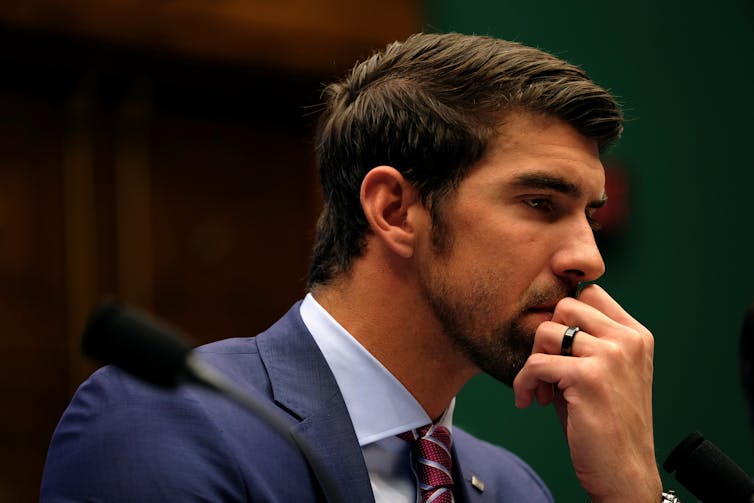
    Olympic gold medalist Michael Phelps has spoken candidly about his struggles with depression. Reuters/James Lawler Duggan

    Experts I spoke with for this story pointed to a couple of reasons professional athletes are particularly susceptible to mental health issues.

    Many “are high-achieving perfectionists,” said David Yukelson, the retired director of sports psychology services for Penn State Athletics and a past president of the Association for Applied Sports Psychology.

    That’s great when it all comes together in victory or a terrific performance, but the toll of perfectionism can be tough when the results don’t match an athlete’s own expectations, Yukelson said.

    Playing sports in the age of anxiety

    The visibility of today’s elite athletes exacerbates the pressure.

    Scott Goldman, president-elect of the Association for Applied Sport Psychology, told me it’s hard for fans to understand what it’s like to constantly be in the spotlight. He recalled watching a pro football player prepare to run onto the field and wonder aloud whether anyone else in the building had people howling at them when they went to work.

    Add social media to the mix, and all the armchair experts that brings to any sports discussion. Earlier this year, NBA Commissioner Adam Silver told the MIT Sloan Sports Analytics Conference: “We are living in a time of anxiety. I think it’s a direct result of social media. A lot of players are unhappy.”

    The NBA has responded to the problem with a series of initiatives designed to help players cultivate mental wellness. Beyond compassion, the efforts make business sense: Happier players lead to better-performing players, which leads to more wins.

    File 20190628 94712 T0zp36.jpg?ixlib=rb 4.1
    Under the leadership of commissioner Adam Silver, the NBA has prioritized mental health awareness. Reuters/Jeremy Brevard-USA Today Sports

    Attention to mental health issues in sports also seems to be on the uptick in the United Kingdom, said Professor Matthew Smith, a historian at the University of Strathclyde in Glasgow. Smith, whose research focuses on medicine and mental health, has been tracking sports-mental health articles on the BBC for the last couple of years and noted the count recently topped 100 stories.

    He highlighted the suicide of Wales national men’s soccer team manager Gary Speed in 2011 as a watershed moment that catalyzed the country’s awareness and that still makes headlines.

    Fast forward to this May, when England’s Football Association revealed a campaign to show that “mental fitness is just as important as physical fitness,” with Prince William making the public announcement.

    Takeaways for athletes and fans

    Back in the United States, some wonder whether athletes are opening up about mental health issues because rates of such problems are rising among young adults, or if it’s simply become more acceptable to talk about the issue.

    Yukelson said times certainly have changed from the 20th century, when athletes were expected to absorb every setback and insult on their own. There’s more support now. The Association for Applied Sport Psychology, a group for sport psychology consultants and professionals who work with athletes, coaches and nonsport performers, was founded only in 1985. It now has 2,200 members worldwide, according to Emily Schoenbaechler, the group’s certification and communications manager.

    Goldman, meanwhile, compared the situation to not knowing you have a cockroach problem until you turn on a light. In other words, drawing attention to an issue makes more people aware it exists.

    But it’s also true that nearly one in five American adults has a mental illness, according to the National Institute of Mental Health. That’s more than 46 million people.

    Both Goldman and Yukelson noted that only good things can come from athletes opening up about the issue. The more athletes talk, the more fans might feel inspired to seek help on their own.

    The National Alliance on Mental Illness lists talking openly about mental health as the first way to reduce stigma. And an early advocate for speaking out about players’ mental health, Metta World Peace – who changed his name from Ron Artest in 2011 – notes that when he first talked about his struggles, the media thought he was “crazy.” Now the default is to call for getting the athlete some help, he says.

    It all points to changing attitudes in sports – and society.

    Or as Phelps put it in a recent tweet, “getting help is a sign of strength, not weakness.”

  • Why more school counselors and psychologists alone won’t solve America’s mental health crisis among students by Joni Williams Splett

    Why more school counselors and psychologists alone won’t solve America’s mental health crisis among students by Joni Williams Splett

    Author

    1. Joni Williams Splett, Associate Professor of School Psychology, University of Florida

    Of all the challenges that threaten the well-being of America’s schoolchildren, one of the most serious and severe is the lack of school counselors and school psychologists. Despite the increased demand for their services, there’s simply not enough professionals in these fields to go around.

    For instance, the American School Counselor Association recommends that there be one school counselor for every 250 students. However, in the 2021-22 school year – the most recent year for which data are available – the ratio of school counselors to students was one for every 408 students.

    Similarly, the National Association of School Psychologists recommends one school psychologist for every 500 students. But the ratio of school psychologists to students stands at just one for every 1,127 students.

    The Biden administration is well aware of the shortage and has taken action to close the gap.

    For instance, in 2021, U.S. Surgeon General Vivek H. Murthy issued an advisory that calls for, among other things, expanding the mental health workforce in schools by using federal, state and local funds.

    President Joe Biden released a Mental Health Strategy in 2022 that seeks to provide mental health care to more children. And in May 2023, the Biden administration announced US$286 million for 264 grantees to train and hire school mental health professionals – a move that grantees say will enable them to prepare more than 14,000 new mental health professionals for America’s schools. That’s a significant number, but schools would need to hire more than five times that amount to meet recommended ratios.

    Read news based on evidence, not tweets or TikToks

    This site is protected by reCAPTCHA and the Google Privacy Policy and Terms of Service apply.

    As a professor of school psychology – and as a recipient of one of those grants – I also know that as important as it is to train more school counselors and school psychologists, increasing their numbers alone is not enough to change the course of the rising mental health needs among America’s children and youth. That is, doubling staffing of mental health professionals in schools doesn’t guarantee they will be used effectively or appropriately. Without accompanying changes to school systems and priorities, I fear the mental health needs among our youth will continue to accelerate, as it did during the pandemic.

    To address this challenge, I see three areas where schools need to revamp the way they meet students’ mental health needs.

    1. Free up school counselors and school psychologists

    A girl sits on a bench in a coatroom in a school as an school worker listens to her.
    One-on-one time with school counselors and psychologists can be hard to come by in schools with high student-to-counselor ratios. 10’000 Hours

    Research, including my own, shows that school-based mental health professionals are overwhelmed with job duties that are outside the scope of supporting students’ mental health. For instance, school counselors also serve as the testing coordinators in most schools.

    School psychologists report being overloaded with evaluations to determine if students are eligible for special education services. About one-third of those responding to a recent membership survey of the National Association of School Psychologists indicated they don’t provide mental health interventions and services at all.

    These school counselors and school psychologists report that about 25% to 50% of their day is consumed with paperwork and other miscellaneous duties. Constantly working outside their areas of expertise and desired practice is leading to burnout that leads many to leave the field.

    To alleviate the situation, schools could search for ways to shift tasks that don’t require specialized knowledge, such as test coordination and certain types of paper work, to staff with less extensive and expensive training.

    This would allow current school mental health practitioners – and the additional 14,000 the Biden administration hopes to bring into the field – to engage in the wider range of services their students need. This could be a way to better align their practice with the recommendations of their professional associations and potentially lead to more job satisfaction and less burnout.

    2. Make time for mental health in schools

    In my work with school districts across the Southeast, mental health professionals are being hired but then restricted to working with kids only during the student’s lunchtime or certain classes, such as art, music or physical education. Although I don’t advocate for children missing class, I also don’t think it’s a good idea for children to work on self-regulation strategies or investigate negative belief patterns while eating a hot dog or missing their favorite extracurricular. It also limits the number of students any one professional can support during a school day.

    Some schools around the world have extended the school day. Some in the U.S. have moved to a year-round schedule with positive effects, such as improved achievement scores for students from low-income and minority backgrounds. Perhaps by rethinking the school day and the school year, more school time could be made for mental health professionals to take a holistic approach to all the areas a child may need instruction and support.

    3. Prioritize prevention

    Prioritizing prevention includes promoting a positive school climate and teaching healthy habits for maintaining one’s mental well-being to all youth. A positive school climate – including social, emotional and physical safety, respectful behavior, an emphasis on learning, and social connectedness with peers and teachers – is shown to reduce risky behaviors and aggression. It also increases positive mental health outcomes and academic success.

    Teaching life skills, like being aware of one’s own and other people’s emotions, what’s causing the emotions, how to manage them in healthy ways and where to seek help, has also been shown to prevent the development and escalation of mental illness among children and youth.

    There are evidence-based curricula that schools can use to teach and reinforce these skills. For example, Positive Action is designed to teach pre-K-to-12th grade students how their thoughts, feelings and behaviors are related. It is taught in classrooms by teachers for about 15 minutes, three to four days each week, for an entire school year.

    There is evidence of large to moderate effects of Positive Action in elementary schools on student mental health, behavior and academic achievement. If these prevention strategies were prioritized in policy and funding, I believe America’s schools and school mental health professionals would be better positioned to more systematically address the unrelenting rise of children’s mental health needs.

    Joni Williams Splett

    Joni Williams Splett, Associate Professor of School Psychology, University of Florida

  • Can Yoga Help Treat Mental Illness? By Holgar Cramer Ph.d

    Can Yoga Help Treat Mental Illness? By Holgar Cramer Ph.d

    yoga mental illness
    Brenkee/Pixabay

    Should you happen to have visited a major city in the past 10 or 20 years, you might have noticed a health trend: yoga. The thousands-year-old Indian spiritual practice made its way into gyms, universities and even religious centres worldwide. New yoga centres seem to pop up weekly, advertising new yoga styles and making new health claims. Interestingly enough, yoga is not just perceived as a recreational activity but mainly as a way to increase and maintain health: national surveys show that about 31 million U.S. adults (more than 13% of the population) have used yoga for health reasons.

    Yoga has been shown in clinical trials to improve pain by stretching muscles and aligning posture, to lower blood pressure by rebalancing the autonomous nervous system and to reduce inflammation by regulating chronic stress. In recent times, yoga is more and more perceived not only as a way to reduce stress and increase physical fitness but also to overcome mental suffering. This should not really come as a surprise: already about 2000 years ago the Indian sage Patanjali, the “grandfather” of modern yoga, defined yoga as the “control of the fluctuations of the mind”. And “fluctuations of the mind”, rumination or uncontrollable thoughts are cardinal symptoms of several mental disorders.

    This potential of yoga to control unwanted mind wandering has hit the big time when Hillary Clinton reported how “alternate nostril breathing”, a classical yogic breathing technique, helped her to heal from her election loss – and from giving up her lifelong dream of becoming president of the USA. However, beyond gossip and anecdotal evidence, there are hard scientific facts and clear mechanisms by which yoga might help with mental symptoms:

    Post-traumatic stress disorder (PTSD) is a major public health problem affecting up to 6% of the world population. PTSD results from substantial traumatic experiences and is thus far more common among veterans, survivors of wars or natural disasters, and victims of violence. The syndrome is characterized by re-experiencing, avoidance and arousal. PTSD is associated with a brain structure called the amygdala which connects the memory of certain experiences with emotions – in the case of PTSD the amygdala is overactivated and thereby constantly produces the aforementioned symptoms.

    By reducing stress, yoga can increase parasympathic activity, this is the relaxation response, and could thereby directly reduce amygdala activity. This seems to be mainly driven by yogic breathing such as alternate nostril breathing. From a psychological viewpoint, PTSD is characterized by the paradox that patients feel anxious about the future although the traumatic event lies in the past. This is mainly driven by an overgeneralization of past experiences and negative appraisal of own actions, negative reactions by other people and life prospects.

    Yoga involves aspects of mindfulness, this is a non-judgmental open attention to and acknowledgment of even unpleasant emotions or memories. This can increase emotion regulation rather than avoidance. The mindful awareness of the transitory nature of one’s momentary physical, sensory, and emotional experience during yoga practice is thought to lead to a change in self-appraisal, thereby reducing PTSD symptoms.

    One great story in your inbox every afternoon

    Try our Substack

    In line with these thoughts and theories, clinical trials have shown that yoga actually can reduce symptoms of PTSD: studies from North and South America and Australia have recruited veterans and other people with traumatic experiences and randomly allocated them to yoga interventions lasting weeks to months or to control groups which were not treated at all or received rather unspecific health counseling. In a meta-analysis of these studies, my colleagues and I demonstrate that those participants who practiced yoga experienced a much stronger and clinically relevant reduction in their symptoms – even if the yoga style was not specifically designed for participants with PTSD.

    Fear and anxiety

    Other studies have targeted anxiety disorders. Anxiety is a normal response to specific situations or events. Without anxiety, mankind would surely not have survived. However, excessive fear or anxiety may be indicative of an anxiety disorder. In generalized anxiety disorder (GAD) for example, elevated levels of anxiety, which are associated with concerns about health, relationships, work, and financial issues, lead to a wide variety of physical symptoms and behavioral changes. In the U.S., more than 4% of the population have been estimated to suffer from GAD alone.

    Excessive anxiety also has implications for long-term health, with somatic symptoms of anxiety, such as palpitations and irregular heartbeat, being associated with an increased risk of cardiovascular disease. Interestingly, treating anxiety is one of the main reasons people give for practicing yoga. Again, mindfulness seems to play a key role here: patients with GAD have been shown to be less “mindful” than the general population, indicating that mindful body work, breathing and meditation can help here – perhaps by “controlling the fluctuations of the mind”? Interestingly, anxiety disorders are more prevalent among patients with breathing disorders such as asthma or chronic obstructive pulmonary disease and breathing retraining has been an essential part of many cognitive behavior therapy approaches for anxiety disorders.

    yoga mental illness
    Yoga therapy in an American military hospital. US Navy/Juan Pinalez

    Not surprisingly, yogic breathing is often seen as the main part of yoga when it comes to treating mental disorders, not the well-known yoga postures. The effects of yoga have been researched for a number of anxiety disorders, including GAD or phobia. We have analyzed these studies in a further meta-analysis. While the results are positive, most studies are quite old and do not fulfil the requirements of modern science, so replications are urgently needed. What yoga clearly does is relieving symptoms of anxiety in healthy individuals – be it diffuse everyday fear, examination anxiety or performance anxiety in musicians.

    It remains unclear whether alternate nostril breathing alone can really ameliorate mental suffering. What is clear is that yoga can help with trauma-related symptoms and anxiety, and that breathing exercises are a main mechanism by which it does so. Needless to say that patients with mental disorders should not try yoga on their own but only after consulting their psychiatrist and psychotherapist. For minor everyday anxiety, simple yogic breathing techniques might be worth a try as a self-care strategy.

    Holger Cramer

    Holger Cramer, PhD, is professor (full) for research in complementary medicine at the University Hospital Tübingen, Germany, and scientific director of the Robert Bosch Center for Integrative Medicine and Health at Bosch Health Campus, Stuttgart.

  • 15 Easy Habits That Support Your Mental Health

    15 Easy Habits That Support Your Mental Health

    Taking care of your mind is just as important as taking care of your body. Unfortunately, you may sometimes forget about your mental health.

    After all, it’s evident if you visit the gym instead of watching TV or eat salmon for dinner rather than fried chicken. How you treat your mind is usually less visible and more difficult to track.

    To stay on top of things, it helps to develop easy habits that fit into your usual routines. That way, smart choices become more automatic. Use these tips to help you get started.

    Taking Care of Yourself

    Slow down

    Multitasking increases your stress levels and can actually damage your brain. When you find yourself rushing around, take a deep breath. Figure out your priorities and eliminate unnecessary commitments.

    Shift your attention

    Do you dwell on disappointment
    ts and overlook the positive events that happen each day? Start a gratitude journal to remind you of the things that you’re thankful for.

    Listen to music

    Your favorite songs can lift your spirits and give you more energy. Put together playlists for working out and doing household chores.

    Spend time outdoors

    Bask in the sunshine. If you’re working at home, bring your laptop out on the patio. Go camping or take a picnic to the beach on weekends.

    Monitor media consumption

    Disturbing news can weigh you down, and comparing yourself to others.


    Reading that book can make you feel like you’re missing out. Search for inspirational content and set limits on screen time.

    Continue learning

    Stimulate your brain. Read books and take online courses. Talk with others about their careers and hobbies. Ask lots of questions.

    Stay active

    Physical exercise benefits your mind and body. Any routine you enjoy will help.

    Rest and relax

    Sleep deprivation and chronic stress can interfere with your mood and cognitive abilities.

    Aim for 8 hours of sleep each night and take refreshing breaks throughout the day. Take time to reflect in solitude or enjoy soothing hobbies.

    Value yourself

    Love and accept yourself for who you are. Treat yourself with kindness and compassion.

    Build your confidence by setting goals and working towards them.

    For a quick assessment of your mental well-being, check out the TheraConnect Mental Health Quiz.

    Connecting with Others:

    Mental health support habits

    Show appreciation

    Strengthen your relationships by letting others know that they’re important to you.

    Pay attention to what your friends and loved ones have to say.

    Remember their birthdays and send gifts and cards for no special occasion.

    Gather together

    Online communications work well as a supplement rather than a substitute for face-to-face interactions.

    Socialize offline with family dinners and standing dates with friends.

    Practice forgiveness

    Let go of grudges and resentments. Encourage reconciliation and healing.

    Share a laugh

    Humor relieves anxiety and depression and can even serve as a natural painkiller. Tell funny stories about your personal life and pass along your favorite video clips starring pets and babies.

    Mental health support habits

    Set boundaries

    Make a conscious decision about how you want others to treat you and what kind of behavior you find acceptable.


    This might include your expectations about privacy, communication, physical boundaries, and so on.

    Then clearly let others know your wishes.

    Give generously

    You’ll feel a warm glow when you help someone in need.

    Some research suggests that the mental health benefits are most substantial when you know the recipient. Donate to charities and remember your loved ones, too.

    Develop your own mental health routines based on your personal needs and preferences. Nurturing your mind will help you enjoy a happier, more meaningful life.

  • Stress and Being Overwhelmed: Solutions for Relief

    Stress and Being Overwhelmed: Solutions for Relief

    Stress is an unavoidable aspect of existence, a natural reaction of our bodies and minds when encountering challenges or threats. It represents how we respond to stressors, ranging from daily tasks such as a demanding job and family pressures to significant life events like the loss of a loved one or receiving a new diagnosis.

    Experiencing stress triggers the “fight or flight” response, a sophisticated physiological process led by the hypothalamic-pituitary-adrenal (HPA) axis. This response releases stress hormones like cortisol, adrenaline, and noradrenaline, preparing your body to act swiftly by elevating your heart rate, accelerating your breathing, and tensing your muscles.

    In the short term, this stress response can be advantageous, aiding you in handling immediate threats and challenges.

    However, when stress becomes chronic, it can severely affect your mental and physical health. Chronic stress may cause issues such as anxiety, depression, headaches, sleep disturbances, and cardiovascular diseases, including high blood pressure and heart disease. It can also weaken your immune system, affect digestive health, and compromise your overall well-being, highlighting the importance of effective stress management.

    Feeling overwhelmed by stress is more common than many believe. The American Psychological Association notes that a significant portion of individuals report experiencing at least one symptom of stress monthly. In our fast-moving world, filled with continuous and overwhelming stressors, it’s vital to develop techniques for managing stress.

    This article aims to help you identify the sources and symptoms of stress, offer practical strategies for stress management, and suggest ways to build a resilient mindset, empowering you to take control of your life and health.

    Identifying Sources and Symptoms of Stress

    Stress and being Overwhelmed

    Common Causes of Stress

    Stress can arise from a wide array of sources, and understanding these can be essential in managing and mitigating its effects. One of the most prevalent causes of stress is related to employment. This includes being unhappy in your job, having a heavy workload or too much responsibility, working long hours, and dealing with poor management or unclear expectations.

    Financial stress is another significant factor, with concerns about money, retirement savings, college tuition, and housing costs being common stressors for many people. According to the American Psychological Association, 72% of adults reported being stressed about money.

    Personal and family-related issues also play a substantial role. These can include relationship problems, whether romantic or platonic, bereavement, illness or injury, and even significant life changes such as moving home, getting married, or becoming a parent. Events like divorce, job loss, and health scares can also be major stressors.

    Social and environmental factors should not be overlooked. Living through stressful community-wide, national, or global events, experiencing discrimination or abuse, and dealing with everyday tasks like household chores or commuting in heavy traffic can all contribute to stress levels.

    Physical and Emotional Symptoms

    The symptoms of stress can manifest in both physical and emotional ways. Physically, chronic stress can lead to headaches, trouble sleeping or oversleeping, muscle pain or tension, digestive issues, and changes in sex drive. It can also result in high blood pressure, which is a significant risk factor for cardiovascular diseases like coronary heart disease.

    Emotionally, stress can cause a range of symptoms including moodiness, anxiety, restlessness, lack of motivation, irritability, and feelings of sadness or depression. People under chronic stress may experience panic attacks, constant worrying, and a general feeling of being under constant pressure. These emotional symptoms can often lead to behaviors such as overeating, smoking, or substance abuse as coping mechanisms.

    Additionally, stress can affect your daily functioning, leading to withdrawal from family and friends, and impacting your ability to perform tasks effectively. Recognizing these symptoms is important because if left unchecked, they can escalate into more severe mental health issues such as post-traumatic stress disorder (PTSD) or other anxiety disorders.

    Stress and being Overwhelmed

    Practical Strategies for Stress Management

    Time Management Techniques

    Effective time management is an important strategy for reducing stress. When you feel overwhelmed by multiple tasks and deadlines, it can exacerbate your stress levels. To manage your time better, start by prioritizing your tasks.

    Create to-do lists and set clear goals for what needs to be accomplished. Focus on the most important tasks first and break them down into manageable chunks.

    This approach helps you regain control over your schedule and reduces the feeling of being overwhelmed. Another key aspect of time management is learning to say “no” to requests that would create excessive stress in your life. Set limits appropriately and delegate tasks when possible.

    Using time management tools and apps can also help you organize your calendar, to-do lists, and tasks more efficiently. Additionally, adopting a “work smarter, not harder” approach can be beneficial. This involves prioritizing your work, concentrating on the tasks that will make a real difference, and leaving less important tasks to last.

    Accept that you cannot do everything, and it’s okay to focus on what is truly essential.

    Mindfulness and Relaxation Practices

    Mindfulness and relaxation practices are powerful tools for managing stress. Guided meditation, for example, can help you find centered relaxation and distract you from the stresses of daily life. There are numerous guided meditations available online that can guide you through even just a few minutes of relaxation.

    Deep breathing techniques are also highly effective. Deep breathing can reduce the activation of your sympathetic nervous system, which is responsible for the “fight or flight” response. Techniques such as inhaling for a count of five seconds, holding for two seconds, and exhaling for a count of five seconds can help activate your parasympathetic nervous system, promoting rest and relaxation.

    Other relaxation techniques include progressive muscle relaxation, yoga, and engaging in hobbies like painting, reading, or listening to music. These activities can provide a sense of calm and rejuvenation, even if practiced for just a few minutes a day.

    Seeking Professional Help

    Sometimes, despite your best efforts, stress can become too much to handle alone. Seeking professional help is a sign of strength, not weakness. Talking to a therapist or counselor can provide invaluable emotional relief and help you develop healthier coping mechanisms.

    Cognitive behavioral therapy (CBT), for instance, can help you change negative thought patterns and manage stress more effectively. In addition to individual therapy, group therapy and support groups can offer a sense of community and shared understanding. Many universities and workplaces also provide mental health resources, such as counseling services, that can be extremely beneficial.

    For those who prefer more structured approaches, biofeedback therapy can be an option. Biofeedback involves using sensors to monitor your body’s response to stress and teaching you how to control these responses through relaxation techniques.

    Cultivating a Resilient Mindset

    Building Emotional Strength

    Stress and being Overwhelmed

    Building emotional strength is a cornerstone of cultivating a resilient mindset. This involves several key strategies that help you navigate life’s challenges more effectively. One of the most important aspects is acknowledging and accepting your emotions. Rather than suppressing or hiding your feelings, it is essential to recognize and understand them.

    This process, often referred to as “feel, don’t hide,” allows you to confront your emotions head-on and release them in a healthy manner, preventing the buildup of chronic stress, anxiety, or depression.

    Practicing mindfulness is another powerful tool for building emotional strength. Mindfulness techniques such as deep breathing and meditation help you remain grounded and focused on the present moment, reducing the impact of external stressors. These practices soothe the amygdala, leading to a decrease in cortisol levels and a subsequent reduction in stress.

    By centering yourself in the moment, you enhance your ability to manage negative emotions and think more clearly, thereby building your resilience against future adversities.

    Cognitive Behavioral Therapy (CBT) is also highly effective in building emotional strength. CBT involves identifying negative thought patterns and actively working to replace them with more constructive beliefs. For example, reframing a thought from “I can’t handle this” to “I can cope with this challenge by breaking it down into smaller tasks” can significantly improve your ability to navigate life’s ups and downs more effectively.

    Additionally, maintaining a positive outlook is vital. Practicing gratitude and identifying the silver lining in difficult situations can shift your focus from what’s wrong to what’s right in your life. This optimism helps foster an environment where resilience thrives, making it easier to navigate through adversity.

    Maintaining Healthy Relationships

    Maintaining healthy relationships is another critical component of cultivating a resilient mindset. Having a supportive network of family, friends, work colleagues, and community members can provide a sense of belonging and self-worth.

    These relationships act as a buffer against stress, making you more resistant to its negative effects. Research has shown that strong social connections can help you cope better with life’s challenges and reduce the risk of mental health conditions such as anxiety and depression.

    Community support is essential for building resilience. Being part of a community or support group can provide emotional support, practical help, and a sense of connection.

    This support system can help you feel less isolated and more empowered to face challenges. Moreover, having people who believe in you and your abilities can boost your self-confidence and motivation to overcome obstacles.

    Finally, self-compassion plays a significant role in maintaining healthy relationships and building resilience. Treating yourself with kindness, especially during setbacks, helps create a stronger emotional buffer. Self-compassion involves acknowledging your suffering, flaws, and mistakes, and choosing to love yourself regardless.

    This practice enhances your ability to return to a state of balance and well-being after facing adversity.

    Conclusion: Taking Control of Your Stress

    In conclusion, managing stress is a multifaceted process that requires a combination of understanding, strategy, and action. By identifying the sources and symptoms of stress, you can take the first steps towards mitigating its effects.

    Implementing time management techniques, practicing mindfulness and relaxation, and seeking professional help when needed are all essential strategies for maintaining your mental and physical health. Building emotional strength and maintaining healthy relationships further enhances your resilience against stress. Remember, taking control of your stress is not a one-time achievement but an ongoing process.

    By integrating these strategies into your daily life, you can reduce the negative impacts of stress and improve your overall well-being. Take the first step today, and commit to a healthier, more balanced life.


    If you want to understand how we protect your information, please see our privacy policy. You can review our team’s qualifications, discover if our services are right for you with our quiz, read client testimonials, or get answers to common questions in our FAQ.