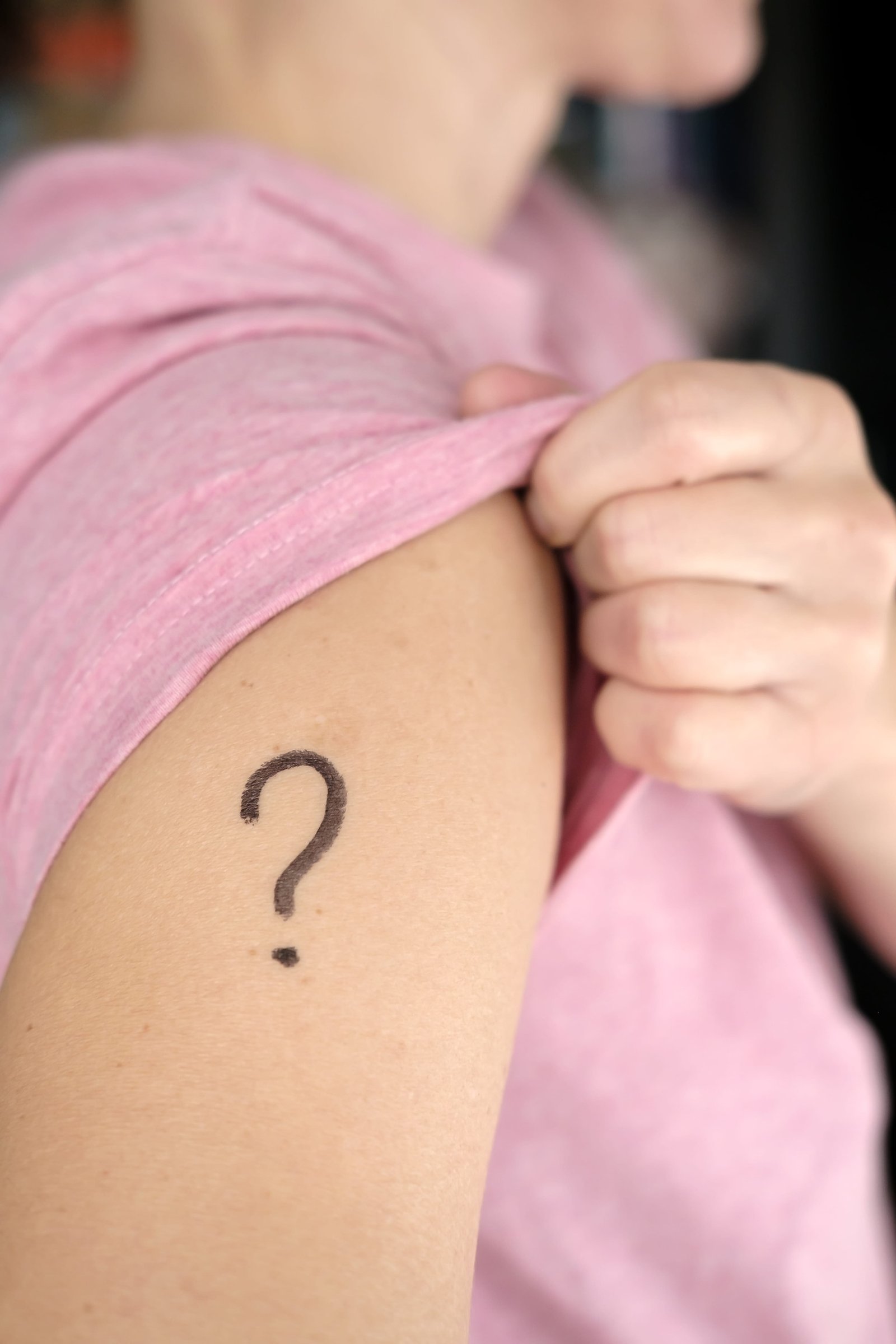
A tattoo can hold a story that words never quite reach. For people living with anxiety, depression, bipolar disorder, grief, or the long shadow of trauma, a few inches of ink can become a permanent record of survival. Mental health awareness tattoos are not a trend so much as a language: a way to mark a turning point, carry a reminder on your own skin, and decide for yourself when and how to share what you have been through. Some people choose them quietly, for no audience at all. Others use them as an opening to talk about recovery with family, friends, or even strangers.
Why People Choose Mental Health Awareness Tattoos
The reasons behind these tattoos are as varied as the people who get them. Many are looking for something that cannot be misplaced, deleted, or forgotten in a drawer, and a tattoo offers exactly that kind of permanence. Others want a visible counterweight to the shame that often surrounds mental illness. Still others mark an anniversary, a discharge from treatment, or simply a day they decided to keep going.
Common motivations include:
- Marking a milestone in recovery or treatment
- Honoring someone lost to suicide or mental illness
- Reducing stigma by making mental health visible and discussable
- Creating a personal reminder to use coping skills during hard moments
- Reclaiming a body or a story that once felt out of your control
There is no single right reason. A tattoo does not have to represent a finished journey, and it does not have to be triumphant. Some designs are quiet and private. Some are loud on purpose. The meaning belongs to the person wearing it.
Symbols That Carry Meaning
Certain images appear again and again in collections of mental health tattoo ideas. Knowing what these symbols commonly represent can help you decide whether one feels true to your own experience, or whether you would rather build something entirely original.
The Semicolon
The semicolon is one of the most recognizable designs in this space. In grammar, a semicolon marks a pause where a sentence could have ended but the writer chose to continue. That is exactly the meaning it carries as a tattoo: your story is not over. Semicolon tattoos are widely associated with suicide awareness and with the idea that a person who has survived a dark chapter still has more to write. They are often small, placed somewhere visible like the wrist or forearm, and used as a conversation starter rather than a private mark.
The Mental Health Awareness Ribbon
Ribbons have long been used to signal solidarity with a cause, and mental health awareness has its own. Awareness ribbon designs appear frequently in mental health tattoo roundups, sometimes rendered in a single color, sometimes woven into a larger piece with flowers, text, or dates that matter to the wearer. A ribbon tattoo works well for people who want their support for the broader mental health community to be immediately legible to anyone who sees it.
Lotus Flower and Butterfly Designs
The lotus flower and the butterfly are two of the most frequently suggested designs. A lotus is often read as growth that rises out of difficult conditions, while a butterfly suggests transformation and change. Both can be drawn in almost any style, from fine line work to bold traditional shading, which makes them flexible for people who want something subtle. Butterfly designs are also specifically paired with bipolar awareness in some symbol collections, so a butterfly can carry a personal diagnosis meaning in addition to its more general symbolism.
Anchor, Broken Chain, and Celtic Strength Symbols
An anchor represents steadiness and staying grounded when things feel unstable. A broken chain suggests liberation from a cycle, an addiction, an abusive relationship, or a pattern of thinking that once held you in place. Celtic symbols for strength appear in mental health symbol collections as well, often chosen by people with Celtic heritage who want a design that ties their recovery to their family background. Each of these works as a standalone piece or as part of a larger composition.
Seated Meditator, Breathe, and Serotonin
A seated meditator figure speaks to mindfulness and the practice of sitting with difficult feelings instead of running from them. The single word Breathe appears in nearly every roundup of mental health tattoo ideas, and it functions as an instruction you can follow the moment you look down at it. Serotonin tattoos, which depict the chemical structure of the neurotransmitter, are another frequent choice, often used by people in recovery to represent brain chemistry, medication, or the biology behind mood. Some designs combine a word, a molecule, and a symbol into one integrated piece.
Words, Quotes, and Personal Scripts
Text tattoos are popular for a reason: nothing else says precisely what you mean. A short phrase like Breathe or a single word can be more powerful than an elaborate illustration, and it is easier to place in a small area. Quotes and short lines of text are consistently listed among the most common mental health tattoo ideas, alongside the pictorial symbols.
If you go this route, keep a few practical things in mind. Very small lettering can blur over time, so ask your artist whether your chosen wording will still be readable at the size you want and in the placement you have chosen. Bring the exact spelling, capitalization, punctuation, and line breaks you want, written out, rather than trusting memory in the chair. If the phrase comes from a song, a book, or something a therapist said to you, you might decide that context is part of the meaning, or that the words alone are enough for you.
Choosing Placement and Size
Placement changes how a tattoo functions in daily life. A design on the inner forearm, wrist, or hand is easy to see and easy to show, which suits people who want a reminder they can glance at during a difficult moment. A piece on the ribs, back, thigh, or ankle stays more private and can be revealed on your own terms. Behind the ear and along the collarbone sit somewhere in between.
Think about the environments you spend time in and how much visibility feels comfortable, since some workplaces and family situations make visible tattoos complicated. Also consider how the design will age on different parts of the body, and ask your artist for an honest opinion about how your chosen placement will hold detail over the years. Many people start with something small and expand it later, which is easier to do when the original piece has clear edges and room around it.
Designing Something You Will Still Love Years Later
A tattoo is a long commitment, and the meaning behind a mental health design can shift as your recovery does. That is not necessarily a problem. A symbol that once represented survival can later represent stability, or simply a period of your life you are glad you lived through.
A few ways to protect against regret:
- Sit with the idea for a while before booking, especially after an emotionally intense period
- Bring reference images and describe the feeling you want, not just the object
- Ask the artist to sketch it first so you can see it before the needle comes out
- Confirm what a design will look like at the size you actually want, not just on paper
- Follow the aftercare instructions your artist gives you, since healing affects the final result
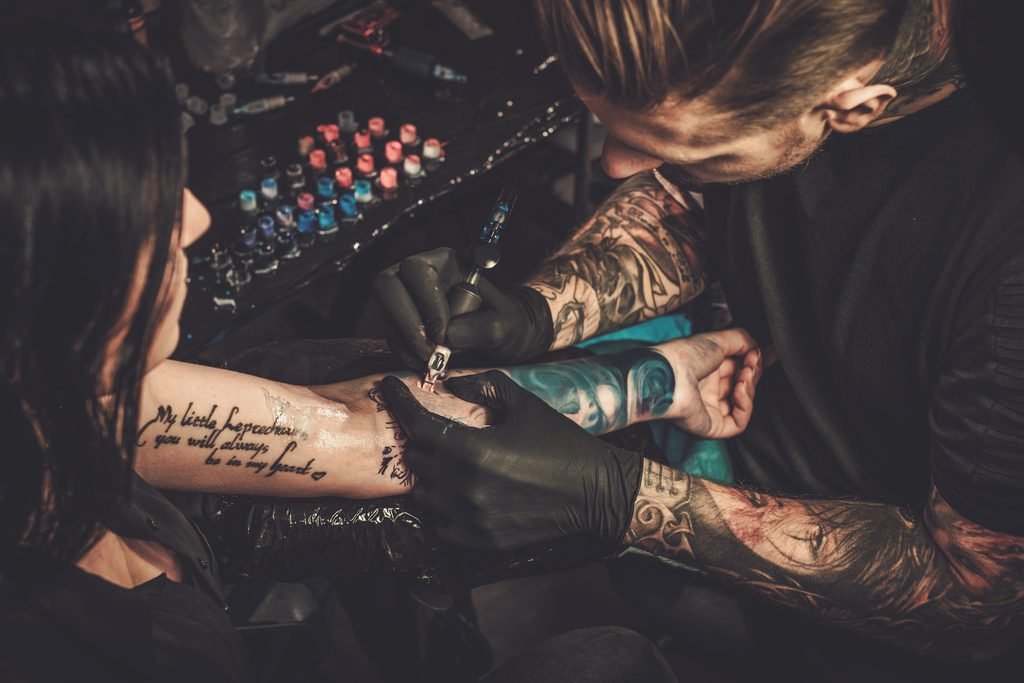
Choose an artist whose portfolio matches the style you want, and do not rush the consultation. A good artist will tell you when an idea will not work at a given size, and will offer alternatives rather than talk you into something you did not ask for.
Sharing Your Tattoo With Others
One of the unexpected benefits of a visible mental health tattoo is conversation. Many people find that explaining the meaning of their tattoo becomes a powerful way to connect with others and raise awareness about mental health. A friend might recognize the semicolon. A coworker might ask about the lotus. That moment of curiosity can open a door that small talk usually keeps closed.
You are never obligated to explain, of course. Having a prepared short answer can help when you want to share without going into detail, and having a firm boundary ready can help when you do not. Something as simple as naming the symbol and moving on is a complete answer. The tattoo is yours, and so is the decision about how much of the story goes with it.
Tattoos Are One Piece of a Larger Toolkit
A tattoo can be a meaningful reminder, but it is not treatment. If you are in a difficult season, ink on your skin will not replace support from people trained to help. Think of a mental health tattoo as a companion to care rather than a substitute for it, sitting alongside therapy, medication, community, movement, and whatever else keeps you steady.
If you are looking for a therapist, an online directory can be a low-pressure place to start. TheraConnect is free for clients and connects people across the United States with licensed mental health providers, searchable by location, specialty, and session format. Listings include verified licenses, sliding scale options, and telehealth availability, so you can filter for what actually fits your life. Take the first step at your own pace, whether that means booking a consultation today or simply saving a few profiles for later.
Frequently Asked Questions
What tattoo symbolizes mental health?
There is no single official symbol. The most frequently referenced designs include the semicolon, the mental health awareness ribbon, the lotus flower, the butterfly, the anchor, the broken chain, the seated meditator, the word Breathe, and the serotonin molecule. Any of these can represent mental health, and many people combine several into one personal piece that reflects their own experience rather than a general cause.
What does a semicolon tattoo mean?
A semicolon tattoo is most closely associated with suicide awareness. It borrows from grammar, where a semicolon marks a pause instead of an ending, and applies that idea to a life: the story is not over. People choose it to mark survival, to honor someone they lost, or to remind themselves that a difficult chapter was not the final one.
Do I need to be in recovery to get a mental health tattoo?
No. These tattoos are personal markers, not credentials. Some people get one at the start of treatment, some get one years into recovery, and some get one simply because a symbol resonates with them. There is no required milestone, diagnosis, or timeline. What matters is that the design means something to you and that you are comfortable living with it.
How do I talk about my tattoo if someone asks?
You get to decide how much to share. Many people keep a short, prepared sentence ready for casual questions, such as naming the symbol and saying it represents their mental health journey. If you would rather not discuss it, a brief answer like “it is personal” is complete and does not need further explanation. Sharing can build connection, but it is always optional.
Your Expertise Deserves to Be Found.
People are searching for support. Make it easier for them to discover you.
Leave a Reply