
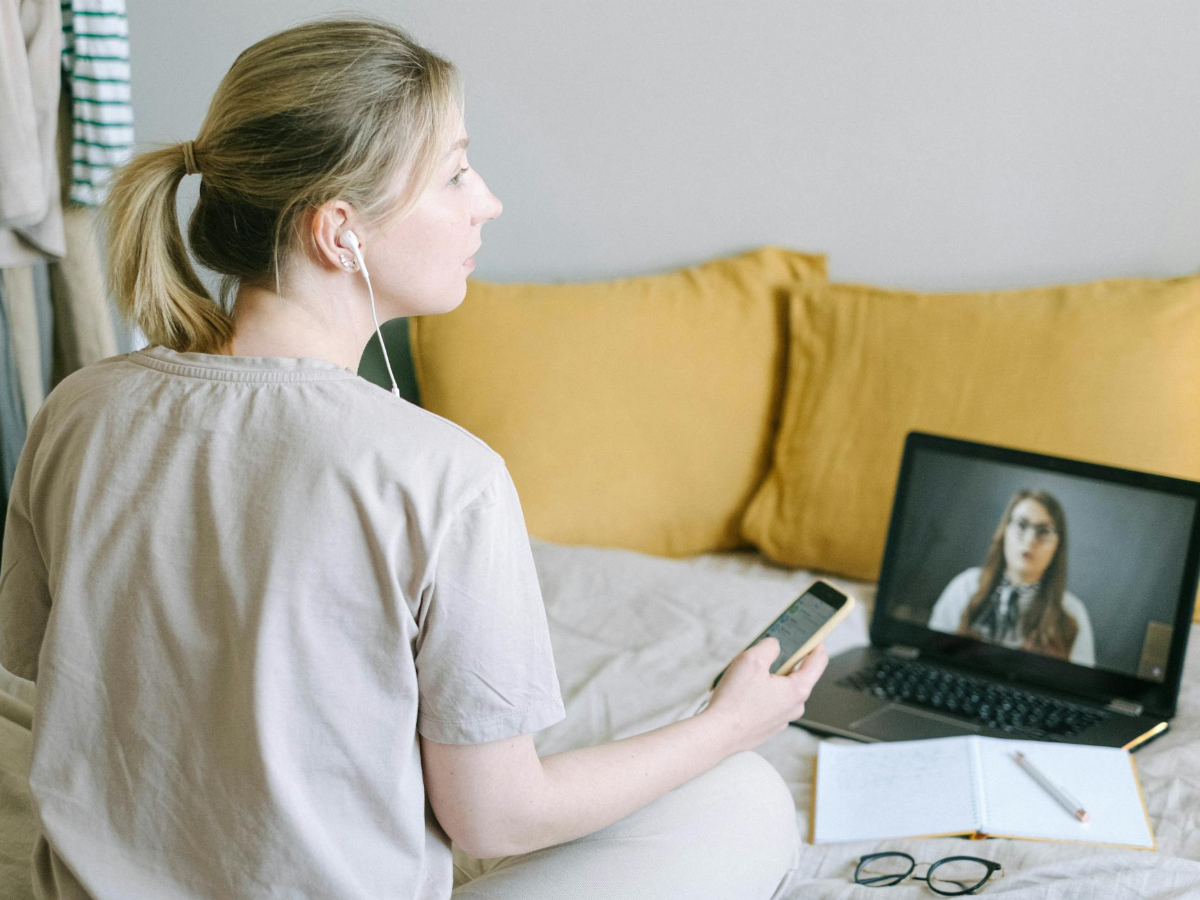
Your therapist logs on, asks how you’re doing, and suddenly your mind goes blank while your dog barks and your phone lights up. That moment is exactly why many people look up how to prepare for teletherapy before their first session. A little setup can make online therapy feel less awkward, more private, and much more useful from the start.
Teletherapy is convenient, but convenience can make it easy to treat a session like any other video call. Therapy usually works better when you give it a little structure. You do not need a perfect room, a perfect mood, or a perfect plan. You just need a setup that helps you show up honestly and stay present.
How to prepare for teletherapy before your first session
The best place to start is with your space. Privacy matters, not because you need to hide therapy, but because most people speak more freely when they know they will not be overheard. If possible, choose a room with a door you can close. If that is not realistic, you can still make it work with a white noise machine, a fan, headphones, or even a parked car in a safe location.
Comfort matters too, but there is a balance. You want to feel at ease without getting so relaxed that you drift out of the conversation. Sitting upright in a chair often works better than lying in bed. Keep water nearby. If you like grounding objects, bring a blanket, stress ball, notebook, or tissue box into reach so you are not scrambling mid-session.
Your internet and device setup deserve a quick check. Charge your phone or laptop ahead of time, test your camera and microphone, and sign in a few minutes early if the platform is new to you. Teletherapy does not require fancy equipment, but avoid preventable stress when you can. If your Wi-Fi is unreliable, tell your therapist at the start and have a backup plan, such as switching to audio.
Lighting and camera angle can help more than people expect. Good lighting lets your therapist read facial expressions, which is part of how connection happens online. Try to place your device at eye level rather than looking down into your lap. This is not about looking polished. It is about making the interaction feel more natural.
Decide what you want from therapy right now
You do not need a life mission statement before session one. Still, it helps to spend a few minutes thinking about why you booked the appointment now. Maybe your anxiety has been harder to manage, your relationship feels strained, your sleep is off, or you are simply tired of carrying too much alone. That starting point is enough.
If words are hard to find in the moment, jot down a few notes beforehand. You might write what has been bothering you, how long it has been going on, what you have already tried, and what you hope will feel different a month from now. Some people also like to note any medications, diagnoses, big life changes, or previous therapy experiences.
Try not to put pressure on yourself to present your story neatly. Therapy is not an audition, and your therapist is not grading how clearly you explain your pain. It is okay if your thoughts are scattered. It is okay if you cry, freeze, laugh nervously, or say, “I don’t know where to start.” That is often a very real place to start.
A small note on expectations
Online therapy can be deeply effective, but it may feel different from in-person care at first. Some people adjust immediately. Others need a few sessions to stop noticing the screen. If your first appointment feels a little stiff, that does not automatically mean teletherapy is not for you. Sometimes it simply means you are doing something new.
Handle the practical details early
One of the easiest ways to protect your time in session is to take care of logistics before the appointment begins. Fill out forms in advance if you can. Know your appointment time, payment details, and how to access the session room. If you are using insurance or a lower-cost option, make sure you understand any fees so money questions do not catch you off guard.
This is also the time to think through timing on your end. Try not to schedule a therapy session in the narrow gap between two stressful obligations if you can avoid it. Give yourself a little buffer before and after. Even ten minutes can help you settle in beforehand and decompress afterward.
If you live with others, let them know you need uninterrupted time. You do not have to explain more than you want to. A simple “I have an appointment and need privacy from 3 to 4” is enough. Boundaries do not have to be dramatic to be effective.
What to talk about in your first teletherapy session
Many first sessions cover background information, current concerns, and what you want from therapy. Your therapist may ask about symptoms, stressors, relationships, work, sleep, family history, and safety. That can feel like a lot, especially if you are not used to talking about personal things with someone new.
You are allowed to be honest about your uncertainty. If you are nervous, say so. If you are not sure what kind of help you need, say that too. A good therapist does not expect you to arrive with the right language already prepared. Their job is to help you make sense of what feels tangled.
It can also help to ask questions of your own. You might want to know how they approach treatment, what sessions usually look like, how goals are set, or what to do if you feel stuck. Therapy is personal, and fit matters. Feeling comfortable may take time, but trust tends to grow faster when expectations are clear.
If you are worried about privacy
Worrying about privacy during teletherapy is common. If someone might walk in, if your walls are thin, or if home does not feel fully safe, bring that up in session. Therapists who work online are used to helping clients problem-solve around privacy and communication. That might mean using headphones, switching locations, speaking more indirectly at times, or creating a plan for interruptions.
If your situation makes private video sessions nearly impossible, it does not mean support is out of reach. It may mean you need a different format, a different time of day, or a different kind of care. What matters is finding an approach that is workable for your real life, not an idealized one.
How to prepare emotionally for teletherapy
People often focus on the tech and forget the emotional side. Therapy can stir things up, even when the session goes well. Before you log on, think about one simple way to ground yourself. That could be taking a few slow breaths, stepping outside for a minute, stretching, or repeating a sentence like, “I only need to be honest about what is true today.”
It also helps to plan for aftercare. If possible, avoid jumping straight into something intense right after your appointment. You may feel lighter, tired, emotional, relieved, or unsettled. All of that can be normal. Give yourself a few minutes to drink water, write down a thought from session, or sit quietly before returning to the rest of your day.
Some people worry they need to be in crisis for therapy to be worth it. You do not. Teletherapy can help with everyday stress, grief, anxiety, depression, life transitions, relationship strain, and the vague sense that something feels off. Early support often makes a difference because you are not waiting for things to get unbearable before reaching out.
Keep the goal simple: show up as you are
The most useful mindset for a first session is not “I need to do this right.” It is “I am allowed to begin.” If your connection glitches, if you feel awkward, if you ramble, if you need a minute to collect yourself, none of that means you failed. It means you are human and starting something that asks for honesty.
At TheraConnect, that is why thoughtful matching and accessible care matter. When therapy feels easier to start, people are more likely to get the support they need without adding more stress to the process.
If you have been waiting until you feel completely ready, this may help: readiness is often much quieter than confidence. It can look like charging your laptop, closing the door, taking a breath, and letting the conversation begin.
Your Expertise Deserves to Be Found.
People are searching for support. Make it easier for them to discover you.
Leave a Reply