
June is Men’s Mental Health Awareness Month, and it runs alongside National Men’s Health Month, which many workplaces, clinics, and community groups already recognize. The two share a straightforward purpose: make it easier for men to say what is going on, and easier for the people around them to hear it without flinching.
Men’s mental health is not a June-only subject. The month works more like a door left open. It gives families, friends, and employers a shared reason to check in, and it gives men an opening to bring up something they may have carried quietly for years.
When Is Men’s Mental Health Awareness Month?
June is the month most commonly tied to men’s mental health awareness. Mental Health America recognizes June as Men’s Mental Health Awareness Month, and June is also observed as Men’s Health Month, with organizations such as NAMI marking awareness events during that period.
Men’s Health Week falls on June 14 to 21, which gives the month a natural midpoint for a workplace lunch-and-learn, a team conversation, or a personal check-in with someone who has gone quiet lately.
You may also see November described as Men’s Health Awareness Month, and some sources connect November messaging with men’s mental health. Because organizations do not all align on the same calendar, it is worth checking a specific organization’s own event page before you plan anything around a particular month.
Why a Month for Men’s Mental Health Exists
Awareness months are not meant to rank one group’s struggles above another’s. They exist to close a specific gap. For men, one of the clearest gaps is willingness to reach out.
Research cited by health systems has found that men tend to be more reluctant than women to seek help or treatment for mental health struggles. That reluctance is not a personality trait men are born with. It is learned, reinforced by expectations about how men are supposed to handle pain, and it can change.
A dedicated month gives people a socially acceptable reason to raise the subject first. For a man who has been waiting for someone else to bring it up, that can make all the difference.
What Keeps the Stigma in Place
Stigma rarely announces itself. It shows up in small, ordinary moments that accumulate over years.
- The assumption that talking about feelings is a sign of weakness.
- The expectation that a man should solve his own problems without help.
- Discomfort from friends or family when a man does open up.
- The fear of being seen differently at work or in a social circle.
- The belief that support is only for people whose problems are serious enough to earn it.
Each of those beliefs makes the next conversation harder. Breaking them usually happens at a smaller scale than people expect. One honest exchange. One friend who does not change the subject. One appointment made without announcing it to anyone.

Signs That May Deserve a Closer Look
Men do not always describe distress as sadness. It can surface as irritability, a shorter fuse, restlessness, or a sense of being flat and disconnected. People close to a struggling man often notice changes before he names them himself:
- Withdrawing from friends, family, or activities he used to enjoy.
- Changes in sleep, appetite, or energy that persist.
- Drinking more, or leaning harder on other substances.
- Trouble concentrating, or feeling behind on everything.
- Talk of hopelessness, or comments about being a burden.
This list is not a diagnostic tool, and it is not a substitute for professional assessment. A licensed provider can help sort out what is actually going on and what would help. If someone is in immediate danger, contact emergency services or a crisis line right away.
How to Start a Conversation With a Man You Care About
The most common worry is saying the wrong thing. In practice, showing up matters more than wording. A few approaches tend to work better than others.
- Pick a low-pressure setting. A drive, a walk, or a shared task often feels easier than a face-to-face sit-down.
- Lead with what you have noticed, not with a diagnosis. “You seem worn down lately” lands better than “I think you’re depressed.”
- Ask one open question and then stay quiet. Silence gives him room to organize his thoughts.
- Skip the fixes. Advice offered too early can sound like proof that he should have handled it alone.
- Be steady if he brushes you off. Leave the door open and check in again later.
- Offer something concrete. Suggesting a specific next step, like helping him look up providers, is easier to accept than a general offer of support.

What Men Can Do for Their Own Mental Health
Waiting for a crisis is not a strategy. Small, repeatable habits do more for mental health than one dramatic overhaul.
Sleep and movement are the foundation, and they are usually the first things to slip when someone is struggling. Regular contact with people who know you well matters too, even when the conversation stays light. Naming what you feel, out loud or in writing, makes it easier to recognize patterns instead of being run by them.
It also helps to separate “I am overwhelmed right now” from “something is wrong with me.” The first is a situation. The second is a story that keeps men from asking for help.
Finding Support That Fits Your Life
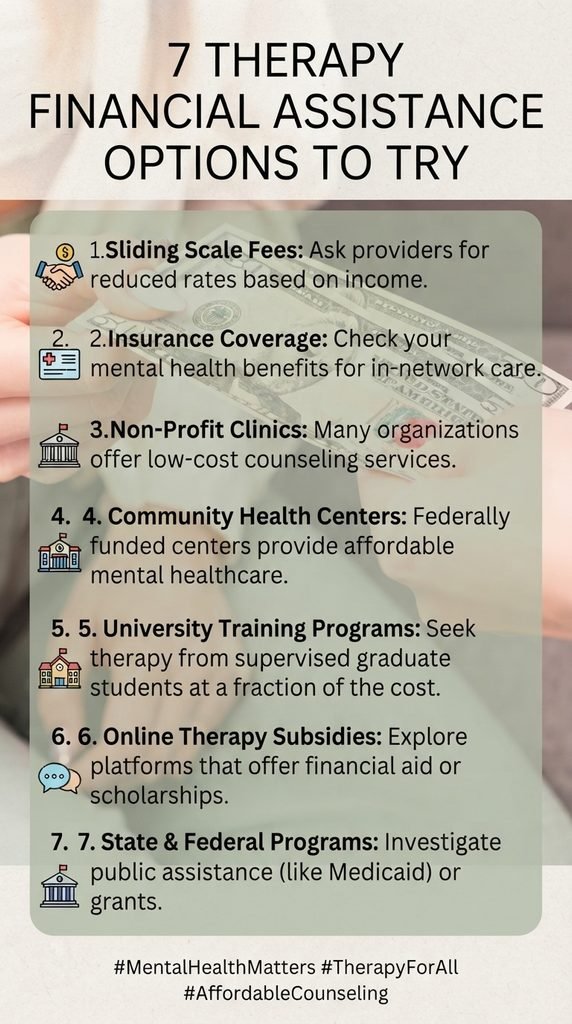
Men often delay therapy because they assume it will be expensive, inconvenient, or a poor fit. Modern options reduce most of those barriers. Many providers now offer telehealth sessions, which remove commute time and make it easier to see someone without explaining your schedule to anyone.
TheraConnect is a free online directory that connects clients with licensed mental health providers across the United States. You can search by location, specialty, and session format, and listings include verified licenses, sliding scale options where available, and telehealth availability. Clients use the directory at no cost. If cost has been the reason you put this off, filtering for sliding scale providers is a reasonable first step rather than a last resort.
If you are in crisis or thinking about harming yourself, contact emergency services or a crisis line immediately. A directory is a tool for ongoing care, not an emergency service.
Ways to Take Part This June
You do not need an official event to participate. Some simple options:
- Check in on one man in your life who has been quieter than usual.
- Share a resource, such as a directory or a local support group, without attaching a lecture to it.
- Ask your workplace whether it plans anything for Men’s Health Week on June 14 to 21.
- Talk about your own experience with therapy or counseling if you have one. Normalizing it does more than statistics.
- Follow up in July. The men who need support in June still need it afterward.

After the Month Ends
Awareness months fade, and the men who were struggling in June are still struggling in August. The lasting value of Men’s Mental Health Awareness Month is not the calendar slot. It is the habit it can start: checking in, listening without rushing to fix, and treating help as something a man uses rather than something he earns. That habit is worth keeping all year.
Frequently Asked Questions
Is Men’s Mental Health Awareness Month in June or November?
June is the month most commonly recognized, with Mental Health America citing June as Men’s Mental Health Awareness Month and June also observed as Men’s Health Month. November is also described by some organizations as Men’s Health Awareness Month, with mental health messaging included. Because calendars differ, verify details with the specific organization hosting an event.
Why is there a men’s mental health month?
Awareness months target specific gaps rather than ranking anyone’s pain. Research cited by health systems shows men tend to be more reluctant than women to seek help or treatment for mental health struggles. A dedicated month creates a shared reason to raise the subject, which can make it easier for men to speak up and for others to start the conversation.
Is men’s mental health overlooked?
There is a real gap in how often men reach out for support, which is one reason awareness campaigns and dedicated events exist. Whether that gap feels overlooked depends on your community and the resources near you. What is clear is that reluctance to seek help is learned and changeable, not fixed.
What are some examples of stigma men face?
Common examples include the belief that talking about feelings is weak, the expectation that a man should fix his own problems alone, discomfort from others when he does open up, and fear of being seen differently at work. These beliefs build up over time and make each next conversation harder, even when support is available.
How do I find a therapist who is a good fit?
Start by filtering for what actually matters to you: location, specialty, session format, and cost. A directory such as TheraConnect lets you search by those criteria and see verified licenses, telehealth availability, and sliding scale options. If the first provider is not a fit, trying another is normal and not a failure.