
Jacek DebiecAssistant Professor / Department of Psychiatry; Assistant Research Professor / Molecular & Behavioral Neuroscience Institute, University of Michigan
Americans are becoming more anxious about their safety, health, finances, politics and relationships, a new online poll from the American Psychiatric Association finds. Compared to the results of a similar poll a year earlier, 39 percent of adults in the U.S. are more anxious today than they were a year ago.
As a psychiatrist and neuroscientist, I believe studies and polls like these help to identify individual and group vulnerabilities. They may provide clues for providing better clinical practice, implementing more effective public policies, and designing research projects that yield a better understanding of the causes of anxiety and better treatments.
Although anxiety is rising across all age groups and demographic categories, there are notable distinctions between certain groups.
For example, millennials are more anxious (especially about finances) than Gen-Xers or baby boomers – though boomers’ overall anxiety increased more than the other age groups. Women reported a greater increase in overall anxiety in all dimensions than men, and non-Caucasians’ overall anxiety rose faster in the preceding year than did Caucasians. Sometimes, anxiety occurs without clearly defined worries or awareness, suggesting the poll may have only captured part of a rise in adult Americans’ anxiety levels – and those adults’ anxiety may be affecting children and teenagers too.
While this poll was not designed to detect or diagnose anxiety disorders or pathological anxiety, it does indicate that people are perceiving greater potential danger to many elements of their well-being.
Anxiety is a lower-grade version of a fear response. Severe instances of fear – such as actual direct threats of pain, injury or death – can cause very real physical reactions, including a release of stress hormones into the bloodstream and changes in heart rate and blood pressure, as the body prepares to react rapidly.
Anxiety-triggered physiological responses are slower to develop, but can last longer. Rather than being caused by an immediate threat, it can happen as people adapt to changing situations, such as visiting new countries, starting a different job or experiencing major life transitions such as marriage, parenthood and aging. Often, anxiety dissipates as a person becomes more familiar with the new situation. Short-term and mild-to-moderate anxiety states are adaptive as they increase our alertness and prepare us for new challenges.
Although our genetic makeup controls much of our fear and anxiety responses, recent studies also implicate our social environment. Children are especially sensitive to their caretakers’ emotional states, which means that if more adults are more anxious, the same is true for kids.
But if it lasts, anxiety, like fear, can bring long-lasting physiological changes such as prolonged muscle tension, chronic high blood pressure and sleep disorders. Some groups may be particularly vulnerable to long-term anxiety, such as people with physical or cognitive limitations that make it hard to adapt to new situations.
For others, worrying can become so overwhelming that a person does not focus on other important areas of life issues such as work, school or relationships. An especially anxious person may become excessively sensitive to minor concerns, which may be manifested by overreacting or avoiding people or situations that are not dangerous.
Although regular exercise, relaxation, healthy eating and time with friends and family are all known to reduce anxiety, these fixes may not be sufficient. To quote Martin Luther King Jr., given the social nature of anxiety, “We are caught in an inescapable network of mutuality, tied in a single garment of destiny. Whatever affects one directly affects all indirectly.” This suggests that addressing actual threats and communicating carefully about perceived ones can have a beneficial impact on anxious Americans.
Blog

Americans are More Anxious than Before By Dr. Jackek Debiec

Proven Hacks: How to Build Unbreakable Self-Confidence
Proven Hacks: How to Build Unbreakable Self-Confidence (57 characters)
Building self-confidence is a transformative journey that profoundly influences your mental health, self-esteem, social interactions, and overall well-being. Feeling confident empowers you to embrace new challenges, foster healthy relationships, and achieve your aspirations.
Yet, for many, low self-confidence acts as a formidable obstacle, fostering self-doubt and undermining self-efficacy. If you’re on a quest to enhance your self-confidence and cultivate a robust self-esteem, you’ve found your starting line.
This guide will navigate you through effective strategies to bolster your confidence and self-assurance, paving the way for a more rewarding life.
Self-confidence transcends mere self-perception; it shapes your interactions with others and your approach to the world. It’s a cornerstone of your personality, social life, and performance in various life domains. By integrating simple yet impactful self-help techniques into your daily life, you can commence the journey to heightened self-confidence and improved mental health.
We will delve into the top hacks to elevate your confidence, ranging from fostering a positive self-dialogue to consistently challenging yourself.
1. Cultivate a Positive Self-Dialogue

Practice Positive Self-Talk
Cultivating a positive self-dialogue is an essential step in building self-confidence. Positive self-talk involves replacing negative and critical inner voices with supportive and encouraging ones. This practice can significantly impact your mental health, self-esteem, and overall confidence.
To start, become aware of your inner dialogue and identify instances of negative self-talk. Ask yourself if you would speak to a friend in the same critical manner you sometimes use with yourself.
If not, it’s time to make a change.
One effective strategy is to challenge and replace negative thoughts with positive or neutral ones. For example, if you think, “I won’t be able to cope with this situation,” reframe it as “I am coping quite well, given everything else that is going on. This situation is stressful, but it will pass.”.
Positive affirmations can also be a powerful tool. Repeat positive statements to yourself, such as “I am doing well,” or “I am capable of handling this challenge.” These affirmations can help shift your mindset to a more optimistic and supportive one. Additionally, surround yourself with positive influences, including people and media, to reinforce this positive self-talk.
For a quick assessment of your mental well-being, check out the TheraConnect Mental Health Quiz.
Embrace Your Strengths
Embracing your strengths is another key aspect of cultivating a positive self-dialogue. Recognizing and acknowledging your strengths can boost your self-confidence and self-esteem.
Make a conscious effort to identify what you are good at and what you have achieved. Accept compliments graciously and reflect on them positively.
This helps to reinforce a positive self-image and encourages you to build on your strengths rather than focusing on your weaknesses.
Practicing gratitude is also beneficial. Focus on the things you are grateful for, which can help shift your attention from negative thoughts to positive ones.
Keeping a gratitude journal or simply taking a moment each day to reflect on the good things in your life can make a significant difference in how you feel about yourself and your abilities.
By combining the practice of positive self-talk with an emphasis on your strengths, you can create a more supportive and encouraging inner dialogue. This will help you feel more confident, motivated, and capable of tackling the challenges that come your way.
2. Set Achievable Goals
Breaking It Down
Setting achievable goals is a fundamental step in building self-confidence. When goals are too broad or unrealistic, they can lead to frustration and disappointment, which can further erode your self-confidence. To avoid this, it’s essential to break down larger goals into smaller, manageable tasks.
This approach makes the goal-setting process less overwhelming and more achievable.
Using the SMART goal framework can be highly effective. SMART goals are Specific, Measurable, Achievable, Relevant, and Time-bound. For example, if your goal is to improve your physical health, a SMART goal might be: “I will engage in a 30-minute walk, three times a week, for the next six weeks.” This goal is clear, measurable, achievable, relevant to your health, and has a specific timeframe.
Breaking down goals also helps in identifying and leveraging your strengths and weaknesses. By understanding your core values and inherent strengths, you can align your goals in a way that maximizes your chances of success. Additionally, being honest about your weaknesses allows you to plan around potential pitfalls, which can further boost your self-confidence and self-respect.
Celebrate Small Victories
Celebrating small victories is essential for maintaining motivation and building self-confidence. Achieving smaller goals releases a sense of accomplishment and boosts your self-esteem. Each completed goal serves as proof of your capability, chipping away at negative self-beliefs and reinforcing the idea that you are competent and capable.
Recognizing and celebrating these small wins helps to create a positive feedback loop. As you achieve each goal, you build momentum and confidence, which in turn motivates you to set and achieve even more challenging goals. This cycle of achievement and celebration reinforces your self-confidence, making it easier to tackle larger and more complex goals over time.
Moreover, celebrating small victories helps shift your focus away from perceived flaws and toward your strengths and abilities. This positive focus enhances your overall self-image and encourages you to continue striving for improvement and growth.
3. Challenge Yourself Regularly
Step Out of Your Comfort Zone
Challenging yourself regularly is a powerful way to build self-confidence and boost your self-esteem. One of the most effective methods to achieve this is by stepping out of your comfort zone.
When you engage in activities that push you beyond what you are accustomed to, you demonstrate to yourself that you are capable of more than you thought possible.
Simple acts like trying a new recipe, taking yourself to a coffee shop or lunch alone, or starting a conversation with a stranger can be significant steps. These small challenges help you realize that you can handle situations that initially seem daunting, thereby increasing your confidence and self-assurance.
For instance, taking on a task that makes you feel nervous, such as public speaking or acting in front of an audience, can be incredibly empowering. Even if it feels uncomfortable at first, the sense of accomplishment you feel after overcoming your fear can be transformative.
It teaches you that stress and challenges are opportunities for growth rather than threats to your well-being.
Learn New Skills
Learning new skills is another excellent way to challenge yourself and enhance your self-confidence. Engaging in activities that expand your horizons, such as learning a new language, taking a dance class, or mastering a new hobby, can significantly boost your self-esteem.
When you embark on learning something new, you are not only acquiring a new skill but also proving to yourself that you are capable of learning and adapting. This process reinforces your self-efficacy and makes you more confident in your ability to tackle new challenges. Reflecting on past successes, such as times when you learned a new skill, can also remind you of your capabilities and reinforce your self-worth.
Moreover, the act of learning itself can be highly rewarding. It keeps your mind engaged, provides a sense of accomplishment, and opens up new opportunities.
Whether it’s through online courses, workshops, or self-study, the process of learning new skills is a continuous reminder of your potential and capabilities, further enhancing your self-confidence and overall mental health.
Conclusion
In conclusion, building self-confidence is a journey that requires consistent effort and a positive mindset. To summarize, cultivating a positive self-dialogue through positive self-talk and embracing your strengths is essential. Setting achievable goals and celebrating small victories helps to build momentum and reinforce your capabilities.
Challenging yourself regularly by stepping out of your comfort zone and learning new skills can significantly boost your self-confidence and self-esteem.
Remember to practice self-care, build positive relationships, and work on a growth mindset to support your confidence journey. Acknowledge your achievements, speak positively to yourself, and minimize negative thoughts. By incorporating these strategies into your daily life, you can develop a healthier self-image, improve your mental health, and live a more confident and fulfilling life.
Take the first step today, and watch your self-confidence grow over time.

World Mental Care Day: Your To-Do List for Inner Peace.
Today, we’re not just observing World Mental Care Day—we’re taking action. If you’ve felt helpless against anxiety, this is your permission to reclaim control gently.
Forget vague resolutions. Here are the practical steps you can start today with ease.
Physical Symptoms of Anxiety
Anxiety isn’t just a mental challenge—it’s a physical takeover. A rapid heart rate, shallow breathing, and muscle tension are all signs that your body’s panic response is taking control.
Today, on World Mental Care Day, the most effective action you can take is to equip yourself with an immediate, physical tool to interrupt that spiral before it takes over. You don’t need a resource; you need your breath.
For a quick assessment of your mental well-being, check out the TheraConnect Mental Health Quiz.
The 60-Second Anchor Technique
This simple technique is designed to physically slow your heart rate and signal to your nervous system that you are safe. Commit to practicing it for 60 seconds, three times today:
- Inhale (4 Seconds): Slowly draw a deep breath in through your nose, counting to four. Focus on filling your belly, not just your chest.
- Hold (4 Seconds): Gently hold the breath in for a slow count of four.
- Exhale (6 Seconds): Slowly release the breath through your mouth, extending the count to six. This longer exhale is key to calming your body.
Repeat this cycle until 60 seconds have passed. This deliberate action shifts control from your sympathetic (fight-or-flight) nervous system back to your parasympathetic (rest-and-digest) system.
Start right now. Give yourself this 60-second gift of immediate control.

First Virtual Therapy Session: What to Expect and How to Prepare
Your First Virtual Therapy Session: What to Expect and How to Prepare
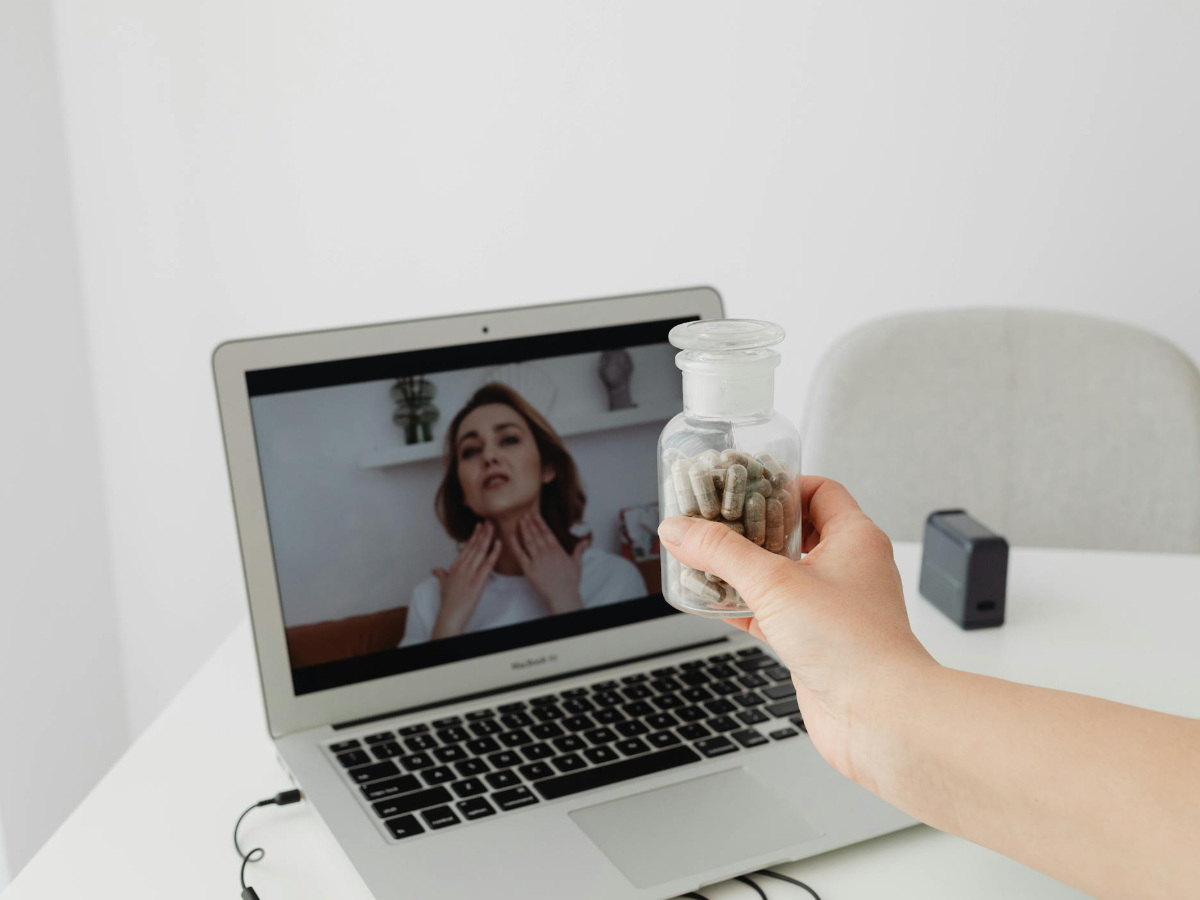
Starting therapy is a significant, brave step toward better mental health. If you’ve chosen a convenient online platform like TheraConnect, you might wonder how a virtual session works—and if it’s truly effective. The good news? Preparing for your first video meeting is easier than you think, and its effectiveness is backed by research.
This guide covers everything you need to know about your first virtual therapy session: from tech checks to what questions to expect, ensuring you walk in (or log on!) feeling confident.
What Makes Virtual Therapy Effective?
Before diving into preparation, it’s helpful to know that virtual therapy (or telehealth) is proven to be just as effective as in-person therapy for most common mental health concerns, including anxiety, depression, and stress management.
The key benefits of the virtual model are:
- Accessibility: You can connect with specialized Mental Care Professionals regardless of location.
- Comfort: You attend the session from your most comfortable, safe space (your home).
- Consistency: Scheduling is often more flexible, reducing the likelihood of missed appointments.
Phase 1: Preparation—4 Steps to Log-In Success
A successful virtual session starts before the screen lights up. Use this checklist to ensure your environment is optimal for vulnerability and focus.
1. Test Your Tech
Your focus should be on the session, not the connection.
- Internet: Ensure your Wi-Fi signal is strong. Consider using a wired connection if possible.
- Hardware: Use a computer or tablet rather than a phone for a larger screen and better video stability. Test your microphone and camera 15 minutes before the session starts.
- Platform Access: If using TheraConnect’s proprietary portal, log in early to ensure your credentials work.
2. Create a Sacred, Private Space
The effectiveness of therapy hinges on confidentiality.
- Privacy: Choose a room where you can close the door. Use headphones or earbuds to prevent your therapist’s voice from being overheard. If privacy is an issue, consider sitting in your car or a quiet private office.
- Comfort: Keep a glass of water, tissues, and a notepad nearby. Wear comfortable clothes.
3. Know Your Goals (The 3-Minute Summary)
The first session is primarily an assessment, but having a short summary prepared can help you utilize your time efficiently.
- Be Ready to Summarize: Have a 2-3 sentence answer prepared for the question, “What brings you to therapy right now?” (e.g., “I’m struggling with chronic anxiety that affects my sleep, and I need tools to manage work stress.”)
- Goal List: Write down 1-3 specific, achievable goals (e.g., “Reduce panic attacks to once a month,” or “Feel more confident setting boundaries”).
4. Turn Off Notifications
Completely silence your phone and computer notifications. Even a small ping can break your concentration and disrupt a moment of deep vulnerability. Your therapist needs your full, uninterrupted attention.
Phase 2: What to Expect in Your First Session
The first 45-60 minutes are not about solving your biggest problems; they are about establishing trust and history.
1. The Intake Process (The Paperwork Part)
The therapist will start with the necessary administrative and ethical groundwork. They will review:
- Confidentiality: A detailed explanation of who they can talk to (generally, no one) and the legal exceptions (harm to self or others, or mandated reporting).
- Logistics: Their cancellation policy, fee structure, and how they handle scheduling.
2. The Relationship History
Expect the therapist to take a detailed history of various aspects of your life. This gives them context for your current struggles.
- Personal History: Basic background information (family, job, education).
- Symptom History: When did your current struggle begin, how frequently does it happen, and what have you tried to do about it?
- Mental Health History: Have you been in therapy before? Have you received a diagnosis?
3. Setting the Tone: The Collaborative Agreement
Remember that therapy is a collaboration. Your therapist is not just listening; they are evaluating the best approach.
- Ask Questions: Do not be afraid to ask your therapist about their experience, their approach, or their therapeutic modality (e.g., “Do you practice CBT or focus more on trauma?”).
- Manage Expectations: You won’t leave with all the answers, but you should leave with a sense of connection and hope. The goal is simply to determine if you feel this person is the right fit for your journey.
Next Steps: Trusting the Process
If you felt a good connection, book your next 1-2 sessions immediately to maintain momentum. If you didn’t connect, that’s okay! Therapy is highly personal. TheraConnect provides access to a diverse network of professionals, and finding the right fit is part of the process.
Follow us on Facebook for more details.
The Top 5 Benefits of Online Counseling for Anxiety and Stress
In today’s fast-paced world, feelings of chronic anxiety and stress are widespread. Fortunately, advancements in telehealth have made support more accessible than ever before. Choosing online counseling for anxiety offers powerful advantages that traditional, in-person therapy often can’t match.
Here are the top five benefits of using virtual therapy to manage your mental health.
1. Unmatched Convenience and Accessibility
Online counseling removes two of the most significant barriers to starting therapy: time and travel. You eliminate the commute, the time spent in a waiting room, and the need to arrange childcare. This accessibility means you can schedule sessions during a lunch break, before work, or even late in the evening, making consistent therapy a reality.
2. Comfort in Your Own Environment
For many people dealing with anxiety, leaving the house, especially during a peak panic or highly stressful day, can be difficult. Virtual therapy for stress allows you to attend sessions from the place where you feel safest and most comfortable: your home, your office, or a quiet space. This sense of security can lead to deeper, more honest conversations sooner than in an unfamiliar clinic.
3. A Wider Pool of Specialists
If you live in a rural area or have a niche mental health need, finding a local specialist can be nearly impossible. Online platforms like TheraConnect.net connect you with licensed therapists across your state (or even country, depending on licensing laws). This significantly increases your odds of finding a provider specializing in your exact condition, whether it’s generalized anxiety disorder, social phobia, or health anxiety.
4. Easier Integration into Daily Life
A key part of anxiety management is practicing coping skills in real-world scenarios. With online counseling, your therapist can work with you in the environment where your stress occurs. For instance, you can take a session right before or after a stressful meeting, making it easier to process the feelings and integrate new relaxation techniques immediately.
5. Consistency and Reliability
Consistency is crucial for therapeutic progress. When travel is challenging, the weather is bad, or schedules unexpectedly shift, an in-person appointment is often cancelled. With online therapy, the barrier to attendance is low. This high level of reliability ensures your therapeutic momentum isn’t broken, leading to more predictable and positive outcomes in managing your anxiety and stress.
If you’re ready to find accessible, high-quality care, explore how online counseling for anxiety can fit into your life today.

Find the Right Online Therapist: 5 Steps to Your Perfect Match
Overwhelmed by Choices? 5 Steps to Finding Your Perfect Online Therapist
Starting therapy is a huge, positive step, but finding the right online therapist can be overwhelming. Many give up, not knowing where to start or how to vet a provider.
Finding the right online therapist is the most crucial factor for success. It’s about fit, specialization, and logistics. Use this structured, 5-step guide to simplify your search and connect with the professional who can best help you achieve your mental health goals.
Step 1: Define Your Needs and Non-Negotiables
Before you even open a directory, you need a clear picture of what you’re looking for. This saves you hours of scrolling and filtering.
A. Identify the Specialty
Therapists are not one-size-fits-all. What is the primary issue you want to address?
Your Need Possible Specialist Focus Relationship issues Licensed Marriage and Family Therapist (LMFT) Panic attacks, GAD Anxiety Specialist, Cognitive Behavioral Therapy (CBT) Trauma, PTSD EMDR Certified Therapist, Trauma-Informed Care Depression, Mood Clinical Social Worker (LCSW), Psychiatrist (for medication) Career stress Licensed Professional Counselor (LPC) Action: Write down 2-3 specific topics you want to discuss (e.g., “grief related to job loss” or “managing social anxiety”).
B. Set Logistical Boundaries
Online therapy offers flexibility, but you need to align with a therapist’s schedule and payment model.
- Cost: What is your budget per session? Will they accept your insurance, or are they out-of-network?
- Availability: Do you need evening or weekend appointments? Only search for those who offer times that genuinely work for you.
- Cultural Fit: Do you prefer a therapist who shares a specific cultural, religious, or racial background? Filter accordingly.
Step 2: Use Filters, Directories, and Referral Networks
Now that you know what you need, use the powerful filtering tools available on platforms like TheraConnect and other reputable directories.
- Platform Filters: Use keywords like “CBT,” “Trauma,” or “LGBTQIA+” to narrow the list. Filter by insurance provider first.
- Check Credentials: Look for the letters after their name (e.g., Psy.D., Ph.D., LMFT, LCSW). This confirms they are licensed.
- Read Their Profile: A good profile will clearly state the therapist’s therapeutic modalities (e.g., Dialectical Behavioral Therapy (DBT), Psychodynamic, Eye Movement Desensitization and Reprocessing (EMDR)). If you defined your needs in Step 1, you can quickly assess if their approach matches your issues.
Step 3: Vet the Credentials and Licensing
This is the non-negotiable step for safety and quality. Unlike life coaching or mentorship, licensed therapy is regulated.
- Verify Licensure: Every licensed mental health professional is registered with a state board. Search the therapist’s name on their State Licensing Board website to confirm they are in good standing. This is public information and gives you peace of mind.
- Ensure Telehealth Authorization: Confirm that the right online therapist is licensed to practice in your current state. Virtual therapists cannot legally provide care across state lines unless they hold multiple state licenses or the states have reciprocity agreements.
Step 4: Prepare and Ask Interview Questions
Think of the initial consultation or first few minutes of the first session as a brief job interview—you are the employer. You need to ensure the therapeutic alliance (the bond between client and therapist) is strong.
Here are essential questions to ask during a brief introductory call or the start of the first session:
Category Key Questions to Ask Experience “Have you worked with [my specific issue, e.g., panic attacks] before? What was your approach?” Approach “How do you measure success in therapy?” “What does a typical session with you look like?” Logistics “What is your policy if I need to reach you between sessions?” Cultural Fit “What is your experience working with clients from diverse backgrounds?” Crucial Indicator: Pay attention to how they answer. Are they non-judgmental, warm, and clear? Do you feel listened to and understood?
Step 5: Trust Your Gut (The “Fit” Check)
You can have the most qualified therapist in the world, but if the personal chemistry isn’t right, the sessions won’t be effective. The therapeutic alliance is the biggest predictor of success.
After the first session, ask yourself these three critical questions:
- Do I feel heard? Did they actively listen, or did they interrupt or talk about themselves?
- Do I feel safe? Did they clearly establish boundaries and respect my vulnerability?
- Do I feel challenged (in a good way)? Do I feel like I learned something new, or that they offered a perspective I hadn’t considered?
If the answer to the first two questions is “Yes,” you’ve likely found a great fit. It can take 2-4 sessions to fully settle in, but if you feel strongly disconnected after the first meeting, it’s okay to move on. Your mental health is worth finding the perfect mat
Follow us on Facebook for more details.
Find a Therapist in Florida: How to Find the Right Mental-Care Provider
Finding the right mental-care provider can feel overwhelming. Whether you’re dealing with anxiety, depression, trauma, grief, relationship concerns, burnout, or a major life transition, knowing where to begin can make the process easier.
TheraConnect helps people discover mental-care providers in Florida by making it easier to explore provider profiles, specialties, services, and locations.
Mental Health Care in Florida
Access to mental-health care can vary from one community to another. Federal Health Professional Shortage Areas (HPSAs) identify geographic areas, populations, and facilities where there is a shortage of mental-health professionals. Bureau of Health Workforce
As of December 31, 2025, Florida had 239 designated mental-health HPSAs, representing approximately 9.9 million people in designated areas. The same data show that the designated areas were estimated to have about 24.9% of their mental-health provider need met. KFF
That makes finding accessible mental-care options an important part of navigating care in Florida.
How to Find the Right Therapist in Florida
Start by identifying what you’re looking for help with.
You may want a provider who works with:
- Anxiety and stress
- Depression
- Trauma
- Grief and loss
- Relationship concerns
- Family concerns
- Burnout
- Self-esteem
- Life transitions
- Narcissistic abuse recovery
- Other emotional or mental-health concerns
Searching by specialty can help you narrow your options rather than choosing a provider based solely on location.
What Type of Mental-Care Provider Are You Looking For?
Mental-care professionals can have different education, credentials, licensing requirements, and areas of practice.
Depending on your needs, you may encounter:
- Therapists
- Licensed clinical social workers
- Licensed mental-health counselors
- Marriage and family therapists
- Psychologists
- Mental-health coaches
- Other mental-care professionals
When reviewing a provider, look at their credentials, specialties, experience, services, and the type of support they offer.
For licensed professionals, you can also use Florida’s official health-professional license verification resources to check licensing information.
Online or In-Person Mental Health Support?

Your search doesn’t necessarily have to be limited to providers located close to your home.
Many mental-care providers offer online services, while others provide in-person appointments. Some offer both.
When reviewing a provider profile, look for:
- Online availability
- In-person availability
- Location
- Areas of specialty
- Services offered
- Whether they’re accepting new clients
- The populations they work with
If you’re considering online care, confirm that the provider is able to serve clients in your location and that the service is appropriate for your needs.
How to Choose a Florida Mental-Health Provider
Once you’ve found several providers who appear to match your needs, take some time to compare them.
Consider:
Does this provider work with the issue I’m experiencing?
Do their credentials and experience fit what I’m looking for?
Do they offer online or in-person sessions?
Are they accepting new clients?
Do their services fit my needs and circumstances?
Do I feel comfortable reaching out to them?
You don’t have to choose the first provider you find.
The goal is to find someone whose experience, services, and approach align with what you’re looking for.
Find Mental-Care Providers Across Florida
Florida is home to communities with very different needs and circumstances.
TheraConnect helps people explore mental-care providers based on factors such as specialty, services, and location.
You can review provider profiles and learn more about professionals before deciding who you’d like to contact.
Whether you’re looking for help with anxiety, trauma, relationships, grief, burnout, depression, or another concern, starting with your specific needs can make your search more focused.
Find a Mental-Care Provider on TheraConnect
Searching for mental-care shouldn’t require visiting dozens of different websites.
TheraConnect gives people a place to discover mental-care providers and explore their professional profiles.
Looking for mental-care support in Florida?
Find a Mental-Care Provider on TheraConnect →
Are You a Mental-Care Provider in Florida? Get Found.
TheraConnect is also designed for the professionals providing mental-care services.
If you’re a therapist, counselor, psychologist, coach, or other mental-care professional in Florida, a professional directory profile can give potential clients another way to discover your services.
Your profile can showcase:
- Your professional credentials
- Your specialties
- Your experience
- Your services
- Your location
- Online or in-person options
- Information potential clients can use when deciding whether to contact you
Your online presence shouldn’t depend entirely on social media or someone happening to find your individual website.
Make it easier for people looking for mental care to discover you.
Your Expertise Matters. Get Found.
Create your professional TheraConnect profile and put your services where people are looking for mental-care providers.
Join TheraConnect as a Provider →
Finding Mental Care Doesn’t Have to Feel So Complicated
Start with what you need.
Look for providers who specialize in those concerns. Review their profiles and credentials. Consider whether online or in-person care works best for you. Then reach out to providers who appear to fit your needs.
TheraConnect helps make the discovery process easier.
Find mental-care providers in Florida.
If you’re experiencing an emergency or believe you may be in immediate danger, contact 911 or call/text 988 for the 988 Suicide & Crisis Lifeline.
Find a Therapist in Texas: How to Find the Right Mental-Care Provider
Finding the right mental-care provider can feel overwhelming. Texas is a large and diverse state, and the right provider for one person may not be the right fit for someone else.
You may be searching for help with anxiety, depression, trauma, grief, relationship concerns, burnout, stress, self-esteem, or another life challenge. You may also be wondering whether you should look for someone nearby or work with a provider online.
TheraConnect makes it easier to discover mental-care providers and explore your options in Texas.
Mental Health Care in Texas
Access to mental-health care can vary significantly depending on where someone lives and what type of support they need.
The Health Resources and Services Administration (HRSA) designates certain geographic areas, populations, and facilities as Mental Health Professional Shortage Areas when there are not enough mental-health professionals to meet the needs of the population.
For someone looking for care, that can make knowing where to search and what to look for especially important.
TheraConnect provides a place where people can explore mental-care providers and learn more about their specialties, services, and professional backgrounds.
How to Find the Right Therapist in Texas
The closest provider isn’t necessarily the right provider for you.
When searching, start by thinking about what you want help with.
For example, you may want a provider who works with:
- Anxiety and stress
- Depression
- Trauma
- Grief and loss
- Relationship concerns
- Family concerns
- Burnout
- Self-esteem
- Life transitions
- Narcissistic abuse recovery
- Other emotional or mental-health concerns
Looking for providers who specifically list your area of concern can make it easier to narrow your options.
What Type of Mental-Care Provider Are You Looking For?
“Mental-care provider” can describe different types of professionals.
Depending on your needs, you may encounter:
- Therapists
- Licensed professional counselors
- Licensed clinical social workers
- Marriage and family therapists
- Psychologists
- Mental-health coaches
- Other mental-care professionals
Their education, licensing, scope of practice, and services can differ.
When reviewing a provider, take time to look at their credentials, specialties, experience, services, and approach.
If you’re seeking therapy, you can also verify licensing through the appropriate Texas licensing authority.
The Texas Behavioral Health Executive Council provides license verification resources for several behavioral-health professions, including professional counselors, psychologists, social workers, and marriage and family therapists.
Online or In-Person Therapy in Texas?
You may not need to limit your search to providers located a few miles from your home.
Some providers offer online sessions, while others offer in-person appointments. Some offer both.
Online care may give you additional options when you’re searching for a provider with a particular specialty.
When looking at a provider profile, check:
- Whether they offer online sessions
- Whether they offer in-person sessions
- Where they are located
- Their specialties
- Their availability
- The types of clients they work with
- Their listed services
Always confirm availability and whether the provider can serve you in your location before beginning care.
How to Choose a Texas Mental-Health Provider
Once you’ve found several providers who appear to fit your needs, compare their profiles.
Consider asking:
Does this provider work with the issue I’m dealing with?
Do their credentials and experience fit what I’m looking for?
Do they offer the type of sessions I want?
Do they work with people in my location?
Are they accepting new clients?
Do I feel comfortable contacting them?
You don’t have to choose the first provider you find.
Finding the right fit can take some time.
Find Mental-Care Providers Across Texas
Texas communities are diverse, and people seek mental-care support for many different reasons.
TheraConnect can help people discover providers throughout Texas based on factors such as specialty, services, and location.
You can explore provider profiles to learn more about professionals before deciding who you’d like to contact.
Looking for support with a specific concern?
You may want to start by searching for providers who work with:
- Anxiety
- Depression
- Trauma
- Grief
- Relationships
- Family concerns
- Burnout
- Stress
- Self-esteem
- Life transitions
The goal isn’t simply to find a provider.
It’s to find a provider whose experience and services align with what you’re looking for.
Find a Mental-Care Provider on TheraConnect
TheraConnect was created to make discovering mental-care providers easier.
Clients can explore provider profiles and learn more about professionals who may be able to help.
Start your search today.
Find a Mental-Care Provider
Are You a Mental-Care Provider in Texas? Get Found.
TheraConnect isn’t only for people searching for care.
It’s also a place for therapists, counselors, psychologists, coaches, and other mental-care professionals who want to create an online presence where people looking for support can discover them.
Your professional profile can help potential clients learn about:
- Who you are
- Your credentials
- Your specialties
- The services you provide
- Where you practice
- Whether you offer online care
- How potential clients can contact you
Instead of relying entirely on social media or hoping someone finds your individual website, a directory profile gives prospective clients another way to discover your services.
Your Expertise Matters. Make It Easier to Find You.
If you’re a Texas mental-care provider, you can create a professional profile on TheraConnect.
Join TheraConnect and get your professional profile in front of people looking for mental-care support.
Join TheraConnect as a Provider
Finding Mental Care Doesn’t Have to Feel So Complicated
Searching for mental-care support can be a big step.
Start with what you need. Look for providers who specialize in those concerns. Review their credentials and profiles. Consider whether online or in-person care works best for you. Then reach out to providers who appear to be a good fit.
TheraConnect helps make that discovery process easier.
Whether you’re searching for a therapist in Houston, Dallas, Austin, San Antonio, Fort Worth, or elsewhere in Texas, you can start your search online and explore available mental-care providers.
Find the support that’s right for you.
Explore Mental-Care Providers on TheraConnect
Find a Therapist in California: How to Find the Right Mental Care Provider
Finding the right mental-care provider can feel overwhelming. California is a large and diverse state, and people looking for support may have many questions:
Should I look for a therapist near me? Can I work with someone online? What type of provider do I need? How do I know whether someone is properly licensed?
TheraConnect makes the process simpler by helping people search for mental-care providers by location, specialty, and type of support.
Whether you’re looking for help with anxiety, trauma, grief, relationships, burnout, depression, or another concern, the right provider can be easier to find when you know what to look for.
Mental Health Care in California
California has a substantial need for behavioral-health services, and access isn’t the same everywhere in the state.
Federal Health Professional Shortage Areas can identify geographic areas, populations, or facilities experiencing shortages of mental-health providers. Bureau of Health Workforce
California has also historically experienced significant differences in provider availability between regions. A California Future Health Workforce Commission report found particularly low behavioral-health provider-to-population ratios in regions including the Inland Empire and San Joaquin Valley, while noting that every region faced behavioral-health capacity challenges. KFF
That makes finding a provider who fits your needs—and can actually accept new clients—an important part of the search.
What Kind of Mental-Care Provider Are You Looking For?
The word “therapist” can refer to several different types of professionals.
Depending on your needs, you may encounter:
- Licensed Clinical Social Workers (LCSWs)
- Licensed Marriage and Family Therapists (LMFTs)
- Licensed Professional Clinical Counselors (LPCCs)
- Psychologists
- Other licensed mental-health professionals
- Mental-care coaches and other wellness professionals, where appropriate
California’s Board of Behavioral Sciences regulates several categories of behavioral-health professionals, including LMFTs, LCSWs, LPCCs, and Licensed Educational Psychologists. Board of Behavioral Sciences
When searching for a provider, look at their credentials, specialties, services, location, availability, and the type of support they provide.
How to Find a Therapist in California
1. Start With What You Need Help With
Instead of searching only for “therapist California,” start with the issue you want help addressing.
For example:
Anxiety or stress
Look for providers who specifically work with anxiety, stress management, or related concerns.Trauma
Search for professionals who list trauma or trauma-informed care among their specialties.Grief and loss
Look for providers who specifically work with grief and bereavement.Relationships
You may want someone experienced with relationship concerns, couples counseling, or family issues.Burnout
Consider providers who work with stress, burnout, work-life concerns, or life transitions.The more specific your search, the easier it can be to compare providers who may fit your needs.
2. Decide Whether You Want Online or In-Person Care
You don’t necessarily have to find someone in your immediate neighborhood.
Some California providers offer virtual sessions, which can give clients additional choices when searching for mental-care support.
Others provide in-person services.
When reviewing a profile, check whether the provider offers:
- In-person sessions
- Virtual sessions
- Both
- Services in your location
- The type of support you’re seeking
3. Check Provider Credentials
Credentials matter.
California maintains official licensing systems that allow consumers to verify licensing information for professionals regulated by the state.
The California Board of Behavioral Sciences says its license-verification information comes from the Board’s primary licensing system and can be used to check an individual’s current status. Board of Behavioral Sciences
For psychologists, the California Board of Psychology also maintains licensing and registration information. California Board of Psychology
A directory profile should make it easier to understand who the provider is and what they offer, while consumers should still verify credentials when appropriate.
4. Look Beyond Location
Two providers in the same city can offer very different approaches.
When comparing profiles, consider:
- Specialty
- Professional credentials
- Experience
- Session format
- Availability
- Location
- Approach to care
- Whether they’re accepting new clients
- Whether their services fit what you’re looking for
Finding someone who fits your specific needs may be more useful than simply choosing the closest provider.
Find Mental-Care Providers Across California
TheraConnect is designed to make provider discovery easier.
You can search for providers based on factors such as location and specialty, then review individual profiles to learn more about the professionals offering mental-care services.
California searches can include communities throughout the state, including areas such as:
- Los Angeles
- San Diego
- San Francisco
- Sacramento
- San Jose
- Oakland
- Fresno
- Bakersfield
- Riverside
- Anaheim
- Stockton
- Irvine
- Santa Barbara
- Long Beach
- And surrounding communities
As more providers join TheraConnect, the directory can continue expanding its California coverage.
For California Mental-Care Providers: Get Found
TheraConnect isn’t only for people searching for support.
It’s also for providers who want to be easier to discover online.
If you’re a California therapist, counselor, psychologist, coach, or other mental-care professional, having a professional directory profile gives prospective clients another way to learn about your services.
Your profile can showcase:
- Your professional credentials
- Your specialties
- Your location
- Your services
- Your experience
- Your session options
- Information potential clients can use when deciding whether to contact you
Instead of relying entirely on people finding your individual website or social-media account, a directory profile gives you another online presence where people are actively looking for mental-care providers.
Your expertise matters. Make it easier to find you.
Join TheraConnect and create your professional provider profile.
Join TheraConnect as a Provider
Find the Right Mental-Care Provider in California
You don’t have to figure out the entire process at once.
Start with what you’re looking for, identify the type of provider who may be appropriate, narrow your search by specialty and location, and take time to review individual profiles.
The goal isn’t simply to find a provider. It’s to find a provider who fits what you’re looking for.
Find a Mental Care Provider on TheraConnect

Feeling SAD? Talk therapy gets better long-term results than light boxes By Kelly Rohan
Published: December 15, 2015, 5:53 am EST
Author: Kelly Rohan, Professor of Psychology, University of Vermont
Disclosure statement: Kelly Rohan receives funding from the National Institutes of Mental Health and book royalties from Oxford University Press for the CBT treatment manual for SAD.As the days get shorter and the nights grow longer, sometimes it can seem like we barely get a chance to see the sun. For most people, this can be frustrating, and for others, the slide into winter can actually lead to a subset of depression called seasonal affective disorder, or SAD.
SAD is a form of clinical depression that follows a seasonal pattern. The symptoms are present during the fall and winter months and resolve in the spring and summer. Common SAD symptoms include: depressed mood, loss of interest, fatigue, sleep changes (usually sleeping more), significant appetite changes (usually craving more starches and sweets), difficulty concentrating, and sometimes thoughts of death or suicide.
SAD can be tough, but it is treatable. Some people might use daily therapy with a light box, but antidepressants are also used. My lab at the University of Vermont wanted to test another kind of treatment – cognitive-behavioral therapy. We wanted to see if using this talking-based therapy could deliver more lasting results than light therapy does.
Who Gets SAD and How Is It Different from Depression?
One popular misconception about SAD is that it affects everyone in northern locations, though it’s true that most people at high latitudes experience SAD symptoms to a certain extent. In the United States, the farther north you go, the more cases of SAD you find. SAD prevalence has been estimated to range from 1% in Florida to 10% in Alaska. While it is more common the farther north you go, only a minority of people living in these places actually have the number and severity of symptoms it takes to count as winter depression.
Everyone can experience some changes in behavior or outlook with the shift of the seasons, and many of these are normal. When it is cold, you might not want to go out as often. When the nights are longer and the days are shorter, your sleep patterns may change.
But SAD is different from these typical changes because the symptoms can make it difficult to function at work or school or in relationships and cause great distress. We can think of seasonal changes as on a continuum, ranging from no symptoms at all to seasonal affective disorder on the extreme end. In northern locations, most people fall in the middle, with mild changes in energy, sleep, and food preferences in winter versus summer.
We don’t know why short days can lead to SAD, but several hypotheses have been proposed. For instance, a person’s biological clock may run slow, delaying circadian rhythms. Perhaps longer nights mean a longer period of release for melatonin, the “hormone of darkness” that signals sleep, which leads to a longer “biological night.” Both of these scenarios would lead to a mismatch between the sleep and wake cycle and the light-dark cycle.
A visitor relaxes in the new Light Lounge, an ambient white space containing four specially designed light boxes in the Science Museum’s Dana Centre in London. Alessia Pierdomenico/Reuters
Treating SAD
One popular treatment for SAD is light therapy, which involves daily exposure to a device that produces 10,000 lux of full-spectrum light, minus the harmful ultraviolet rays. The idea is that it mimics sunlight. Light therapy usually takes place first thing in the morning to simulate a summer dawn and jump-start the circadian clock. It is an established, effective SAD treatment. Across studies, 53% of SAD patients experience complete relief from their symptoms with light therapy.
My laboratory has been conducting clinical trials to test an alternative treatment: cognitive-behavioral talk therapy (CBT). CBT is not a new treatment – it has been used and researched for nonseasonal depression for over 40 years. But, until now, it hasn’t been tested for SAD in clinical trials.
CBT involves recognizing and changing negative thoughts that feed sad moods and engaging in pleasurable activities that counteract depressed moods. In SAD specifically, a lot of these negative thoughts are gloomy thoughts about the winter season, short days, and winter weather.
Dwelling on these negative thoughts and going into “hibernation mode” by withdrawing to the couch or bed breeds depression. In CBT for SAD, we try to get people to be proactive by questioning and reframing these negative thoughts and engaging in behaviors that make them approach winter rather than avoiding it, especially through increased social activities and keeping up hobbies and interests in the winter.
The basic idea is to tweak negative, helpless attitudes about winter (“Winter is a dreaded season to endure”) to be more positive and empowering (“I prefer summer to winter, but winter also offers opportunities for enjoyment if I take control of my mood rather than letting the season dictate how I feel”).
Comparing Talk Therapy and Light Therapy
We just finished a clinical trial at the University of Vermont, where 177 adults with SAD were treated with either light therapy or CBT across six weeks in the winter and then followed for two years.
Initially, we found that light therapy and CBT were both effective SAD treatments. Both were associated with large improvements in SAD symptoms during treatment in the winter. However, by two winters later, there was a clear advantage of initial treatment with CBT over light therapy.
People who were treated with CBT had fewer relapses of their SAD: slightly less than one-half of the people in the light therapy group relapsed, as compared to slightly more than one-quarter in the CBT group. The people treated with CBT also had less severe winter symptoms overall than those treated with light therapy.
Why Does the CBT Seem to Have a Longer-Lasting Effect?
These results suggest that the effect of CBT is more durable in the long run.
It might be that long-term compliance with light therapy – sitting in front of a light box for at least 30 minutes a day, every day during winter – is part of the problem. We found that slightly less than one-third of the people we treated with light therapy reported any light therapy use one or two winters later. This is an issue because light therapy is intended as a daily treatment during the fall and winter months that is continued until spring, with its increased sunshine arrives.
Although CBT involves effort to attend sessions, work with a therapist to change winter habits and “homework” to practice skills, it seems to pay off in the long run with better outcomes. It might be that teaching people to reframe their thoughts about winter can help them overcome SAD year after year.