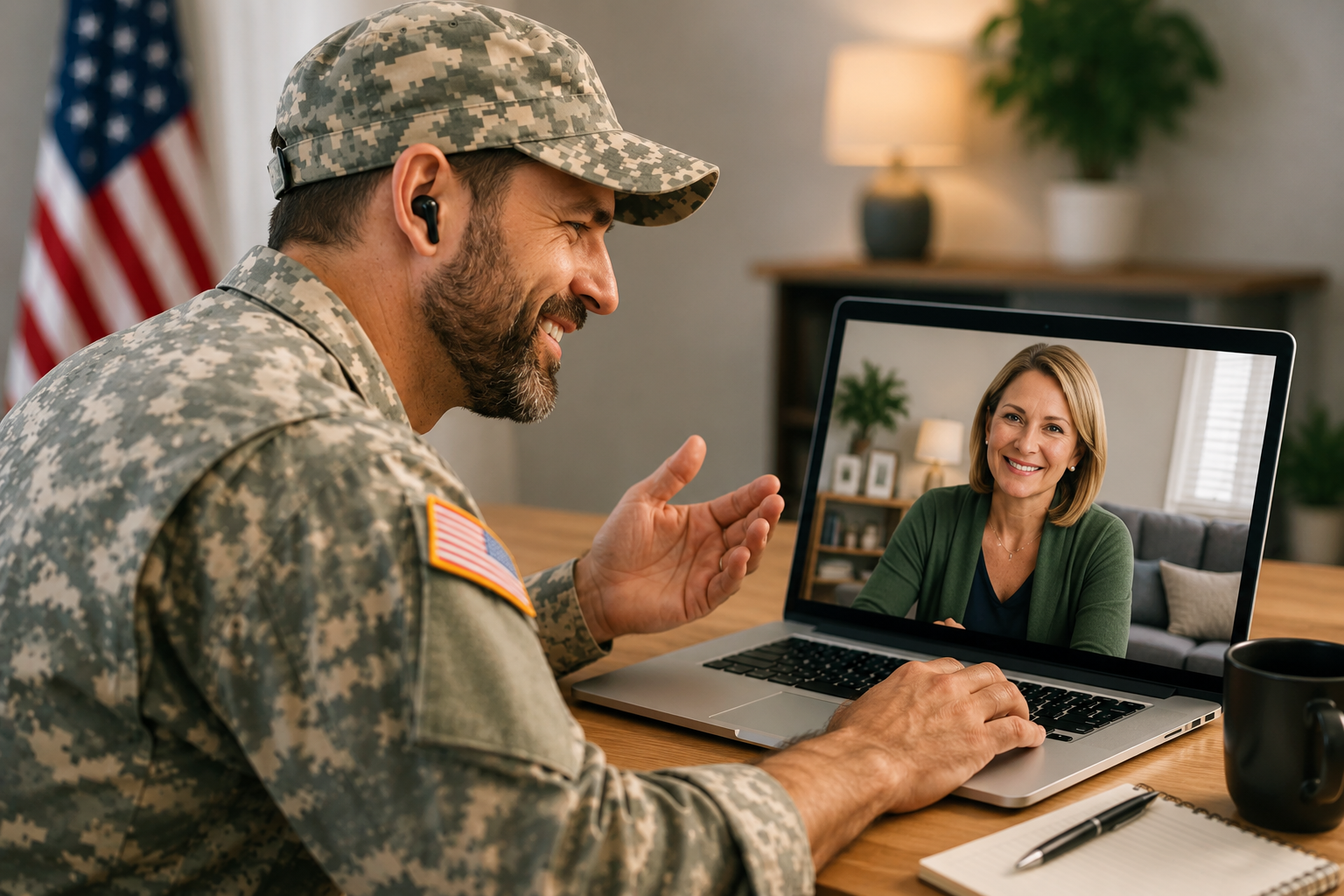
Some veterans put off therapy for months or years for one simple reason: getting care can feel like another system to manage. Long waits, limited local options, transportation issues, and the pressure of explaining military experiences to someone who may not understand them can all become barriers. That is exactly why many people start looking for the best online counseling for veterans – not because they want a shortcut, but because they want care that is easier to reach and more likely to fit real life.
Online counseling can be a strong option for veterans dealing with PTSD, anxiety, depression, grief, relationship stress, sleep problems, or the hard shift from military to civilian life. It is not the right fit for every situation, and it does not replace emergency support. But for many veterans, it creates a more practical path to consistent care.
What makes the best online counseling for veterans?
The phrase sounds simple, but the answer depends on the person. The best online counseling for veterans is not always the biggest platform or the cheapest session. It is the service that connects you with a qualified therapist who understands your needs, offers a format you can realistically keep up with, and fits your budget.
For some veterans, the key factor is experience with trauma and PTSD. For others, it is finding a counselor who works with couples, substance use, chronic pain, or moral injury. A veteran who travels often may need flexible scheduling and phone sessions, while someone living in a rural area may care most about reliable access and lower costs.
That is why broad promises are less useful than clear standards. A good platform should be transparent about therapist credentials, pricing, availability, and what kind of support it can and cannot provide.
Why online therapy works well for many veterans
One of the biggest advantages is privacy. Some veterans feel more comfortable speaking from home than walking into a local office. That extra sense of control can make it easier to start, especially if therapy feels unfamiliar or emotionally loaded.
Convenience matters too. If you are balancing work, school, family life, medical appointments, or mobility challenges, virtual sessions can remove enough friction to make therapy actually happen. That does not sound dramatic, but it matters. Care only helps if you can access it regularly.
There is also the issue of fit. In some areas, finding a therapist with military-informed experience can be hard. Online platforms widen the pool. Instead of being limited to whoever is nearby, veterans can often choose from more licensed professionals with relevant training and different approaches.
Still, online counseling has trade-offs. If your internet connection is unreliable, if home is not a private space, or if you are in acute crisis, virtual care may be frustrating or inappropriate. Some people also simply feel more connected in person. That does not mean online therapy failed. It may just mean another format fits better.
How to evaluate a platform before you sign up
Start with credentials. Therapists should be clearly identified as licensed professionals, with their qualifications and states of practice easy to verify. If a service is vague about who provides care, that is a red flag.
Next, look at matching. Veterans often benefit from a therapist who understands trauma, military culture, reintegration stress, and family dynamics tied to service. A platform that asks thoughtful intake questions and uses those answers to guide matching is more helpful than one that leaves you sorting through generic profiles with little direction.
Cost should be easy to understand before you commit. Some platforms charge a flat subscription, others charge per session, and some accept insurance while others do not. Veterans comparing options should pay attention to cancellation policies, out-of-pocket costs, and whether messaging support is included or charged separately.
Session format matters more than many people expect. Video may be ideal for one person, while another may prefer phone sessions because they feel less intense. Messaging-based therapy can help between appointments, but it is usually not a full replacement for live sessions when someone is working through trauma or severe depression.
The therapist matters more than the app
A polished platform can make the process smoother, but the relationship with the therapist is what shapes the experience. Veterans often do best when they feel respected, not analyzed from a distance. That means looking for a counselor who listens carefully, avoids assumptions, and is comfortable discussing military experiences without turning every session into a lesson on service culture.
It is fair to ask direct questions before or during early sessions. You can ask whether the therapist has worked with veterans before, what experience they have with PTSD or trauma treatment, and how they approach issues like anger, sleep disruption, hypervigilance, grief, or family strain. A good therapist will not be offended by that. They should welcome it.
This is also where personal fit comes in. Two therapists may have equally strong credentials, but one may feel easier to talk to. That difference is real. If the first match is not right, switching is not failure. It is part of finding care that can actually help.
Cost, insurance, and affordability
Affordability is often the deciding factor, and it should be part of the conversation from the start. Veterans may have different paths to care depending on insurance, eligibility, and personal budget. Some people use benefits they already have. Others choose private-pay online therapy because they want faster access, more flexible scheduling, or a broader therapist pool.
If you are comparing services, do not just ask for the lowest price. Ask what is included. A lower session fee may come with limited support, long waits, or fewer choices. A slightly higher cost may provide stronger matching, better therapist availability, and a more consistent experience.
This is one reason matching platforms can help. Instead of spending hours searching on your own, a service built around vetting and matching can save time and reduce guesswork. At TheraConnect, the focus is on connecting clients with qualified providers in a way that is approachable, transparent, and budget-aware. That kind of structure can be especially helpful when you already feel overwhelmed.
Common concerns veterans have about online counseling
A lot of hesitation comes down to one question: will this actually feel real? It is a fair concern. Many people assume therapy only works face-to-face, especially for trauma. But research and lived experience both show that virtual therapy can be effective for many mental health concerns when the therapist and format are a good fit.
Another common worry is whether a civilian therapist will understand military life. Some do, some do not. The answer is not to assume either way. Ask. Experience with veterans, trauma-focused training, and a respectful style matter more than marketing language.
There is also concern about opening up from home. For some people, home feels safer. For others, it feels distracting or too exposed. If privacy is hard to find, you may need to plan around that with headphones, a parked car, a private room, or a time of day when interruptions are less likely.
Signs you may have found the right fit
The right online counseling service usually feels clear, not confusing. You know what sessions cost, how scheduling works, and who your therapist is. The therapist shows up consistently, listens without judgment, and helps you work toward specific goals instead of keeping things vague.
Progress does not always mean feeling better right away. Some sessions will be hard. But over time, you should feel more understood, more grounded, or more capable of handling what brought you to therapy in the first place. If sessions leave you feeling dismissed, lost, or mismatched week after week, it may be time to change providers.
Choosing the best online counseling for veterans starts with one honest question
What kind of support can you realistically use right now? That question is more helpful than chasing a perfect platform. If you need flexible appointments, look for that. If you need trauma-informed care, make that nonnegotiable. If cost is tight, be upfront about it and compare options carefully.
The best online counseling for veterans is the one that meets you where you are, respects your experience, and makes it easier to keep showing up. If you have been waiting for care to feel more manageable, this may be the moment to check your options and get started.
Your Expertise Deserves to Be Found.
People are searching for support. Make it easier for them to discover you.
Leave a Reply