
Eastside WA

  • Credential Verification for Online Therapists

    Credential Verification for Online Therapists

    The profile looks polished. The rates seem fair. The therapist says they specialize in exactly what you need. But before you book that first session, one question matters more than almost anything else: has this person actually been verified to practice?

    That is why credential verification for online therapists is not a technical detail. It is a trust issue, a safety issue, and often the difference between getting real care and wasting time with someone who is not qualified to treat you.

    Online therapy has made mental health support easier to access, especially for people with tight schedules, limited local options, or a need for privacy. That convenience is a real advantage. At the same time, the internet can make almost anyone look credible. A professional headshot and a calm bio are not proof of licensure, training, or legal authority to provide therapy in your state.

    Why credential verification for online therapists matters

    In the US, therapy is a regulated profession. That means mental health providers usually need specific education, supervised clinical training, and an active license issued by a state board. Those requirements exist for a reason. They help protect clients from harm and create accountability when something goes wrong.

    When credential verification is skipped, clients may not realize they are speaking with a coach, an unlicensed helper, or someone whose license has expired or been restricted. That does not automatically mean the person is dishonest or incapable of offering support. It does mean they may not be legally qualified to diagnose, treat, or provide psychotherapy.

    The risk is not only clinical. It can also affect privacy, insurance, records, and emergency response. A properly licensed therapist is generally expected to follow professional standards around confidentiality, informed consent, recordkeeping, and crisis procedures. If those safeguards are missing, the whole care experience becomes less reliable.

    What credential verification actually includes

    People often assume verification means checking whether a therapist has letters after their name. It should go further than that.

    At a minimum, verification should confirm that a provider has an active license, that the license is in good standing, and that they are authorized to practice in the state where the client is located. This last point matters more than many people realize. In online therapy, the client’s physical location during the session often determines whether the therapist can legally provide care.

    Verification may also include reviewing education, clinical training, identity, disciplinary history, malpractice coverage, and experience with telehealth. A therapist can be excellent in person and still need to adapt to online practice. Virtual care requires thoughtful communication, secure technology, and a clear process for emergencies.

    If a platform says it vets providers, that should mean more than collecting a résumé. It should mean there is a process for reviewing licenses and eligibility before providers are listed and ideally checking them on an ongoing basis.

    How to verify an online therapist yourself

    You do not need to be an expert in professional licensing to do a basic check. In most cases, a therapist should be willing to share their full name, license type, licensing state, and license number if asked.

    From there, you can look up that information through the appropriate state licensing board. The exact board varies by profession. A psychologist, clinical social worker, marriage and family therapist, and licensed professional counselor may all be regulated by different boards depending on the state.

    What you want to see is simple: active status, no major unresolved disciplinary issues, and a license that matches the services being offered. If a provider says they serve clients nationwide, be careful. Cross-state practice rules are complicated. Some therapists can practice in multiple states, but that depends on where they are licensed, whether interstate compacts apply, and where the client is physically present during care.

    A good provider should also explain what kind of therapy they offer, what their credentials mean, and whether they are licensed to treat your concerns. If their answers feel vague or evasive, pay attention to that.

    Red flags that deserve a closer look

    Not every concern means a therapist is unqualified. Still, a few patterns should make you pause.

    One is a profile that highlights life experience or personal healing but barely mentions licensure. Another is confusing language such as “certified therapist” without naming the actual state-issued license. Certifications can be meaningful, but they are not the same as a clinical license.

    Another red flag is reluctance to discuss where the therapist is licensed or whether they can legally work with clients in your state. Clear, direct answers matter here. So does transparency about fees, privacy practices, and what happens if you are in crisis.

    You should also be cautious if someone promises guaranteed results, immediate transformation, or treatment for every issue under the sun. Ethical therapists tend to be specific about their scope and honest about limits. Mental health care is personal, and the best fit is not always the provider with the most impressive marketing.

    The role platforms play in trust

    For many clients, the easiest path is using a platform that handles part of the verification process before therapists ever appear in search results. That does not remove the client’s right to ask questions, but it can reduce the burden and create a safer starting point.

    This is where platform standards matter. A trustworthy platform should be clear about who can join, what qualifications are reviewed, and whether providers are monitored over time. It should also make it easier for clients to understand what they are paying for and who they are speaking with.

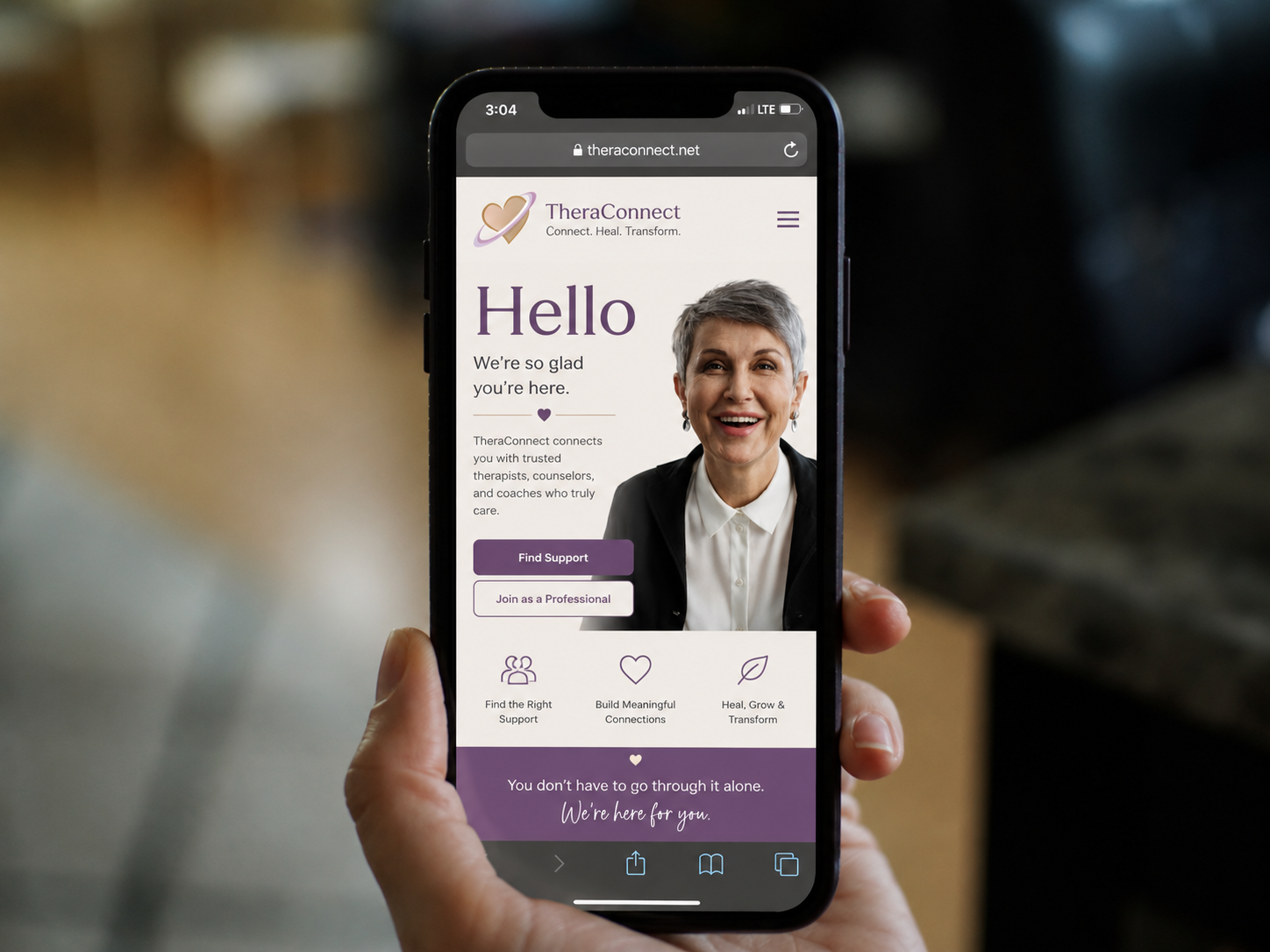
    TheraConnect, for example, is built around provider vetting and thoughtful matching because accessibility only works when trust is part of the experience. Affordable care is important, but affordability should never mean lower standards for qualification or safety.

    That said, no platform can replace your own judgment entirely. Verification tells you a provider is qualified to practice. It does not tell you whether they are the right fit for your personality, goals, or communication style. Those are separate questions, and both matter.

    Credentials matter, but fit matters too

    A verified license is the floor, not the finish line. Once you know a therapist is properly credentialed, the next step is figuring out whether they are a good match for you.

    That may include their experience with anxiety, depression, trauma, relationships, identity issues, grief, or stress. It may also include practical concerns like session times, cost, insurance, and whether they offer a pace and style that feels comfortable. Some clients want structured, goal-oriented sessions. Others want more open-ended support. Neither preference is wrong.

    This is one reason online therapy can work so well. It gives people more options, especially if they live in areas with limited local providers. But more options can also create more noise. Verification helps narrow the field to professionals who meet the basic standard of legal and ethical practice. From there, you can focus on the human side of choosing care.

    Questions worth asking before you book

    If you are considering an online therapist, ask a few direct questions early. What is your license type and where are you licensed? Do you work with clients in my state? What is your experience with the issues I want help with? How do you handle emergencies or safety concerns during virtual sessions?

    You can also ask how they protect privacy online and what platform they use for sessions. A thoughtful provider should answer these questions without defensiveness. You are not being difficult. You are checking whether the care you are about to receive is legitimate, appropriate, and safe.

    If you are a therapist offering care online, this process matters for you too. Clear credentials build trust faster than polished branding ever will. Clients want reassurance that they are speaking with someone qualified, accountable, and prepared to help.

    Credential verification for online therapists is part of good care

    The best online therapy experience starts before the first session. It starts when a client can tell, without confusion, who the provider is, what they are licensed to do, and whether they are legally able to help.

    That kind of transparency should not feel extra. It should be normal. When credential verification for online therapists is handled well, clients can spend less energy second-guessing and more energy focusing on what brought them to therapy in the first place.

    If you are searching for support, trust your need for clarity. Ask questions. Check credentials. Then give yourself permission to keep going until you find someone who is both qualified and right for you. That small step at the beginning can make the whole process feel steadier.

  • Telehealth Therapy: What to Expect

    Telehealth Therapy: What to Expect

    Maybe the hardest part of starting therapy is not the session itself. It is figuring out how to fit it into real life when your schedule is full, your energy is low, or the nearest provider is too far away. Telehealth therapy has changed that for many people by making support easier to reach without lowering the standard of care.

    For some, virtual therapy is the reason they started at all. A parent can talk to a therapist during a lunch break. A college student can keep care consistent while moving between home and campus. Someone living in a smaller town can connect with a specialist they would never find locally. That kind of access matters, especially when mental health support already feels difficult to ask for.

    What telehealth therapy really means

    Telehealth therapy is mental health counseling provided through secure video sessions, phone calls, or sometimes messaging tools, depending on the provider and state rules. The goal is the same as in-person therapy: helping you work through anxiety, depression, stress, trauma, relationship issues, grief, life transitions, and more. The format is different, but the core work is still built on trust, consistency, and a strong therapeutic relationship.

    That last part is worth emphasizing. People sometimes assume online therapy is less personal because it happens through a screen. In practice, many clients feel more comfortable opening up from home, where they have familiar surroundings and more control over their environment. Others miss the structure of going into an office. Neither reaction is wrong. The better question is not whether one format is universally better, but which one helps you show up honestly and regularly.

    Who telehealth therapy works well for

    Telehealth therapy can be a strong fit for people with packed schedules, limited transportation, mobility challenges, childcare responsibilities, or privacy concerns about visiting a local office. It can also help if you want a wider pool of therapists, including providers with experience in a specific concern, cultural background, language, or treatment approach.

    It is often especially helpful for clients who value convenience but still want individualized care. Being able to attend from home can reduce the friction that leads people to postpone treatment. When getting to therapy feels simpler, staying consistent tends to feel simpler too.

    That said, convenience is not the only benefit. In many cases, virtual care can also improve matching. If you are not limited to the providers within driving distance, you may have a better chance of finding someone who fits your preferences, insurance situation, budget, and clinical needs.

    When online therapy may not be the best fit

    Telehealth therapy is not ideal for every situation. If you are in immediate crisis, need emergency support, or require a level of care beyond outpatient therapy, a virtual session is not the right first step. Some people also struggle to find a private place to talk, which can make sessions feel tense or rushed.

    There are practical issues too. Unstable internet, shared living spaces, or discomfort with technology can get in the way. And while many therapists do excellent work online, some treatment styles or client preferences are better served in person. If you know you focus better in a dedicated office or feel more grounded face-to-face, that matters.

    This is where honesty helps. You do not need to force yourself into a format because it seems modern or convenient. Good care is about fit, not trends.

    What to expect in your first telehealth therapy session

    The first session usually feels more like a conversation than a breakthrough moment. Your therapist will likely ask why you are seeking support, what has been going on lately, any mental health history, and what you hope to get out of therapy. You may also cover logistics like scheduling, cancellation policies, privacy, and how to handle technical problems.

    You do not need to prepare a perfect explanation of your feelings. It is enough to say, “I have been overwhelmed,” or “I am not doing as well as I want people to think.” A qualified therapist knows how to help you sort through what is clear, what is messy, and what is still hard to name.

    It can help to treat the session like an appointment you want to protect. Find a quiet place, use headphones if possible, and give yourself a few minutes before and after to settle in. That small buffer can make the experience feel less like another video call and more like real time devoted to your mental health.

    How to tell if a therapist is a good fit

    A good fit is not about finding a perfect person. It is about finding someone qualified who makes you feel respected, safe, and understood enough to do honest work. Credentials matter, but so does connection.

    In telehealth therapy, fit often comes down to a few simple questions. Does the therapist listen carefully? Do they explain their approach clearly? Do you feel rushed, judged, or talked over? Are they responsive to your goals, culture, identity, and preferences? After a session, you do not need to feel relieved every time, but you should have some sense that the relationship could become useful.

    This is also where thoughtful matching can make a difference. Platforms like TheraConnect aim to reduce the guesswork by connecting clients with vetted providers based on needs, preferences, and budget. That does not remove the human element, but it can make the search feel less overwhelming.

    Cost, access, and the question most people ask first

    For many people, the real barrier to therapy is not willingness. It is cost. Telehealth therapy can sometimes be more affordable than in-person care, but not always. Prices vary based on the therapist, session length, specialty, location, and whether insurance is accepted.

    What matters most is transparency. Before booking, it is reasonable to ask what a session costs, whether sliding scale rates are available, if insurance is accepted, and what happens if you need to reschedule. Clear answers are a good sign. Confusing pricing is not.

    Accessibility also includes time. Evening appointments, shorter wait times, and easier scheduling can make therapy possible for people who would otherwise put it off for months. If you have ever thought, “I want help, but I cannot make traditional therapy work,” virtual care may be worth another look.

    How to get more out of telehealth therapy

    Online therapy works best when you treat it as real therapy, not background support squeezed between errands. That means showing up consistently, being honest even when it feels awkward, and giving the process time to work.

    It also helps to notice your own patterns. Some people open up more easily online. Others become distracted by notifications, household noise, or the temptation to multitask. If that happens, make small changes. Silence your phone. Sit somewhere private. Keep a notebook nearby. Those details sound minor, but they shape how present you feel.

    Outside the session, progress usually comes from the ordinary work of reflection and repetition. You might practice a coping skill, set a boundary, track your mood, or simply pay attention to what triggers stress during the week. Therapy is rarely about one powerful conversation. More often, it is about gradual change that becomes visible over time.

    A more flexible path to care

    One of the strongest arguments for telehealth therapy is not that it replaces in-person care. It is that it expands the number of ways people can receive support. That flexibility matters in a country where mental health care can still feel uneven, expensive, and hard to access.

    For some clients, virtual care will be the best option long term. For others, it may be a starting point before switching to in-person sessions later. And for many, it is simply the format that makes getting help realistic right now.

    If you have been waiting for the perfect moment to start therapy, it may not arrive as a dramatic turning point. It may look much smaller than that – checking your options, asking a few questions, and taking one practical step toward support that fits your life.

  • Every Type of Mental Care Provider in Washington — And How to Find the Right One for You

    Every Type of Mental Care Provider in Washington — And How to Find the Right One for You

    TheraConnect  |  Built for Care, |  Providers Nationwide

    Getting mental health support is one of the most courageous things a person can do. But before you can even start, you’re faced with a confusing alphabet soup of credentials — LMHC, LICSW, PsyD, MFT, ARNP. What does it all mean? And more importantly, who is right for you?

    Whether you’re in Washington State or searching from anywhere in the country, TheraConnect makes it easy to find verified, licensed mental care providers who are ready to help — for free. Here’s your complete guide to understanding exactly who’s out there and what they do.

    Licensed Mental Health Counselors (LMHC)

    In Washington State, the primary counseling license is the Licensed Mental Health Counselor (LMHC), regulated by the Washington State Department of Health. LMHCs hold a master’s degree in counseling, have completed thousands of hours of supervised clinical experience, and have passed a rigorous national board exam.

    They are trained to assess, diagnose, and treat a wide range of mental and emotional conditions — from anxiety and depression to trauma, grief, and relationship challenges. LMHCs are among the most common and accessible mental care providers you’ll find on TheraConnect.

    Licensed Clinical Social Workers (LICSW / LCSW)

    Licensed Clinical Social Workers hold a master’s degree in social work and are trained to provide therapy, connect clients with community resources, and address the social and environmental factors that affect mental health. They are particularly skilled at supporting clients navigating life transitions, family conflict, trauma, and systemic barriers to wellness.

    In Washington, the highest level is the Licensed Independent Clinical Social Worker (LICSW), who can practice independently. Their whole-person approach makes them a powerful ally on your mental wellness journey.

    Licensed Marriage and Family Therapists (LMFT)

    LMFTs specialize in relationships — couples, families, and the complex dynamics between people. They hold a master’s degree and are trained in systemic approaches to therapy, looking at the whole picture: how your relationships, history, and environment shape your mental health.

    Washington’s marriage and family therapist roles are projected to grow by 26% through 2030 — well above the national average — reflecting just how high the demand is for this type of support.

    Psychologists (PhD / PsyD)

    Psychologists hold doctoral degrees and are among the most extensively trained mental care providers available. Beyond therapy, they are uniquely qualified to conduct psychological testing and assessments — including ADHD evaluations, autism assessments, and neuropsychological testing.

    If you’re dealing with complex or longstanding mental health challenges, or need formal diagnostic testing, a psychologist may be the right fit. Their depth of training is unmatched.

    Psychiatric Nurse Practitioners (ARNP)

    Advanced Registered Nurse Practitioners (ARNPs) with a psychiatric specialty are independent practitioners in Washington State. They can diagnose mental health conditions, provide therapy, and prescribe medication. If you’re exploring whether medication might be part of your mental wellness journey, a psychiatric ARNP can assess and manage that alongside therapy.

    Mental Health Coaches

    Mental health coaches are not licensed clinicians, but they play a powerful and complementary role in mental wellness. They work with people on goal-setting, mindset, emotional resilience, and recovery from burnout, narcissistic abuse, or toxic relationships.

    Coaching is often more accessible and affordable than clinical therapy, and for many people — particularly those managing day-to-day stress rather than a clinical diagnosis — it can be exactly what’s needed. TheraConnect includes vetted mental health coaches alongside licensed providers so you can find the right level of support for where you are right now.

    Substance Use Disorder Professionals

    Washington State has a specific license for Substance Use Disorder Professionals (SUDPs), who specialize in addiction counseling and recovery support. They work with people dealing with alcohol, drug, or behavioral addictions, combining clinical counseling with peer support and community resources.

    Find Any of These Providers — Free — on TheraConnect

  • Is Therapy Affordable Without Insurance? Here’s What You Need to Know

    Is Therapy Affordable Without Insurance? Here’s What You Need to Know

    Is Therapy Affordable Without Insurance? Here’s What You Need to Know

    By Fitness Hacks for Life  |  Mental Wellness For Real Life

    Mental health support is something everyone deserves — but for millions of people, the cost of therapy feels completely out of reach. No insurance. No employer benefits. No idea where to start.

    The good news? Affordable mental health care exists. You just need to know where to look.

    In this post, we break down exactly what therapy costs without insurance, what affects the price, and — most importantly — how to get the support you need without breaking your budget.

    What Does Therapy Actually Cost Without Insurance?

    Without insurance, a single therapy session typically costs between $100 and $200. Depending on where you live and the type of provider, prices can go higher — especially in major cities or with specialist providers.

    Here’s a quick breakdown:

    • In-person therapy: $100–$200 per session
    • Online therapy platforms: Often more affordable, with subscription-style pricing
    • Group therapy: The most budget-friendly option, as costs are shared
    • Couples or family therapy: Usually higher than individual sessions

    Why Are Some Mental Care Providers More Expensive Than Others?

    Several factors affect what a mental care provider charges:

    • Credentials — Psychologists (PhD/PsyD) typically charge more than licensed counselors or mental health coaches
    • Location — Urban providers often charge significantly more than rural ones
    • Session length — Standard sessions are 45–50 minutes; shorter sessions cost less
    • Session format — In-person adds overhead costs; video or phone sessions can be cheaper

    Real Ways to Access Affordable Mental Health Care

    Cost should never be the reason someone goes without support. Here are proven options that make care accessible:

    1. Sliding scale fees

    Many independent therapists offer sliding scale pricing based on your income. It’s always worth asking — most providers would rather work with you than see you go without help.

    2. Online therapy directories

    Platforms like TheraConnect connect you directly with licensed mental care providers — including therapists, counselors, and mental health coaches — nationwide. Based in Washington State but serving clients across the country, TheraConnect’s growing network means wherever you are, there’s a provider who can help. Browse real providers, read their specialties, and reach out directly. It’s completely free for clients to search.

    3. Community mental health clinics

    Federally qualified health centers and community clinics offer mental health services on a sliding scale. Search for one in your area through SAMHSA’s treatment locator.

    4. University counseling centers

    If you’re near a university, their counseling departments often offer free or very low-cost sessions with supervised graduate students — who are trained, professional, and fully supported.

    5. Employee Assistance Programs (EAP)

    Check with your employer. Many companies offer free short-term counseling sessions through EAPs — even part-time workers are sometimes eligible.

    6. FSA / HSA accounts

    If you have a Flexible Spending Account or Health Savings Account, therapy sessions are typically an eligible expense — meaning you pay with pre-tax dollars.

    What If You Still Can’t Afford It?

    If cost remains a barrier, free mental wellness resources can still make a meaningful difference. Reading, self-guided tools, and community support won’t replace therapy — but they’re a real and valuable starting point.

    At Fitness Hacks for Life — a 501(c)(3) nonprofit headquartered in Washington State — we provide completely free mental wellness articles, tools, and resources to over 54,000 people nationwide. Our community exists because we believe support shouldn’t depend on what you can afford, whether you’re here in Washington or anywhere across the country.

    Finding the Right Fit Matters Too

    Affordability is only part of the equation. The relationship you have with your mental care provider — known as the therapeutic alliance — is the single most important factor in whether care actually helps you.

    If you’re not feeling heard, understood, or like you’re making progress, it’s okay to switch. TheraConnect’s fit checker tool can help you assess whether your current provider is the right match — and guide your next step.

    Ready to find support you can afford?

    Browse licensed mental care providers for free at TheraConnect — providers nationwide, no waitlists, no fees to search, and no pressure. Whether you’re here in Washington State or anywhere across the country, there’s someone ready to help.

    And if you’re looking for free ongoing mental wellness support, join our 54,000+ community at Fitness Hacks for Life — a 501(c)(3) nonprofit proudly rooted in Washington and serving people nationwide.

    Are you a mental care provider who believes in making care accessible? We’re actively welcoming providers in Washington State and across the nation. Join TheraConnect today — no monthly fees, ever.

    This article is for informational purposes only and is not a substitute for professional medical advice. If you are experiencing a mental health crisis, call 988 (Suicide & Crisis Lifeline) or go to your nearest emergency room.

  • Online therapies can improve mental health, and there are no barriers to accessing them By Sebastian Rosenberg And

    Online therapies can improve mental health, and there are no barriers to accessing them By Sebastian Rosenberg And

    Ian Hickie

    In recent weeks, the Medicare Benefits Schedule Review Tasforce’s Mental Health Reference Group published its report and recommendations, part of a wide-ranging review of services subsidised by Medicare.

    They recommended a massive expansion of the $1.5 billion Better Access program, which enables Medicare-subsidised visits to psychologists and other health professionals.

    But simply striving to get more people into face-to-face care with health professionals is a limited and expensive strategy.

    If we’re serious about improving access to mental health care, we need to look to online therapies. The evidence says they can be effective instead of, or as well as, seeing someone face-to-face.


    Read more: For people at risk of mental illness, having access to treatment early can help


    Digital approaches to mental health care

    Some studies have found online therapy to be as effective in reducing symptoms as therapy delivered face-to-face by a clinician. This evidence is strongest in relation to depression, stress and anxiety.

    Don’t let yourself be misled. Understand issues with help from experts

    This site is protected by reCAPTCHA and the Google Privacy Policy and Terms of Service apply.

    One meta-analysis of data from 3,876 adults found those who underwent internet-based cognitive behavioural therapy to treat symptoms of depression had better outcomes than those who didn’t use online therapies. They were also more likely to stick to their treatment.

    So self-guided internet-based cognitive behavioural therapy is a viable alternative to current first-step treatment approaches for symptoms of depression and anxiety.

    Online approaches vary, but they commonly present a course of psychological therapy structured so the participant can track their progress over time and seek further assistance if their situation deteriorates.

    As an example, Mindspot offers a three step online process of therapy, beginning with information, followed by assessment, and finally, treatment.

    Treatment consists of online courses across several areas, depending on the user’s needs. These courses might cover mood issues, obsessive compulsive disorder, and post-traumatic stress disorder.

    People can elect to do a course independently, or could be referred by a health care professional, such as their GP. When health practitioners refer their patients into Mindspot they receive patient progress reports.

    These online therapies can be critical for reaching traditionally under-serviced groups, such as young people and people living in rural areas.

    Other key advantages of these stand-alone digital approaches include 24/7 availability of care, and the absence of the fees that would otherwise be paid out-of-pocket for a face-to-face consultation.


    Read more: Is online therapy as good as talking face-to-face with a clinician?


    The range of online mental health tools available has expanded enormously over recent years. This has spawned review sites that help users navigate to online mental health therapies that best meet their needs.

    And new research is looking at how digital technologies can be used for the prevention of mental illness as well as its treatment. The Black Dog Institute’s Future Proofing Study will engage 20,000 year 8 students to see how they can use their smartphones to prevent anxiety and depression.

    We can facilitate team-based care online

    Perhaps the greatest opportunity for enhanced mental health service delivery is to start to use digital technologies to drive new models of care specifically designed to meet the needs of each individual.

    For people with more complex, disabling and persisting conditions, the international evidence clearly indicates bringing together a team of professionals is best practice.

    For example, a person with an eating disorder is likely to benefit from integrated, multidisciplinary care provided by a GP, a nurse, a dietitian, a psychologist, a peer worker, and so on.

    There are already some efforts to foster this online. An example of this can be found in the InnoWell platform, which service providers can use to bring together different professionals and resources tailored to suit each patient’s needs.

    As well as online therapies, there are a variety of mobile apps that target mental health and well-being. From shutterstock.com

    Using online assessment tools at the point of service request, those with milder needs are connected to a range of evidence-based apps and e-tools matched to their needs. Meanwhile, those with more complex needs are connected to care which will benefit them, including face-to-face services.


    As a proportion of the total, new clients into Better Access were 68% in 2008, 57% in 2009, and just 32.6% in 2016-17. This increase in repeat customers suggests two things. First, perhaps people did not get the help they needed or had problems too complex to be managed within the program. And second, there may be limits on the extent to which the program can continue to meet its stated goal of increasing access to mental health services.

    While the Medicare review relegated online therapies to “longer-term” reform, new digital and team-based approaches are key to driving improved models of increased access, at relatively low individual cost, to high quality mental health care.

    Australia’s e-Mental health strategy needs action. The Medicare review into mental health represents a significant opportunity to get future investments right.

    This means shifting from a focus just on access to instead considering how best to provide high quality, individualised services at scale – particularly to those who are disadvantaged economically, socially or geographically.

  • Best Online Therapy for Teens: What to Look For

    Best Online Therapy for Teens: What to Look For

    Finding the best online therapy for teens rarely starts with a neat checklist. It usually starts after a hard week – missed assignments, sudden mood changes, panic before school, or a teen who says “I’m fine” in a way that clearly means they’re not. Parents want help that feels safe, legitimate, and doable. Teens want someone they can actually talk to without feeling judged or cornered.

    That tension is exactly why online therapy can be such a good fit. For many families, it lowers the barrier to getting support. A teen can meet with a therapist from home, skip the stress of traveling to an office, and sometimes open up more easily in a familiar setting. But not every platform, therapist, or format is right for every teen. The best choice depends on what kind of support your teen needs, how therapy is delivered, and whether the therapist is actually equipped to work with adolescents.

    What the best online therapy for teens actually means

    “Best” does not mean the most expensive, the most heavily advertised, or the one with the slickest app. In practice, the best online therapy for teens is the option that matches a teen’s clinical needs, communication style, schedule, and family budget – while still giving parents confidence in the provider’s credentials and process.

    That last part matters. Teen therapy has extra layers that adult therapy does not. Therapists working with adolescents need to understand developmental stages, family systems, school pressure, social media stress, identity questions, and the balance between privacy and parental involvement. A great therapist for adults is not automatically the right therapist for a 14-year-old.

    Online therapy also comes in different forms. Some services focus on weekly live video sessions. Others rely more on messaging. Some include parent check-ins, while others center almost entirely on the teen. None of these models is universally better. The right fit depends on the concerns you’re addressing and how your teen tends to communicate.

    When online therapy is a good option for teens

    Online therapy can work especially well for teens dealing with anxiety, stress, low mood, friendship issues, school pressure, self-esteem struggles, mild to moderate depression, or life transitions like divorce, moving, or grief. It can also help teens who feel intimidated by in-person appointments or who live in areas where local options are limited.

    There are practical advantages too. Families often have packed schedules, and online appointments can make it easier to stay consistent. Consistency matters more than many people realize. A talented therapist cannot do much if sessions keep getting canceled because of transportation problems or after-school logistics.

    That said, online therapy is not ideal in every situation. If a teen is in immediate danger, actively suicidal, experiencing severe self-harm, psychosis, or a crisis that requires close supervision, a higher level of care may be necessary. In those cases, families should seek emergency or in-person crisis support rather than rely on a standard online platform.

    How to tell if a therapist is qualified to work with teens

    One of the most important questions is also one of the simplest: does this therapist regularly work with adolescents? Families sometimes assume any licensed therapist can treat teens well. Some can. Some do not specialize in it.

    Look for a licensed mental health professional with direct experience treating teens. That may include psychologists, licensed clinical social workers, licensed professional counselors, or marriage and family therapists, depending on the state. Beyond licensure, ask about their actual teen caseload, common issues they treat, and whether they involve parents in a structured, thoughtful way.

    Approach matters too. A therapist should be able to explain how they work in plain English. For example, they may use cognitive behavioral therapy for anxiety, dialectical behavior therapy skills for emotional regulation, or talk therapy focused on relationships and coping. A clear explanation builds trust. Vague promises do not.

    If a platform matches clients with providers, its screening process matters. Strong vetting helps families avoid wasting time on poor fits and gives them more confidence that the therapist is qualified, available, and appropriate for the issues at hand.

    What parents should look for before signing up

    The first thing to check is whether your teen will actually have live sessions with a licensed therapist. Messaging-only support may sound convenient, but for many teens, especially those struggling with anxiety, depression, or emotional overwhelm, real-time conversation is a better foundation.

    Next, pay attention to how the platform handles matching. A random assignment can work, but thoughtful matching tends to work better. Teens are more likely to stay engaged when the therapist fits their personality, goals, and communication style. Some families want a therapist who is warm and gentle. Others need someone more structured and skills-focused.

    Affordability matters too, and it should be transparent. Families should be able to understand the cost before committing, including whether fees are weekly, monthly, per session, or insurance-based. Hidden costs create stress, and stress is the last thing families need when seeking care.

    Privacy is another major concern. Teens need enough confidentiality to speak honestly, but parents also need clarity about safety issues and communication expectations. A trustworthy service explains upfront what stays private, when a parent will be informed, and how risk is handled.

    What teens usually care about, even if they do not say it out loud

    Parents often focus on credentials, cost, and safety. Teens often focus on something more immediate: will this feel awkward, and will this person get me?

    That question can make or break therapy. A teen does not need a therapist who tries too hard to sound young or trendy. In fact, that often backfires. They usually want someone calm, respectful, and real. Someone who listens without overreacting. Someone who does not treat every bad day like a disaster, but also does not brush things off.

    The platform experience matters here. If scheduling is confusing, video quality is poor, or switching therapists feels impossible, teens can disengage quickly. Ease of use is not a bonus feature. It affects follow-through.

    This is one reason a matching platform can be helpful. When the process is built around fit, transparency, and ease, families are more likely to find support that feels workable from the start. TheraConnect, for example, focuses on vetted providers, affordability, and thoughtful matching, which can reduce some of the trial-and-error that makes finding help feel overwhelming.

    Red flags to watch for in online therapy for teens

    A few warning signs are worth taking seriously. Be cautious if a service makes dramatic promises, offers little information about therapist credentials, or makes it hard to understand who your teen will actually be meeting with. Mental health care is personal, and no ethical provider should market therapy like a quick fix.

    It is also a concern if there is no clear safety plan. Families should know what happens if a teen reports self-harm, suicidal thoughts, abuse, or another urgent issue. If the answer is vague, keep looking.

    Another red flag is a model that leaves no room for adjustment. Sometimes the first therapist is not the right fit. That does not mean therapy failed. It means the match needs work. A good service makes it possible to change providers without creating guilt or extra confusion.

    How to choose the right level of involvement as a parent

    Teen therapy works best when parents are involved in the right way, not in every way. That balance can be hard. Too little involvement can leave a teen unsupported. Too much can make them shut down.

    A strong therapist helps set that balance early. Parents may be included for intake, treatment goals, and occasional check-ins, while the teen still has private space in sessions. This structure protects trust while keeping parents informed about broader themes, progress, and safety concerns.

    It also helps to ask your teen what would make therapy feel easier. Maybe they want a therapist of a certain gender. Maybe they prefer video over phone. Maybe they want you to help with setup but not sit nearby during the session. Those details sound small, but they can shape whether your teen gives therapy a real chance.

    Best online therapy for teens is about fit, not hype

    If you are comparing options, try to ignore the pressure to pick the “perfect” one immediately. A better goal is to choose a credible, qualified starting point. Look for licensed professionals, adolescent experience, transparent pricing, a clear privacy policy, and a matching process that respects your teen as an individual.

    The best online therapy for teens is the one that your teen will actually use, with a therapist who knows how to help and a setup your family can sustain. That may mean weekly video sessions with parent check-ins. It may mean a lower-cost option with flexible scheduling. It may mean trying one therapist and then switching. That is not failure. That is part of finding the right support.

    If your teen has been struggling, waiting for things to “settle down” can stretch on for months. Getting started does not mean you need every answer right now. It just means making room for help, which is often the first real shift toward feeling better.

  • Just how bad are generative AI chatbots for our mental health? By Dr Alexandre Hudon

    Just how bad are generative AI chatbots for our mental health? By Dr Alexandre Hudon

    Generative AI chatbots are now used by more than 987 million people globally, including around 64 per cent of American teens, according to recent estimates. Increasingly, people are using these chatbots for adviceemotional support, therapy and companionship.

    What happens when people rely on AI chatbots during moments of psychological vulnerability? We have seen media scrutiny of a few tragic cases involving allegations that AI chatbots were implicated in wrongful death cases. And a jury in Los Angeles recently found Meta and YouTube liable for addictive design features that led to a user’s mental health distress.


    Does media coverage reflect the true risks of generative AI for our mental health?

    Our team recently led a study examining how global media are reporting on the impact of generative AI chatbots on mental health. We analyzed 71 news articles describing 36 cases of mental health crises, including severe outcomes such as suicide, psychiatric hospitalization and psychosis-like experiences.

    We found that mass media reports of generative AI–related psychiatric harms are heavily concentrated on severe outcomes, particularly suicide and hospitalization. They frequently attribute these events to AI system behaviour despite limited supporting evidence.

    Compassion illusions

    Generative AI is not just another digital tool. Unlike search engines or static apps, AI chatbots like ChatGPT, Gemini, Claude, Grok, Perplexity and others produce fluent, personalized conversations that can feel remarkably human.

    This creates what researchers call “compassion illusions:” the sense that one is interacting with an entity that understands, empathizes and responds meaningfully.

    In mental health contexts, this matters. Especially as a new wave of apps are created with a specific focus on companionship, such as Character.AI, Replika and others.

    Studies have shown that generative AI can simulate empathy and provide responses to distress, but lacks true clinical judgment, accountability and duty of care.

    In some cases, AI chatbots may offer inconsistent or inappropriate responses to high-risk situations such as suicidal ideation.

    This gap — between perceived understanding and actual capability — is where risk can emerge.

    What the media is reporting

    Across the articles we analyzed, the most frequently reported outcome was suicide. This represented more than half of cases with clearly described severity.

    https://embed.bsky.app/embed/did:plc:jbvnehrrdqoulco4rf5gxg5r/app.bsky.feed.post/3mgbh4nluok2x?id=8127451387338352&ref_url=https%253A%252F%252Ftheconversation.com%252Fjust-how-bad-are-generative-ai-chatbots-for-our-mental-health-279736

    Psychiatric hospitalization was the second-most commonly reported outcome. Notably, reports involving minors were more likely to be about fatal outcomes.

    But these numbers do not reflect real-world incidence. They reflect what gets reported. In general, media coverage of stressful events tends to amplify severe and emotionally charged cases, as negative and uncertain information captures attention, elicits stronger emotional responses and sustains cycles of heightened vigilance and repeated exposure. This in turn reinforces perceptions of threat and distress.

    For AI-related content, media reports often rely on partial evidence (such as chat transcripts) while rarely including medical documentation. In our data set, only one case referenced formal clinical or police records.

    This creates a distorted but influential picture: one that shapes public perception, clinical concern and regulatory debate.

    https://embed.bsky.app/embed/did:plc:lzcoujf7r7lgjvx2yrmpvxlc/app.bsky.feed.post/3mh72ieh6mc2e?id=4418558435304717&ref_url=https%253A%252F%252Ftheconversation.com%252Fjust-how-bad-are-generative-ai-chatbots-for-our-mental-health-279736

    Beyond ‘AI caused it’

    One of our most important findings relates to how causality is framed. In many of the articles we reviewed, AI systems were described as having “contributed to” or even “caused” psychiatric deterioration.

    However, the underlying evidence was often limited. Alternative explanations — such as pre-existing mental illness, substance use or psycho-social stressors — were inconsistently reported.

    In psychiatry, causality is rarely simple. Mental health crises typically arise from multiple interacting factors. AI may play a role, but it is likely part of a broader ecosystem that includes individual vulnerability and context.

    A more useful way to think about this is through interaction effects: how technology interacts with human cognition and emotion. For example, conversational AI may reinforce certain beliefs, provide excessive validation or blur boundaries between reality and simulation.

    The problem of over-reliance

    Another recurring pattern in media reports is intensive use. Many of the cases we reviewed described prolonged, emotionally significant interactions with chatbots — framed as companionship or even romantic relationships. This raises an issue: over-reliance.

    Because these systems are always available, non-judgmental and responsive, they can become a primary source of support. But unlike a trained clinician or even a concerned friend, they cannot recognize when someone is getting worse, pause or redirect harmful interactions. They cannot take steps to ensure a person connects with appropriate care in moments of crisis.

    In clinical terms, this could lead to what might be described as “maladaptive coping substitution:” replacing complex human support systems with a simplified, algorithmic interaction.

    Mothers hold framed photos of their children over their heads outside the courthouse.
    Lori Schott, second from right, holds up a photo of her daughter Annalee Schott, beside others after the verdict in a landmark social media addiction trial, March 25, 2026, in Los Angeles. (AP Photo/William Liang)

    Lack of reliable data

    Despite growing concern, we are still at an early stage of understanding the impact of generative AI chatbots on user mental health.

    There is currently no reliable estimate of how often AI-related harms occur, or whether they are increasing. We lack reliable data on how many people use these tools safely versus those who experience problems. And most evidence comes from case reports or media narratives, not systematic clinical studies.

    This is not unusual. In many areas of medicine, early warning signals emerge outside formal research (through case reports, legal cases or public discourse) before being systematically studied.

    One example is the thalidomide tragedy, when initial reports of birth defects in infants preceded formal epidemiological confirmation and ultimately led to the development of modern pharmacovigilance systems.

    AI and mental health may be following a similar trajectory.

    Moving forward responsibly

    The challenge is not to panic, but to respond thoughtfully.

    We need better evidence. This includes systematic monitoring of adverse events, clearer reporting standards and research that distinguishes correlation from causation. Safeguards — such as crisis detection, escalation protocols and transparency about limitations — must be strengthened and evaluated.


    Furthermore, clinicians and the public need guidance. Patients are already using these tools. Ignoring this reality risks widening the gap between clinical practice and lived experience.

    Finally, we must recognize that generative AI is not just a technological innovation — it is a psychological one. It changes how people think, feel and relate.

    Understanding that shift may be one of the most important mental health challenges of the coming decade.

    Medical psychiatrist, clinician-researcher and clinical assistant professor in the department of psychiatry and addictology, Université de Montréal

  • Best Affordable Therapy for Students

    Best Affordable Therapy for Students

    College stress has a way of piling up quietly. One missed deadline turns into a week of bad sleep, then anxiety starts following you to class, work, and home. If you are searching for the best affordable therapy for students, you probably do not need a lecture on self-care. You need real options that fit your schedule, your budget, and your life.

    The good news is that low-cost therapy is more available than it used to be. The harder part is figuring out which option is actually worth your time. Cheap does not always mean helpful, and expensive does not automatically mean better. What matters most is finding qualified support that feels like a good fit and is realistic to keep up with.

    What makes the best affordable therapy for students?

    For most students, affordability is not just about the session price. It is about the full picture. Can you attend without missing class? Do you need a car or bus ride to get there? Is the provider licensed? Are you going to be matched with someone who understands anxiety, burnout, depression, trauma, ADHD, identity issues, or relationship stress?

    The best affordable therapy for students usually checks four boxes. It fits your budget, offers consistent access, connects you with a qualified therapist, and feels sustainable over time. A $20 option is not truly affordable if it is impossible to book, and a therapist with a long waitlist may not help much if you need support now.

    This is why online therapy has become such a strong option for students. It cuts out commuting, opens up more appointment times, and often gives you access to a wider pool of therapists. That flexibility can make the difference between getting help and putting it off for another semester.

    The main therapy options students should compare

    Campus counseling is often the first place students look, and sometimes it is the right place to start. Many colleges offer free or very low-cost counseling through student services. If your needs are short-term and your school has decent availability, this can be a solid option. The trade-off is that campus centers are often stretched thin. You may face session limits, long waits, or fewer therapist choices.

    Private practice therapy is another route, but it can be expensive if you are paying out of pocket. Some therapists offer sliding scale rates based on income, which can make private therapy more realistic for students. If you go this route, ask directly whether student pricing or reduced-fee spots are available. Not every therapist advertises it, but many are open to discussing cost.

    Online therapy platforms can be one of the most practical choices. They often offer a broader range of providers, more scheduling flexibility, and pricing that is easier to manage than traditional in-person care. For students juggling classes, jobs, and family responsibilities, convenience matters. A virtual session between lectures or from your apartment may be easier to maintain than commuting across town.

    Community mental health clinics can also be worth considering. These clinics sometimes offer lower-cost therapy, especially for people with limited income or no insurance. The trade-off may be less flexibility in scheduling or fewer options when it comes to choosing your therapist.

    If you have health insurance, checking your mental health benefits is worth the effort. Even if your deductible looks confusing, some plans cover therapy with a copay or reduced rate. Students under a parent or guardian’s plan may have more coverage than they realize. The challenge is that insurance networks can be narrow, and finding an in-network therapist with availability may take time.

    How to tell whether a low-cost option is actually good

    Price matters, but quality matters more. A therapist should be licensed or supervised appropriately if they are still in training. You should also be able to understand what kind of support they provide. Some specialize in talk therapy for anxiety and depression. Others focus on trauma, eating disorders, grief, or family issues.

    Good therapy is not about finding the fanciest platform or the most polished profile. It is about fit. If you feel judged, rushed, or misunderstood, the lower price will not make that experience worthwhile. On the other hand, a therapist who is kind, skilled, and aligned with your needs can make a modestly priced option feel like a real investment in your well-being.

    Transparency is another sign of quality. You should know how pricing works, whether there are cancellation fees, what credentials a therapist has, and how matching works if a platform assigns your provider. If any of that feels vague, keep looking.

    Best affordable therapy for students with different needs

    Students are not all looking for the same kind of support, so the best option depends on what is going on.

    If you need help quickly for stress, panic, homesickness, or a rough patch during the semester, campus counseling or a virtual therapist with immediate openings may be the best fit. Speed matters when you are already overwhelmed.

    If you are dealing with something more ongoing, like depression, trauma, family conflict, or long-term anxiety, consistency matters more than speed alone. In that case, it may be better to choose an online or private therapist who can work with you for months rather than a short-term campus program.

    If your budget is extremely tight, start with lower-cost entry points. That may mean campus counseling, community clinics, therapists with sliding scale rates, or a matching platform that helps you filter by budget. Free sign-up and clear pricing can make the process much less stressful.

    If you are nervous about therapy in general, online sessions can feel less intimidating than walking into an office. Being in your own room can make it easier to open up, especially if this is your first time talking to a therapist.

    Questions to ask before you book

    A little research up front can save you money and frustration. Ask whether the therapist is licensed in your state, what they typically help students with, and whether they offer weekly or biweekly sessions. You can also ask about cost, insurance, sliding scale fees, and what happens if you need to reschedule.

    It is also fair to ask how the first session works. Some therapists use it as a full intake, while others treat it more like a consultation. Knowing what to expect can make the process feel more manageable.

    If you are using a platform, pay attention to the matching process. The strongest services do more than show you a long list of names. They help connect you with therapists based on your needs, preferences, and budget, which can reduce the trial-and-error that turns many students away from therapy.

    Red flags to watch for

    Be careful with anything that seems cheap but unclear. If a service is vague about therapist credentials, hides costs until checkout, or makes it hard to switch providers, that is a warning sign. Mental health care should feel accessible, not confusing.

    Another red flag is a one-size-fits-all approach. Students have different backgrounds, pressures, and comfort levels. Good care should feel individualized. If a platform pushes you toward generic support without considering your goals, it may not be the right fit.

    It is also worth watching for unrealistic promises. Therapy can be deeply helpful, but it is not instant. Any service that guarantees quick fixes or dramatic results is overselling what real mental health support looks like.

    A smarter way to find student-friendly therapy

    For many students, the most practical path is using a platform that makes affordability and fit easier to compare in one place. That is where services like TheraConnect can help. Instead of spending hours sorting through scattered directories, students can look for qualified professionals who match their needs and budget, with the added convenience of virtual care.

    That matters because when therapy feels too complicated to start, people often delay it until things get worse. A simpler process can remove just enough friction to help you take the first step.

    The best affordable therapy for students is the option you can realistically continue. It should support your mental health without creating more stress around money, scheduling, or uncertainty. You do not need the perfect therapist on the first try, but you do deserve qualified care that meets you where you are.

    If you have been putting this off because therapy seems too expensive or too hard to figure out, start smaller than you think. Check what you can afford, ask a few clear questions, and look for support that feels doable this week, not someday. Getting help should feel possible, and with the right match, it can.

  • Doctors often miss depression symptoms for certain groups – a routine screening policy for all adult primary care patients could significantly reduce the gap by Dr. Maria Garcia

    Doctors often miss depression symptoms for certain groups – a routine screening policy for all adult primary care patients could significantly reduce the gap by Dr. Maria Garcia

    Depression is a costly and debilitating condition that profoundly influences a person’s quality of life. In 2020, more than 21 million adults in the U.S. reported having at least one major depressive episode in the previous year. Depression symptoms increased dramatically during the COVID-19 pandemic, and now affect nearly 1 in 3 American adults.

    There are also many disparities in access to depression treatment. Clinicians are less likely to recognize and treat depressive symptoms in certain groups, including racial and ethnic minorities, men, older adults and people with language barriers. These disparities may be driven by poor patient-physician communication about mental health, cultural differences in discussing depressive symptoms, stigma around mental illness and limited available treatment options.

    Limited time to discuss mental health symptoms in depth in primary care settings may also contribute to the depression treatment gap. As a researcher and primary care physician focused on improving access to mental health treatment, I have seen many patients struggle to have their depressive symptoms recognized by their clinicians and access quality care. Depression screening often only occurs when a clinician suspects the patient may have depression or when the patient specifically requests mental health care.

    But making depression screening a routine practice could help reduce treatment disparities. In January 2016, the U.S. Preventive Services Task Force began recommending depression screening for all adults. In October 2022, given the mental health effects of the pandemic, it extended the recommendation to include screening all adolescents age 12 and up for depression and suicide risk during routine wellness checkups.

    In our recent study, my team and I found that implementing universal, routine depression screening for adults in primary care is one way to make detection more equitable.

    https://www.youtube.com/embed/qmJMNCGosWI?wmode=transparent&start=0Depression and anxiety increased across the U.S. during the pandemic.

    Depression screening in one large health system

    The goal of our study was to evaluate whether the six primary care practices in the University of California, San Francisco health system had adopted routine depression screening for all their adult patients, and whether traditionally undertreated or untreated groups were being screened.

    Read news based on evidence, not tweets or TikToks

    Medical assistants were asked to administer the screening test before patients saw their clinician. The clinician, after reviewing and discussing the results with the patient, could then arrange a follow-up appointment, prescribe a depression medication or submit a referral to a behavioral health specialist.

    After two years, we analyzed data for 52,944 adult patients who had an appointment at one of the primary care clinics in that period. Screening rates were initially low – only 40.5% of patients were screened. Furthermore, men, older adults, racial and ethnic minorities, those with public health insurance, and those with language barriers were all less likely to be screened. For example, patients who spoke a Chinese language were almost half as likely to be screened as patients who spoke English.

    However, with the UCSF health system’s coinciding focus on equity, screening rates increased to 88.8% by 2019. UCSF Health established a task force that met over the course of the project to discuss its progress, share best practices across primary care clinics and actively make adjustments to address screening disparities.

    Overall, screening rates dramatically increased over those two years for all groups at risk of having their depression go unrecognized and untreated.

    Improving depression care for all patients

    Depression is a leading cause of disability worldwide. It can affect a person’s ability to manage other chronic conditions, and can lead to worsened disability and earlier death.

    Our research found that increasing universal screening efforts can help reach groups that are less likely to be screened and treated for depression. We ensured that screening tools were available in other languages, clinical staff were periodically trained, and screening was integrated with routine clinical tasks. We also made sure that our efforts were aligned with the UCSF health system’s priorities, quality improvement efforts and reimbursement policies to reduce the burden of implementation and ensure sustainability.

    While depression screening is necessary, it is not sufficient on its own to decrease care disparities for depression. Additional research is needed to see whether improved screening will lead to increased treatment and care engagement among at-risk groups.

    Our team’s next steps are to evaluate whether a positive screen led to initiation of treatment for depression, and whether all patient groups were equally likely to engage in treatment. Our hope is that the lessons we learned from implementing routine depression screening in our primary care practices can encourage other health care systems around the country to do the same, and help better serve diverse patient populations.

  • Licensed Therapist Verification Guide

    Licensed Therapist Verification Guide

    You found a therapist who seems promising, their profile feels warm and professional, and they have openings that fit your schedule. Then one question hits: how do you know they’re actually qualified? A licensed therapist verification guide helps you slow down just enough to confirm the basics before you share your time, money, and personal history.

    That check matters even more online, where convenience is a huge benefit but credentials can feel less visible. The good news is that verifying a therapist is usually straightforward once you know what to look for. You do not need specialized knowledge. You just need a clear process.

    What this licensed therapist verification guide helps you confirm

    At the most basic level, you want to confirm three things: that the person is licensed, that the license is active and in good standing, and that their training matches the kind of support you want. Those are related, but they are not identical.

    A therapist can have an impressive bio and still not be licensed for independent practice in your state. Someone may also be fully licensed but not especially experienced in the issue you want help with, whether that is anxiety, trauma, couples work, or grief. Verification is not about being suspicious. It is about making an informed choice.

    In the US, mental health professionals may hold different licenses depending on their education, training, and state rules. You might see titles like psychologist, psychiatrist, licensed clinical social worker, licensed professional counselor, licensed mental health counselor, or marriage and family therapist. The exact letters vary by state, which is why checking the license directly matters more than guessing based on a profile.

    Start with the therapist’s full name, license type, and state

    Before you verify anything, collect the details you need. A legitimate therapist should be able to provide their full legal name, credentials, license type, and the state where they are licensed to practice. If you are using a platform, much of this may already appear on the provider profile.

    Pay attention to small differences in wording. “Therapist” is often used broadly in conversation, but not everyone using that term has the same legal authority to diagnose or treat mental health conditions independently. If a profile is vague and only says “coach,” “healer,” or “mental health expert,” that does not automatically mean the person is unqualified, but it does mean you should look closer. Coaching and therapy are not the same thing.

    If you are seeking therapy, the most practical first step is to ask, “What is your clinical license, and in which state are you licensed?” A qualified provider should answer directly.

    Check the state licensing board

    This is the core step in any licensed therapist verification guide. Every state has licensing boards or official databases where you can look up a provider’s license status. Search using the therapist’s name and, if available, license number.

    You are looking for a few key details. The license should be active. It should match the profession the therapist claims. It should be issued in the state where you are receiving services, unless a legal exception applies. You may also see disciplinary history, past sanctions, or public restrictions.

    This part can feel intimidating, but the database result is often simple. Active means the person is currently licensed. Expired, inactive, suspended, or revoked are obvious red flags if the person is offering therapy services as though they are fully authorized. If you are unsure what a status means, it is reasonable to ask the provider for clarification.

    Licensing rules can get nuanced with telehealth. In many cases, what matters most is where the client is physically located during the session, not where the therapist lives. That means a therapist licensed in one state may not be able to legally see a client sitting in another state. If you travel often, move seasonally, or split time between homes, ask about this before starting care.

    Understand what the credentials mean

    Credentials can look like alphabet soup, and that can make comparison harder than it should be. A few common examples include LCSW, LPC, LMHC, LMFT, PsyD, PhD, and MD. These represent different training paths, not necessarily different levels of compassion or effectiveness.

    A psychologist typically has doctoral-level training and may provide therapy and testing. A psychiatrist is a medical doctor who can prescribe medication. A licensed clinical social worker, counselor, or marriage and family therapist often provides talk therapy and may specialize deeply in certain populations or concerns.

    The key is not to assume one credential is always better. It depends on your needs. If you want medication management, a psychiatrist or psychiatric nurse practitioner may be relevant. If you want weekly therapy for stress, relationship challenges, or depression, several license types may be a good fit. Verification tells you whether the credential is real. Fit tells you whether the person is right for you.

    Look for fit after you confirm legitimacy

    Once credentials check out, move to the next question: can this therapist help with what you are dealing with right now? Verification is the floor, not the ceiling.

    Read how the therapist describes their focus areas. Notice whether they mention your concerns in a specific way or in a broad catch-all list. There is nothing wrong with a generalist, especially if your needs are not highly specialized, but specificity can be helpful. Someone who regularly works with panic attacks, postpartum anxiety, or trauma in veterans may bring a different level of comfort and structure than someone who simply lists “anxiety” among twenty specialties.

    It also helps to ask what kinds of therapy they use and how they typically work with clients. A good answer should sound clear and grounded, not overly technical. If a therapist cannot explain their approach in plain language, that is worth noticing.

    Red flags that deserve a second look

    Not every concern means you should walk away, but some signs should make you pause. A provider who refuses to share their license information is one. So is someone making guarantees, such as promising to cure depression quickly or fix a relationship in a set number of sessions. Ethical therapists do not promise outcomes they cannot control.

    Another concern is mismatched information. If the license lookup shows one profession and the profile claims another, ask about it. Sometimes it is a simple branding issue or an outdated profile. Sometimes it is more serious. The same goes for providers practicing outside the state where they are licensed.

    Be cautious with testimonials that sound exaggerated, unusually vague, or overly sales-focused. Therapy is a health service, not a miracle product. Trustworthy care usually sounds steady, honest, and realistic.

    Why verification matters on therapy platforms

    Online platforms can make therapy easier to access, especially if you are balancing work, caregiving, transportation issues, or limited local options. But ease should not replace trust. The best platforms build verification into the experience so clients do not have to do all the detective work alone.

    That means checking licensure, reviewing qualifications, and making it easier for clients to understand who they are booking with. At TheraConnect, that focus on provider vetting and thoughtful matching is part of what helps make the search process feel more trustworthy and less overwhelming.

    Even so, it is always okay to ask questions yourself. A good platform should support transparency, not discourage it.

    How to talk to a therapist before booking

    A short consultation can tell you a lot. You do not need to interview a therapist aggressively. A few direct questions can give you clarity while still keeping the conversation comfortable.

    You might ask how long they have been licensed, whether they have worked with people facing similar concerns, and whether they are currently licensed to provide telehealth in your state. You can also ask what a first few sessions usually look like. Their answers should help you feel more informed, not pressured.

    If you feel rushed, dismissed, or confused after a basic credentials question, trust that reaction. Good therapy starts with safety, and safety includes transparency.

    A quick reality check on affordability and quality

    People sometimes worry that lower-cost therapy options mean lower-quality care. Sometimes that fear is misplaced. Affordability can come from a provider’s business model, a platform’s structure, sliding scale policies, or reduced overhead from virtual care. It does not automatically reflect the therapist’s skill.

    That said, lower cost should never mean unclear qualifications. Affordable therapy should still be licensed, ethical, and appropriate for your needs. Those two things belong together.

    If you are ready to move forward, use this process as a filter, not a barrier. Check the license. Confirm the state. Ask a couple of smart questions. Then pay attention to whether the therapist feels like a real fit for you. The right support is not just about finding someone available. It is about finding someone you can trust enough to begin.