Digital Wellness

  • How to Choose a Therapist by Specialty

    How to Choose a Therapist by Specialty

    Different therapy approaches work best for different mental health concerns.

    Trauma & PTSD

    Therapists trained in EMDR therapy or trauma-focused CBT specialize in trauma recovery.

    Anxiety Disorders

    Cognitive Behavioral Therapy (CBT) is one of the most researched and effective treatments for anxiety.

    OCD

    The gold standard treatment is Exposure and Response Prevention (ERP).

    Depression

    Effective approaches include:

    • CBT
    • Interpersonal Therapy
    • Behavioral Activation

    LGBTQ+ Affirming Therapy

    Many individuals prefer therapists with specific experience supporting LGBTQ+ clients.

    Directories often allow filtering for affirming therapists.


    Questions to Ask Before Choosing a Therapist

    Most therapists offer a free phone consultation. Use this opportunity to ask key questions.

    1. What experience do you have with my specific concern?

    2. What therapy approaches do you use?

    3. Do you accept my insurance?

    4. What is the cost per session?

    5. How soon can I schedule my first appointment?

    6. How long do clients typically work with you?

    7. What should I expect during the first session?

    These questions help determine whether the therapist is the right fit.


    Local Mental Health Resources

    Local directories can make the search process easier by listing therapists who practice within your region.

    Platforms such as TheraConnect connect individuals with licensed professionals and verified therapists in their communities.

    Local directories often provide:

    • credential verification
    • insurance information
    • specialties and treatment approaches
    • community-based mental health resources

    Final Thoughts

    Finding the right therapist takes time, but it’s worth the effort.

    Start by:

    1. Searching reputable directories
    2. Verifying therapist licenses
    3. Checking insurance coverage
    4. Scheduling consultations

    It’s also completely normal to meet with more than one therapist before finding the right fit.

    Your mental health deserves the same thoughtful decision-making you would apply to any other healthcare choice.

  • How to Find a Licensed Therapist Near You

    How to Find a Licensed Therapist Near You

    A Practical Guide to Choosing the Right Mental Health Professional

    Finding a licensed therapist can feel overwhelming—especially when you’re already dealing with stress, anxiety, or emotional challenges. With so many credentials, directories, and insurance considerations, it’s not always clear where to start.

    This guide walks you through how to find a licensed therapist, verify credentials, check insurance coverage, and choose the right specialist for your needs.


    What Is a Licensed Therapist?

    A licensed therapist is a mental health professional who has completed graduate education, clinical training, and state licensing requirements that allow them to provide therapy independently.

    Common licensed therapist credentials include:

    Licensed Clinical Social Worker (LCSW)

    LCSWs hold a Master of Social Work (MSW) and complete thousands of supervised clinical hours before licensure. Their training often emphasizes social systems and community factors that affect mental health.

    Licensed Professional Counselor (LPC / LPCC / LMHC)

    These professionals specialize in mental health counseling, diagnostic assessment, and treatment planning. The exact title varies by state, but training requirements are similar.

    Licensed Marriage and Family Therapist (LMFT)

    LMFTs focus on relationship and family dynamics, often helping couples, families, and individuals navigate interpersonal challenges.

    Psychologists (PhD or PsyD)

    Psychologists hold doctoral degrees and are trained to perform psychological testing and formal mental health assessments in addition to therapy.

    Psychiatrists (MD)

    Psychiatrists are medical doctors who specialize in mental health and can prescribe medication.

    Important:
    Terms like “counselor” or “therapist” are not always legally protected titles. Always verify the licensed credential.

    Quick Facts: Finding a Licensed Therapist

    • Licensed therapists must complete graduate degrees and supervised clinical hours.

    • Common credentials include LCSW, LPC, LMFT, and Psychologist (PhD/PsyD).

    • Insurance copays often range from $20–$50 per session.

    • Self‑pay therapy can range from $100–$250 per session depending on location.

    • It is recommended to meet with 2–3 therapists before choosing the right fit.

    Expert Insight Callout

    “The most important factor in successful therapy is the relationship between therapist and client. Finding a therapist you feel comfortable with is just as important as their credentials.”

    Therapist Credential Comparison

    CredentialEducationTypical FocusCan Diagnose?Can Prescribe Medication?
    LCSWMaster of Social WorkIndividual therapy, community and social issuesYesNo
    LPC / LMHCMaster’s Degree in CounselingMental health counseling and therapyYesNo
    LMFTMaster’s Degree in Marriage & Family TherapyRelationships, couples, familiesYesNo
    Psychologist (PhD/PsyD)Doctoral DegreeTesting, diagnosis, psychotherapyYesNo (except limited states)
    Psychiatrist (MD)Medical DoctorMedication management and psychiatric careYesYes
  • Where Should Therapists List Their Practice?

    Where Should Therapists List Their Practice?

    Introduction

    One of the most common questions therapists ask when building a private practice is where they should list their services online.

    Today’s clients often begin their search for mental health support online. As a result, having a strong digital presence can significantly influence how easily potential clients discover a therapist.

    Directories and professional platforms make it easier for individuals to find licensed providers who match their needs.

    Benefits of Listing Your Therapy Practice

    Listing a therapy practice online offers several advantages.

    First, directories connect therapists with individuals who are actively searching for mental health services.

    Second, profiles allow therapists to communicate their expertise, specialties, and therapeutic approach.

    Finally, directories provide an accessible way for clients to compare providers and reach out for support.

    Common Places Therapists List Their Practice

    Therapists often list their services in several places including:

    • Therapist directories 
    • Professional association directories 
    • Personal websites 
    • Local community resources 

    Many therapists combine multiple platforms to increase visibility.

    The Role of Emerging Platforms

    New platforms such as TheraConnect are designed to help therapists connect with individuals seeking support while building a professional community of providers.

    Joining early as a founding provider may provide increased exposure as the platform grows.

    Conclusion

    Listing a therapy practice online is one of the most effective ways to reach individuals seeking support.

    By exploring both established directories and new platforms such as TheraConnect, therapists can expand their reach and build a stronger online presence.

  • 10 Daily Habits That Improve Mental and Physical Health

    10 Daily Habits That Improve Mental and Physical Health

    Maintaining both mental and physical health does not always require major lifestyle changes. In many cases, the small habits we practice each day have the biggest impact on how we feel, think, and function. By building simple routines that support wellness, individuals can improve energy levels, reduce stress, and strengthen overall well-being.

    Here are ten daily habits that can support both mental and physical health.

    1. Start Your Day With Movement

    Beginning the day with movement helps wake up the body and mind. Even light activity such as stretching, yoga, or a short walk can increase circulation and improve focus.

    Exercise releases endorphins, which are natural chemicals that help boost mood and reduce stress. Starting the day with movement can also improve motivation for the rest of the day.

    2. Drink Enough Water

    Hydration is essential for both brain function and physical performance. Dehydration can lead to fatigue, headaches, and difficulty concentrating.

    Many people underestimate how much water they need. Drinking water throughout the day helps support energy levels, digestion, and cognitive clarity.

    3. Eat Balanced Meals

    Nutrition plays a major role in both physical and emotional health. Balanced meals that include protein, healthy fats, fruits, vegetables, and whole grains provide the body with the nutrients needed to function properly.

    Stable blood sugar levels can also help regulate mood and reduce irritability.

    4. Spend Time Outdoors

    Exposure to natural light and fresh air has powerful benefits for mental wellness. Spending time outside can help reduce stress, improve mood, and increase vitamin D levels.

    Even short periods outdoors, such as walking in a park or sitting outside during lunch, can make a noticeable difference.

    5. Practice Mindfulness

    Mindfulness involves focusing attention on the present moment without judgment. This practice can help reduce anxiety, improve concentration, and increase emotional awareness.

    Simple mindfulness practices include breathing exercises, meditation, or quietly observing your surroundings.

    6. Limit Screen Time

    While technology is a useful tool, excessive screen time can negatively affect both mental and physical health. Long periods of screen use may contribute to eye strain, sleep problems, and increased stress.

    Setting boundaries around phone and social media use can help maintain balance.

    7. Prioritize Sleep

    Quality sleep is essential for recovery and overall health. Poor sleep can affect mood, cognitive performance, and immune function.

    Adults typically need between seven and nine hours of sleep per night. Creating a consistent sleep schedule and reducing screen exposure before bed can help improve sleep quality.

    8. Connect With Others

    Healthy relationships play an important role in emotional well-being. Spending time with supportive friends, family members, or colleagues can help reduce feelings of loneliness and increase a sense of belonging.

    Even brief conversations or shared activities can strengthen social connections.

    9. Take Breaks During the Day

    Working continuously without breaks can lead to fatigue and decreased productivity. Short breaks allow the brain to recharge and maintain focus.

    Activities such as stretching, walking, or simply stepping away from work for a few minutes can improve mental clarity.

    10. Ask for Support When Needed

    Maintaining mental health sometimes requires professional support. Speaking with a therapist or counselor can provide guidance during stressful periods and help individuals develop healthier coping strategies.

    Mental wellness is an important part of overall health, and seeking help when needed is a positive step toward long-term well-being.

    Conclusion

    Wellness is built through consistent daily habits. By prioritizing movement, nutrition, rest, and meaningful connections, individuals can support both their mental and physical health.

    Small changes practiced consistently can lead to lasting improvements in energy, focus, and emotional balance.

  • How Therapists Can Get More Clients (Marketing Guide)

    How Therapists Can Get More Clients (Marketing Guide)

    Introduction

    Growing a therapy practice requires more than clinical expertise. Therapists must also consider how potential clients discover their services.

    Marketing a therapy practice does not necessarily require aggressive advertising. Instead, many therapists rely on visibility, professional networks, and online platforms.

    Strategies Therapists Use to Get Clients

    Therapists often use several strategies to increase visibility.

    Professional referrals from other healthcare providers remain an important source of clients.

    Online directories allow therapists to reach individuals actively searching for therapy.

    Educational content such as blog posts or workshops can also help establish credibility and attract potential clients.

    Why Online Directories Matter

    Online directories remain one of the most effective marketing tools for therapists.

    Directories connect therapists with individuals who are actively seeking support for challenges such as anxiety, depression, relationships, or trauma.

    Therapists can create profiles describing their specialties, therapy approaches, and experience.

    Emerging Opportunities for Therapists

    New platforms such as TheraConnect aim to make it easier for individuals to find licensed mental health professionals while giving therapists opportunities to join as founding providers.

    Conclusion

    Building a therapy practice often involves combining multiple marketing strategies.

    By leveraging directories, referrals, and professional visibility, therapists can expand their reach and connect with individuals seeking support.

  • Does Online Therapy Really Work?

    Does Online Therapy Really Work?

    A lot of people ask this question right before they book their first session. Not because they do not want help, but because they are trying to avoid wasting time, money, and emotional energy on something that feels less personal than sitting in a therapist’s office.

    That hesitation makes sense. Therapy is personal. If you are going to open up about anxiety, depression, stress, grief, trauma, or relationship problems, you want to know the format can actually support real progress.

    The short answer is yes – online therapy really can work. For many people, it works very well. But like most mental health care, the fuller answer depends on your needs, your therapist, and the kind of support you are looking for.

    Does online therapy really work for most people?

    For many common mental health concerns, online therapy can be just as effective as in-person therapy. Research over the past several years has shown strong results for issues like anxiety, depression, stress, and some trauma-related symptoms, especially when therapy is provided by a licensed, qualified professional using evidence-based approaches.

    What often surprises people is that the screen itself is not usually the deciding factor. The quality of the therapeutic relationship matters more. If you feel heard, understood, and appropriately challenged by your therapist, meaningful work can happen over video, phone, or other secure virtual formats.

    Online therapy also removes barriers that stop people from getting care in the first place. If commuting, childcare, physical disability, packed schedules, or provider shortages have made therapy hard to access, virtual care can turn something that felt impossible into something realistic.

    That matters because therapy only helps if you can actually get to it consistently.

    Why virtual therapy works when it works

    One reason online therapy is effective is simple: consistency tends to improve. When you do not have to drive across town, sit in a waiting room, or rearrange half your day for a 50-minute appointment, it becomes easier to stick with treatment.

    That consistency is not a small detail. Therapy usually works through repetition, trust, reflection, and skill-building over time. Missing fewer sessions can make a real difference.

    Another reason is comfort. Many clients feel more at ease talking from home, from their car during a break, or from another private space where they feel grounded. For some people, being in a familiar environment lowers the pressure enough to make opening up easier.

    Online therapy can also widen your options. Instead of choosing only from therapists within driving distance, you may be able to connect with someone who better fits your goals, budget, background, or preferred therapy style. Better matching often leads to better engagement, and better engagement tends to lead to better outcomes.

    When online therapy may be a great fit

    Virtual therapy tends to work especially well for people dealing with anxiety, mild to moderate depression, work stress, burnout, life transitions, grief, relationship concerns, and ongoing self-esteem issues. It can also be a strong option for people who have used therapy before and know they value regular support.

    It is often a good fit for busy parents, college students, professionals with limited flexibility, people in rural areas, and anyone who wants more privacy than walking into a local office might offer.

    For many clients, online therapy is not a compromise. It is simply the most practical and sustainable way to get help.

    When the answer is more complicated

    Online therapy is not the best choice for every situation. If someone is in immediate crisis, actively suicidal, experiencing severe psychiatric symptoms, or needs close in-person monitoring, virtual therapy may not provide the right level of support on its own.

    Some people also struggle with privacy at home. If you live with family, roommates, or a partner and cannot find a confidential place to talk, sessions may feel limited. Others may find screen-based communication draining or less natural, especially if they already spend most of the day online.

    There are also cases where in-person care offers advantages. Certain forms of severe trauma treatment, hands-on behavioral support, or conditions that require coordinated medical and psychiatric care may be better served through local, in-person services or a hybrid approach.

    This does not mean online therapy fails. It means the right format depends on the level and type of care needed.

    Does online therapy really work as well as in-person therapy?

    Sometimes yes, sometimes not in exactly the same way.

    For many concerns, outcomes can be comparable. But therapy is not one-size-fits-all, and neither is the delivery method. Some clients thrive online because they feel safer and more consistent. Others do better face-to-face because they pick up on body language more easily or feel more connected in a shared physical space.

    It also depends on the therapist’s experience with virtual care. A great in-person therapist is not automatically a great online therapist. Good virtual therapy requires presence, structure, and attention to pacing, privacy, and communication. When therapists are skilled in that setting, the experience is usually stronger.

    A useful way to think about it is this: online therapy does not need to be identical to in-person therapy to be effective. It needs to be appropriate, well-matched, and clinically sound.

    What makes online therapy successful

    The strongest predictor of a good experience is not the app, the video platform, or whether the therapist has a perfect background on paper. It is fit.

    Fit means your therapist understands what you want help with and has the training to support it. It means you feel respected. It means the sessions feel purposeful rather than vague. And it means practical details, like cost, scheduling, and communication style, actually work in your real life.

    Success also depends on your setup. You do not need a perfect home office, but you do need enough privacy to speak honestly. Headphones help. A stable internet connection helps. So does choosing a time when you are less likely to be interrupted or rushed.

    It is also worth giving the process a little time. Not every first session feels amazing. Sometimes it takes two or three meetings to know whether the connection is strong and whether the approach feels helpful.

    Signs it is working

    Progress in therapy is not always dramatic. Often it shows up in small changes first.

    You may notice that your thoughts feel less overwhelming. You recover from stress faster. You understand your patterns more clearly. You communicate better, set stronger boundaries, sleep a bit better, or stop avoiding things that used to shut you down.

    Sometimes progress looks like increased honesty. You say the thing you usually hide. You cry when you need to. You admit you are angry, exhausted, lonely, or scared. That can feel uncomfortable, but it is often part of real movement.

    If sessions consistently leave you feeling seen, challenged in a healthy way, and gradually more capable outside therapy, that is a strong sign the process is doing what it should.

    How to choose online therapy thoughtfully

    If you are considering virtual care, focus less on whether online therapy is “real” therapy and more on whether the provider is qualified and the match feels right. Look for a licensed mental health professional who works with the concerns you want help with and is clear about fees, availability, and treatment approach.

    Ask practical questions. Do they have experience treating anxiety, depression, trauma, or relationship concerns if those are your goals? Do they offer video sessions, phone sessions, or both? What happens if you need a higher level of care? Clear answers build trust.

    A matching platform can make this process easier by helping you filter for fit instead of leaving you to sort through dozens of profiles on your own. At TheraConnect, the goal is to make that search feel less overwhelming by connecting clients with vetted professionals based on needs, preferences, and budget.

    If you have been putting off therapy because finding someone felt confusing or too expensive, this is your sign to check now and see what options are available.

    The real question behind the question

    When people ask, “does online therapy really work,” they are often asking something more personal: Will this work for me?

    That is the right question. And the honest answer is that many people find meaningful, lasting support through online therapy, especially when they connect with the right therapist and show up consistently. Not every therapist will be the right fit. Not every format works for every person. But virtual care is far more than a backup plan.

    If you are ready for support, do not let the screen be the reason you wait. The right conversation, with the right professional, can still change a great deal.


  • 10 Signs You May Need Therapy

    10 Signs You May Need Therapy

    Introduction

    Mental health challenges are common, yet many people struggle to recognize when they might benefit from professional support. Therapy is not only for moments of crisis—it can also be helpful for personal growth, stress management, and navigating life transitions.

    Understanding the signs that therapy may help can make it easier to take the first step toward improving your mental well-being.

    Below are ten signs that it might be time to consider speaking with a therapist.


    1. You Feel Overwhelmed by Daily Life

    Everyone experiences stress, but when everyday responsibilities begin to feel overwhelming, it may indicate that additional support is needed. Persistent feelings of being unable to cope with work, relationships, or responsibilities can signal emotional strain.

    A therapist can help you develop strategies to manage stress and regain a sense of balance.


    2. You Experience Persistent Sadness

    Feeling sad occasionally is a normal part of life. However, when sadness lasts for weeks or months and begins affecting daily functioning, it may be a sign of depression or emotional distress.

    Therapy can provide a supportive environment to explore these feelings and identify ways to improve emotional well-being.


    3. Anxiety Interferes With Your Life

    Anxiety can show up as constant worry, racing thoughts, or physical symptoms such as restlessness or difficulty sleeping.

    When anxiety begins interfering with work, relationships, or daily activities, speaking with a mental health professional can help you learn effective coping techniques.


    4. You Have Difficulty Managing Emotions

    If you often feel overwhelmed by anger, sadness, or frustration, therapy can help you better understand and regulate your emotions.

    Learning healthy emotional coping strategies can improve relationships and overall well-being.


    5. You Are Experiencing Major Life Changes

    Life transitions such as moving, career changes, divorce, or loss can be emotionally challenging.

    Therapy can provide support during these periods and help you adapt to new circumstances.


    6. You Feel Isolated or Disconnected

    A sense of isolation or loneliness can affect mental health significantly. If you feel disconnected from others or struggle to maintain meaningful relationships, therapy may help you explore these feelings and rebuild connections.


    7. You Are Coping With Trauma

    Past traumatic experiences can continue to affect emotional and psychological well-being long after the event occurred.

    Therapists trained in trauma-informed care can help individuals process experiences safely and work toward healing.


    8. Your Relationships Are Struggling

    Conflicts with family members, partners, or friends can be emotionally draining.

    Therapy can help individuals and couples develop healthier communication patterns and resolve relationship challenges.


    9. You Want Personal Growth

    Therapy is not only for addressing difficulties—it can also support personal development.

    Many people seek therapy to better understand themselves, improve confidence, and set meaningful life goals.


    10. You Simply Need Someone to Talk To

    Sometimes people need a neutral, supportive space to discuss their thoughts and feelings. A therapist can offer that environment without judgment.


    How to Find the Right Therapist

    If you recognize some of these signs, seeking professional support may be a helpful step.

    Finding a therapist who understands your needs and specializes in the concerns you are experiencing can make a significant difference in the therapy experience.

    You can explore licensed therapists and mental health providers through platforms like TheraConnect, which connects individuals with professionals who offer a variety of therapy services.


    Conclusion

    Recognizing when you may need support is an important step toward improving your mental health. Therapy provides a safe, confidential space to explore challenges, develop coping strategies, and work toward a healthier future.

    Seeking help is not a sign of weakness—it is a step toward healing and growth.

  • Therapist Directories: Where to List Your Therapy Practice

    Therapist Directories: Where to List Your Therapy Practice

    Introduction

    For many therapists building or growing a private practice, one of the biggest challenges is visibility. Even highly skilled clinicians may struggle to reach potential clients if people cannot easily find their services online.

    One of the most effective ways therapists increase visibility is by listing their practice in therapist directories. These platforms allow mental health professionals to create profiles that describe their specialties, therapy approaches, credentials, and availability.

    When individuals search for support with anxiety, depression, trauma, relationships, or other mental health concerns, directories help them discover therapists who match their needs.

    In this guide, we will explore how therapist directories work, why they matter for growing a practice, and how therapists can choose the right platforms to list their services.

    Why Therapist Directories Matter

    Therapist directories function as specialized search platforms that help connect mental health professionals with people seeking support.

    Unlike general search engines, directories are designed specifically for therapy services. They allow users to filter providers by specialty, therapy approach, location, and availability.

    For therapists, directories offer several benefits:

    • Increased online visibility
    • A professional profile describing specialties and services
    • Opportunities to receive new client inquiries
    • Increased credibility through association with a trusted platform

    Many therapists rely on directories as a core part of their marketing strategy, especially when establishing a new private practice.

    Popular Therapist Directories

    Several directories have become widely recognized among therapists.

    Psychology Today is one of the most well-known directories and allows therapists to create detailed profiles describing their therapy approaches and specialties.

    GoodTherapy focuses on ethical therapeutic practices and offers professional resources alongside therapist listings.

    TherapyDen emphasizes inclusivity and allows therapists to highlight values, identities, and areas of expertise.

    Each directory has its own features, audience, and pricing model. Some therapists choose to list their practice on multiple directories to maximize visibility.

    How to Choose the Right Therapist Directory

    When selecting directories, therapists may want to consider several factors:

    • Reputation and credibility of the platform
    • Ease of creating and updating a professional profile
    • Search features that help potential clients find the right therapist
    • Cost of listing or membership

    Different directories may attract different types of clients. Listing on multiple platforms can help therapists reach a broader audience.

    Emerging Therapist Platforms

    In addition to established directories, new platforms are emerging that aim to make it easier for therapists and clients to connect.

    One example is TheraConnect, a platform designed to help individuals discover licensed therapists while creating a growing network of mental health professionals.

    New platforms often invite therapists to join early as founding providers. Joining early can provide benefits such as:

    • Early visibility on the platform
    • Opportunities to be featured as a founding provider
    • The chance to grow alongside the platform as it expands

    For therapists interested in expanding their online presence, exploring emerging platforms may provide additional opportunities to connect with people seeking support.

    Conclusion

    Therapist directories remain one of the most effective ways for mental health professionals to increase visibility and connect with individuals seeking care.

    By listing a practice in reputable directories and exploring new platforms, therapists can expand their reach, build professional credibility, and make it easier for people to find the support they need.

    As the demand for mental health services continues to grow, directories and online platforms will remain important tools for helping therapists and clients connect.

    Frequently Asked Questions About Therapist Directories

    What is a therapist directory?

    A therapist directory is an online platform where mental health professionals can list their practice and create a profile describing their specialties, therapy approaches, and availability. These directories help people searching for therapy find licensed providers who match their needs.


    Why do therapists list their practice in directories?

    Therapists list their practice in directories to increase visibility and connect with individuals seeking mental health support. Directories make it easier for potential clients to discover therapists based on location, specialty, or therapy approach.


    Are therapist directories effective for getting clients?

    Many therapists find that directories are one of the most effective ways to attract new clients online. By creating a detailed profile, therapists can help potential clients understand their experience and areas of specialization.


    How do therapists choose a directory?

    Therapists typically evaluate directories based on reputation, search visibility, cost, and the ability to create a detailed professional profile.

  • Best Therapist Directories to List Your Practice (2026 Guide)

    Best Therapist Directories to List Your Practice (2026 Guide)

    Introduction

    As a therapist building or growing a private practice, visibility is one of the biggest challenges. Many mental health professionals rely on word-of-mouth referrals, insurance directories, or local networking. However, one of the most powerful tools available today is therapist directories.

    Therapist directories help professionals connect with people actively searching for mental health support. For individuals looking for therapy, these directories simplify the process of finding licensed providers who specialize in specific needs such as anxiety, trauma, relationships, or depression.

    For therapists, listing a practice in a directory can significantly increase exposure, online credibility, and potential client inquiries.

    In this guide, we’ll explore some of the best therapist directories and explain how platforms like TheraConnect are creating new opportunities for providers.

    Why Therapist Directories Matter

    Therapist directories function as specialized search engines for mental health services. Instead of relying solely on general search results, potential clients can browse providers by specialization, therapy method, insurance acceptance, and location.

    Benefits of therapist directories include:

    • Increased visibility to people searching for therapy 
    • A professional profile that highlights expertise and specialties 
    • Opportunities to receive new client inquiries 
    • Increased credibility through association with a trusted platform 

    For therapists who are building a private practice, directories can become an essential part of a marketing strategy.

    Popular Therapist Directories

    Several established directories have become well known among therapists.

    Psychology Today is one of the largest directories and allows therapists to create detailed profiles describing their specialties and therapy approaches.

    GoodTherapy is another well-known directory focusing on ethical therapy practices and professional development.

    TherapyDen emphasizes inclusivity and allows therapists to highlight values, specialties, and identity-based services.

    While these platforms provide visibility, many therapists are also exploring newer platforms that offer early opportunities for visibility.

    Emerging Platforms for Therapists

    New platforms such as TheraConnect are creating opportunities for therapists to join early as founding providers.

    Joining a platform early can provide benefits including:

    • Early visibility as the platform grows 
    • Opportunities to be featured as a founding member 
    • Potential access to new client referrals 

    TheraConnect is building a network of mental health professionals focused on helping people easily discover licensed therapists.

    How to Choose the Right Directory

    When evaluating therapist directories, professionals should consider:

    • Platform reputation and mission 
    • Visibility and search features 
    • Cost of listings 
    • Opportunities for profile customization 

    Some therapists choose to list on multiple directories to maximize visibility.

    Conclusion

    Therapist directories remain one of the most effective ways for mental health professionals to connect with individuals seeking support. By exploring both established platforms and emerging networks such as TheraConnect,

  • How Sliding Scale Therapy Platforms Work

    How Sliding Scale Therapy Platforms Work

    A therapy fee can look manageable at first glance, then feel impossible once you stack it next to rent, groceries, prescriptions, and everything else competing for your paycheck. That is exactly why so many people start searching for sliding scale online therapy platforms instead of a single fixed-price option.

    The appeal is simple. You still want qualified care, but you need pricing that reflects real life. A sliding scale can make therapy feel less like an all-or-nothing decision and more like something you can actually sustain.

    What sliding scale online therapy platforms actually do

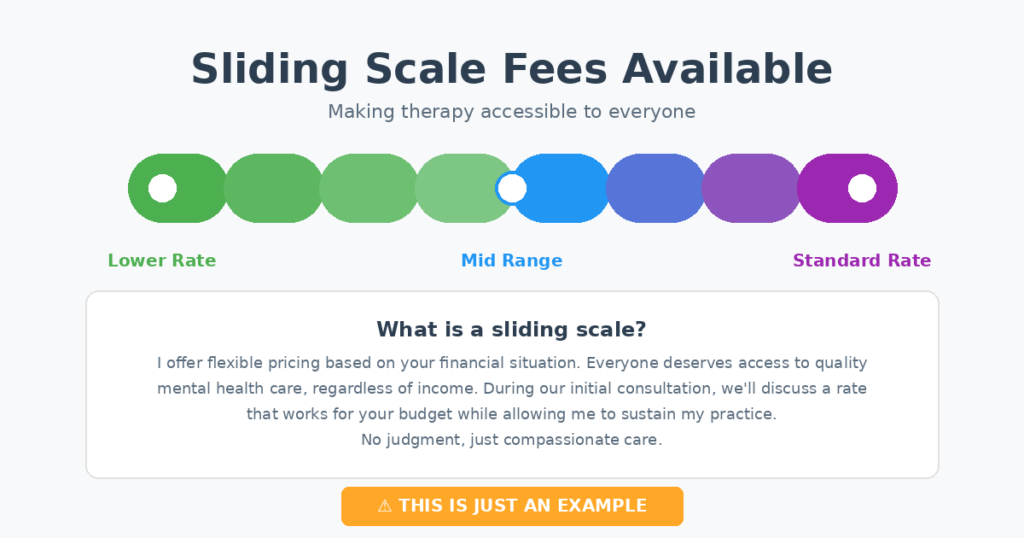
    Sliding scale online therapy platforms connect clients with therapists or counseling providers who offer flexible pricing based on financial circumstances. Instead of charging every client the same rate, a provider may adjust fees using factors like income, household size, employment status, or financial hardship.

    That flexibility matters because affordability is not just about the first session. It is about whether you can keep going long enough for therapy to help. A lower fee that lets you attend regularly is often more useful than a standard rate you can only afford once or twice.

    Online platforms make this process easier because they centralize the search. Rather than contacting dozens of providers one by one, you can often filter by budget, specialty, session type, and availability in one place. For people already feeling stressed or overwhelmed, that time savings is not minor. It can be the difference between getting support now and putting it off again.

    Why pricing varies so much from one platform to another

    If you have looked around, you have probably noticed that “affordable” means different things on different sites. Some platforms offer a true sliding scale through individual therapists. Others use membership models, discounted plans, intern-led care, or limited low-fee spots.

    That difference is worth paying attention to. A therapist offering a personalized reduced rate is not the same as a platform advertising low prices across the board. Both can help, but they work differently.

    In many cases, the final cost depends on who sets the fee. On some platforms, the therapist controls pricing. On others, the platform sets package rates and assigns providers within that structure. Neither model is automatically better. It depends on what matters most to you – more pricing flexibility, more predictable billing, or a wider choice of therapists.

    Geography can also affect rates, even online. Therapists are licensed by state, and session fees may reflect local market conditions, credentials, demand, and specialization. A provider with advanced training in trauma, couples therapy, or severe anxiety may charge more than a generalist, even with a sliding scale.

    What to look for in sliding scale online therapy platforms

    The best platform for you is not always the cheapest one. Price matters, but so do trust, therapist quality, and whether the matching process actually helps you find someone who fits.

    Start with transparency. A good platform should make it reasonably clear how pricing works. If sliding scale rates are available, you should be able to tell whether they are broadly offered, limited to select therapists, or based on an application or conversation. Vague language can lead to frustrating surprises later.

    Next, look at provider vetting. Affordability should not come at the expense of qualifications. You want to know that therapists are licensed, verified, and practicing within their area of expertise. This is especially important online, where trust often starts with a profile and a short intake form.

    Matching also matters more than people expect. Lower-cost care is valuable, but if you end up with a therapist who is not a good fit, you may stop going. Platforms that use thoughtful matching based on your goals, preferences, budget, and needs can save you from that cycle.

    It also helps to check whether you can switch providers without starting over completely. Sometimes the first match is right. Sometimes it is not. A platform that makes adjustments easier can reduce the pressure to get it perfect on day one.

    Questions to ask before you book

    Even on strong platforms, it is smart to ask a few direct questions. You are not being difficult. You are making an informed decision about your care.

    Ask how the sliding scale is determined. Some therapists have a formal range tied to income, while others make case-by-case decisions. Ask whether the fee is temporary or ongoing, and whether it may change after a set number of sessions.

    You can also ask about session length, cancellation policies, and how often clients usually meet. A lower per-session rate can still become expensive if the expected frequency does not fit your budget. Weekly therapy is helpful for many people, but every-other-week scheduling may be more realistic in some cases.

    If you plan to use insurance reimbursement, ask whether the therapist can provide a superbill. Not every online platform supports out-of-network documentation the same way. This does not mean the platform is a bad choice, only that you should know the logistics upfront.

    The trade-offs to keep in mind

    Sliding scale therapy can open doors, but it is not magic pricing with no limits attached. Providers still have bills, caseload limits, and only so many lower-fee openings available.

    That means availability may be tighter for reduced-rate appointments. You might find fewer evening slots, longer wait times, or a smaller pool of therapists at your target price point. This can be frustrating, especially if you need support quickly.

    There is also the question of consistency. Some clients find a long-term reduced rate and stay with the same therapist for months or years. Others start with a lower fee that later increases as their financial situation changes or as the provider updates their schedule. If you need a very specific monthly budget, ask about stability before you commit.

    Another trade-off is platform experience. Some lower-cost services rely on minimal matching, limited messaging support, or fewer customization options. That may be perfectly fine if your main goal is getting affordable care fast. But if you want more personalized guidance, the cheapest route may not feel best.

    How to tell if a platform is trustworthy

    Trust is a big part of online mental health care. You are sharing personal information, relying on professional judgment, and often making decisions while already under stress.

    A trustworthy platform is usually clear about who its providers are, what credentials they hold, how privacy is handled, and what kind of support is available if something goes wrong. It should not feel hard to understand the basics.

    Look for therapist bios that go beyond generic language. Good profiles explain specialties, approaches, licensure, and who the provider works with. That level of detail helps you judge fit and signals that the platform takes quality seriously.

    The intake process should also feel thoughtful, not random. A few meaningful questions about your concerns, goals, preferences, and budget can go a long way. Platforms built around careful matching often create a smoother path to care because they are not just filling open calendar slots.

    For many people, that combination of vetted professionals, transparent pricing, and smarter matching is what makes a platform feel usable rather than overwhelming. That is part of the reason platforms like TheraConnect are designed to connect people with qualified providers in a way that supports both affordability and fit. If you are ready to take the next step, you can Get Started at https://theraconnect.net/.

    When sliding scale online therapy platforms make the most sense

    These platforms can be especially helpful if you do not have strong insurance coverage, if your deductible is too high to make therapy feel affordable, or if you want the privacy and convenience of online sessions from home. They can also be a strong option if you live in an area with limited local providers or long waitlists.

    They are not only for people in crisis or extreme financial hardship. Many clients use sliding-scale care because their budgets are tight right now, they are paying for school, they are supporting family members, or they are between jobs. Needing therapy to fit your finances is normal.

    At the same time, if you need specialized services such as intensive outpatient care, emergency support, or medication management, a standard outpatient therapy platform may not be enough on its own. It depends on your needs. Sliding scale online therapy can be a strong part of care, but not always the full picture.

    Finding care you can actually keep

    The right therapy platform is not just the one with the lowest advertised number. It is the one that helps you find a qualified therapist, understand the cost clearly, and continue care without constant financial strain.

    If you are comparing options, give yourself permission to be practical. Ask about fees. Ask about fit. Ask what happens if your budget changes. Therapy should feel supportive, not financially mysterious.

    Affordable care is not lesser care. Often, it is simply care designed around the reality that people need mental health support and a workable payment option at the same time. That is a reasonable thing to look for, and a good place to begin.

    Sliding Scale Facebook 1 1024x538