
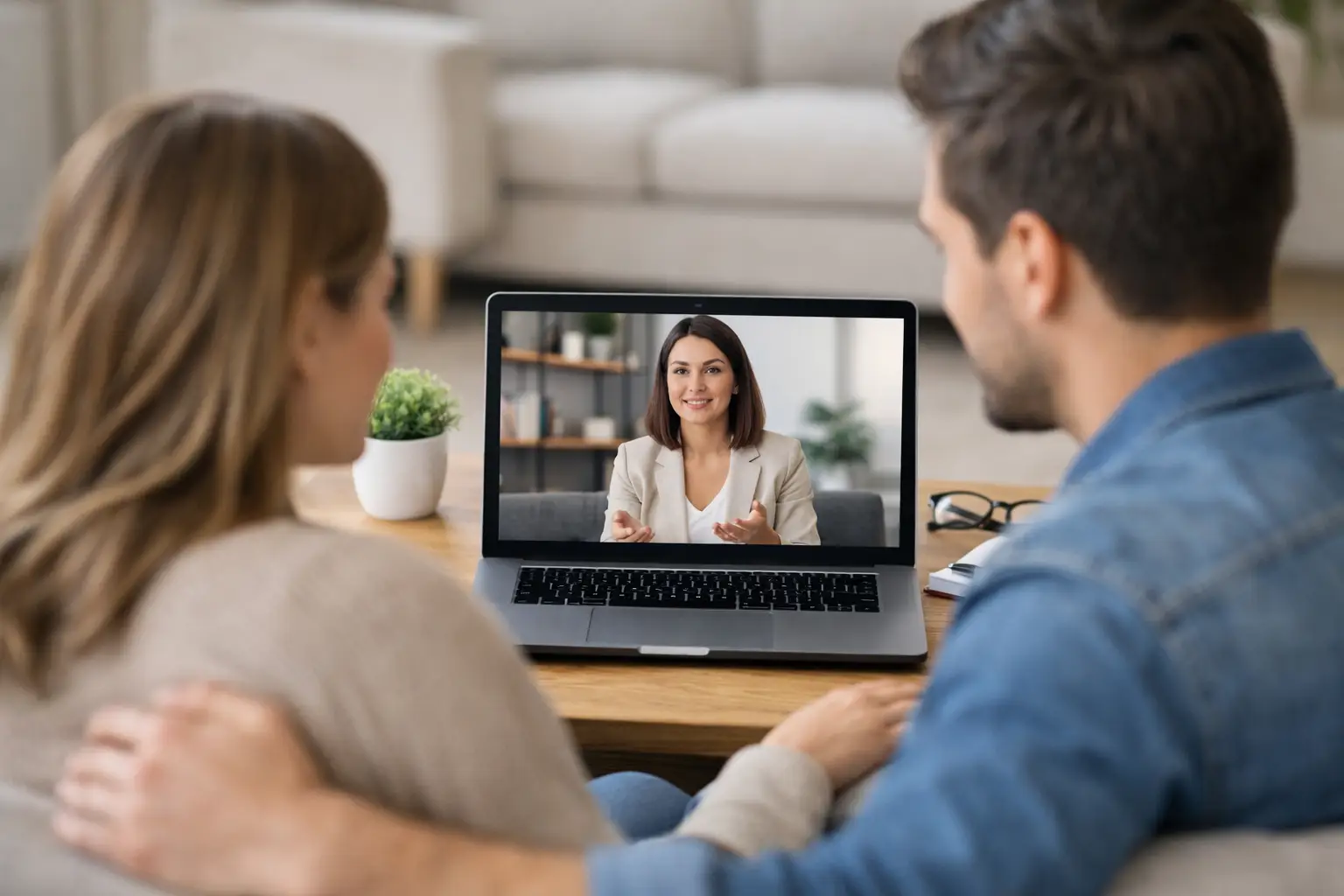
A lot of couples wait too long to get help. Not because they do not care, but because life is busy, schedules clash, and finding support can feel harder than the relationship problems themselves. That is why more people are searching for the best online couples therapy – not just a convenient option, but a realistic way to get qualified help without adding more stress.
Online couples therapy can work very well, but only if the fit is right. A flashy app or low weekly price does not automatically mean better care. What matters most is whether the therapist is qualified, whether both partners feel heard, and whether the format actually supports the kind of work your relationship needs.
What the best online couples therapy actually looks like
The best online couples therapy is not defined by one brand name or one platform. It is defined by the quality of the match. A strong online therapy experience usually starts with a licensed mental health professional who has real experience working with couples, not just general talk therapy.
That distinction matters. Couples counseling is a specialty. Helping two people communicate better, rebuild trust, navigate resentment, or decide what comes next takes training that goes beyond individual therapy skills. If a therapist mainly treats anxiety or depression and only occasionally sees couples, that may not be enough for a relationship that feels stuck.
The best fit also depends on what is bringing you in. A couple dealing with constant conflict may need a therapist who is highly structured and communication-focused. A couple trying to heal after betrayal may need someone experienced in trauma, attachment, and trust repair. If one partner is hesitant, it can help to work with a therapist who knows how to engage both people without taking sides.
Why online couples therapy works for many relationships
For many couples, online therapy removes the practical barriers that keep them from starting. There is no commute, fewer scheduling headaches, and more flexibility for partners who work different hours or live in different places for part of the year. For parents, busy professionals, and long-distance couples, that can make all the difference.
There is also a comfort factor. Some people open up more easily from home than they do in an office. Being in a familiar environment can lower tension enough to make difficult conversations more productive.
Still, online therapy is not the right fit for every situation. If there is ongoing abuse, coercion, or fear in the relationship, standard couples therapy may not be appropriate at all. In those cases, safety has to come first. Online sessions can also be harder if privacy is limited, internet access is unreliable, or one partner is not willing to participate honestly.
How to compare online couples therapy options
When people look for the best online couples therapy, they often start with price. That makes sense. Therapy should be affordable. But price only tells part of the story.
A lower-cost platform may offer quick access, but if the therapist is not well matched to your needs, you can lose time, money, and momentum. On the other hand, the most expensive option is not always the best either. What you want is a service that is transparent about therapist credentials, licensing, session format, and cost.
Look closely at how therapists are selected. Are providers vetted? Can you see their specialties? Is there a process for matching you with someone who works with couples specifically? These details matter more than marketing language.
It also helps to understand what you are paying for. Some services charge a recurring subscription that may or may not include live sessions. Others charge per appointment. Neither model is automatically better. It depends on how often you want to meet and whether you value messaging access between sessions.
Best online couples therapy: what to ask before you book
Before committing, ask a few practical questions. Is the therapist licensed in your state? Do they have direct experience with couples, marriage counseling, or relationship therapy? What approaches do they use – such as Emotionally Focused Therapy, the Gottman Method, or cognitive behavioral techniques for couples?
You should also ask how sessions are structured. Some therapists meet with both partners together every time. Others may occasionally meet with each person individually as part of the process. That can be helpful in some cases, but it should be clearly explained upfront.
It is also fair to ask what progress tends to look like. A trustworthy therapist will not promise to save the relationship or guarantee a specific outcome. Good couples therapy is not about forcing two people to stay together. It is about helping them communicate more clearly, understand patterns, and make healthier decisions.
Green flags that matter more than branding
A polished website can be reassuring, but the real green flags are simpler. You want clear information, realistic expectations, and licensed professionals with relevant training. You want a service that makes it easy to understand who you are seeing and why they may be a good fit.
Another good sign is flexibility without pressure. A platform should help you get started quickly, but it should not make you feel trapped in the wrong match. If the first therapist is not the right fit, there should be a straightforward path to try someone else.
Trust also comes from transparency. If pricing is hard to find, credentials are vague, or the service focuses more on sales than care, pay attention to that. Relationship therapy asks for vulnerability from both partners. The process should feel trustworthy from the beginning.
Common mistakes couples make when choosing care
One common mistake is waiting until the relationship feels like an emergency. Therapy can help during high-conflict periods, but it often works best when couples seek support before resentment has fully hardened. If you are having the same fight over and over, feeling distant, or struggling to recover from a breach of trust, those are enough reasons to start.
Another mistake is choosing based on convenience alone. Evening sessions and easy booking matter, but they should not replace clinical fit. A therapist who understands your specific concerns is usually worth a little extra effort.
Couples also sometimes expect therapy to feel smooth right away. The first few sessions can be uncomfortable. That does not mean it is failing. What matters is whether the therapist creates a balanced, respectful space and helps both of you move toward more honest, useful conversations.
Finding affordable, qualified support online
Affordable care matters, especially for couples already juggling rent, childcare, work, and everything else. The good news is that online therapy often expands your options. You may be able to find a qualified provider at a rate that feels more manageable than traditional in-person care.
That said, affordability should not mean lowering the bar on quality. The best online couples therapy combines access with trust. It should be easy to start, but it should also be grounded in real professional standards.
This is where a matching platform can be especially helpful. Instead of spending hours searching profiles and guessing who might be right, couples can use a service designed to connect them with vetted providers based on needs, preferences, and budget. TheraConnect was built around that idea – making quality mental health care easier to access while helping people find a therapist who is actually a strong fit.
When the right therapist matters more than the right platform
People often ask which service is the best, but a better question is which therapist is best for your relationship. Platforms can make the search easier, and that matters. But the relationship you build with the therapist is what shapes the work.
A good couples therapist helps both partners slow down the usual cycle, hear what is underneath the conflict, and respond differently. They do not referee every argument or hand out one-size-fits-all advice. They help you understand the pattern you are stuck in and what it will take to change it.
That is why the best online couples therapy is rarely about finding the most popular name. It is about finding qualified, affordable care that fits your relationship as it exists right now.
If getting help has been sitting on your to-do list for months, this may be the moment to stop researching and take the first step. The right support does not make every conversation easy, but it can make change feel possible again.
Explore More Ways to Grow Your Practice
Looking for more ways to expand your reach and connect with clients?
- Join an Online Therapist & Coach Directory
- Psychology Today Alternatives for Therapists
- Mental Health Coach Platforms
Ready to get started? Apply to become a TheraConnect Founding Provider
Leave a Reply