

Choosing a therapist can feel personal before you have even said a word in session. You may be sharing experiences you have not told anyone else, so therapist credential verification is not just paperwork. It is one practical way to confirm that a provider has the education, training, and legal authority to offer the care they describe.
Credentials cannot tell you everything about what therapy with a person will feel like. They can, however, give you a grounded place to start. When you understand what to check and what each credential means, you can spend less time guessing and more time finding care that feels right for you.
What therapist credential verification actually means
Therapist credential verification is the process of confirming that a mental health professional is qualified to practice. In most cases, this includes checking their professional license, the state where that license is active, their education, and whether they are permitted to provide telehealth services to someone in your location.
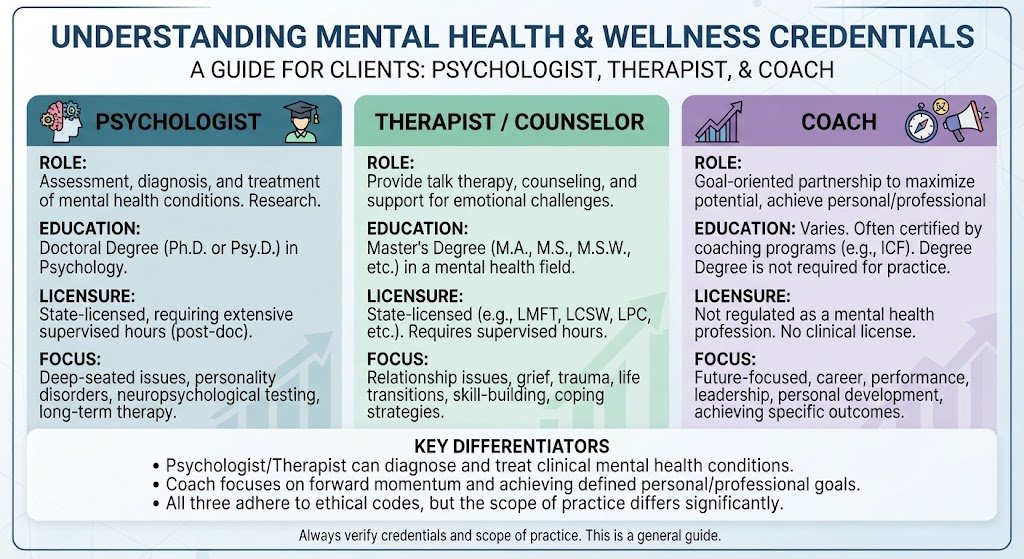
A verified provider should be able to clearly share their full name, professional designation, license type, and the state or states where they are licensed. Depending on their role, you may see letters such as LPC, LMHC, LCSW, LMFT, psychologist, or psychiatrist after their name. These titles reflect different educational paths and scopes of practice.
For example, a licensed clinical social worker commonly holds a master’s degree in social work and clinical licensure. A licensed marriage and family therapist has specialized education in relationship and family systems. Psychologists generally hold doctoral degrees, while psychiatrists are medical doctors who can evaluate medication needs. None of these titles automatically make one provider better than another. The right choice depends on the support you are seeking.
Why verification matters before online therapy
Virtual therapy makes it possible to connect with qualified care from home, which can be especially helpful for people with busy schedules, limited transportation, or few local options. It also means that location and licensing rules require extra attention.
In the United States, mental health licenses are usually issued by states. A therapist may be highly qualified but still may not be able to provide therapy to a client who is physically located in a state where they are not licensed or otherwise authorized to practice. This is generally based on where the client is during the session, not where the therapist’s office is located.
Verification also helps protect you from misleading titles. Terms like “coach,” “counselor,” or “therapist” can be used differently depending on the setting and state. A provider can offer valuable support without holding a clinical license, but they should be transparent about their training, services, and limits. If you are seeking treatment for anxiety, depression, trauma, relationship distress, or another mental health concern, understanding that distinction helps you make an informed choice.
A platform’s screening process can reduce the work you need to do alone. At TheraConnect, provider vetting and thoughtful matching are designed to help clients begin with qualified professionals while still giving them a meaningful choice in their care.
What a thorough verification process should check
The strongest verification process looks beyond a profile photo and a list of specialties. It checks whether a license is current and active, whether the provider is authorized to practice in the relevant state, and whether their listed credentials match official professional records.
It should also consider any public disciplinary history where applicable. A past complaint does not always provide the full story, and clients should avoid making assumptions from a record without context. Still, public licensing information can help you recognize serious concerns, such as a suspended or revoked license.
Education and clinical training matter, too. Graduate programs, supervised clinical hours, and licensing examinations all play a role in preparing a provider for independent practice. Providers may also pursue additional training in areas such as trauma-focused therapy, perinatal mental health, grief, substance use, or couples counseling.
Specialized training can be useful when it aligns with your needs, but it should not be treated as a promise of results. Therapy is collaborative. A clinician’s approach, your goals, the consistency of sessions, and the relationship you build together all affect the experience.
How to review a therapist’s credentials yourself
You do not need to become an expert in licensing regulations to ask clear, reasonable questions. Start by reviewing the provider’s professional title and the state where they are licensed. If something is unclear, it is appropriate to ask directly: “What is your license type, and are you able to see clients who are located in my state?”
You can also ask about their experience with the concern bringing you to therapy. Someone may be fully licensed yet not be the best fit for a specific issue. If you are looking for help with panic attacks, for instance, ask how they typically work with anxiety and what approach they use. If you are navigating a major life change, ask whether they have worked with clients in similar transitions.
Be alert to vague answers about qualifications, pressure to commit before you have your questions answered, or claims that sound too certain. Ethical therapists do not guarantee a cure, promise quick transformation, or present themselves as the only person who can help you. They should be able to explain their fees, cancellation policy, privacy practices, and how they handle urgent safety concerns.
You may also want to ask whether they accept insurance, offer sliding-scale options, or can provide a superbill for possible reimbursement. Affordability is part of access. A therapist who is clinically well qualified but consistently outside your budget may not be a sustainable choice, and that is a valid factor in your decision.
Credentials and connection are both necessary
Verification establishes a baseline of trust. It does not replace the human side of therapy. After your first few sessions, consider whether you feel heard, respected, and able to speak honestly. Notice whether your therapist explains their recommendations in a way you understand and welcomes your feedback.
Sometimes a qualified therapist is simply not the right match. Their communication style may feel too structured or too open-ended. Their availability may not work with your schedule. You may need someone with deeper experience in a particular area, or you may prefer a therapist who shares an aspect of your identity or life experience. Changing therapists in those circumstances is not a failure. It is part of taking your care seriously.
If you have immediate concerns about safety, ethical behavior, or whether a provider is practicing within their scope, pause treatment and seek guidance from the appropriate licensing authority or a trusted health professional. For an urgent mental health crisis, contact emergency services or a crisis resource in your area.
Finding therapy should not require blind trust. Credentials give you evidence that a provider has met professional standards; a good conversation gives you a sense of whether you can work together. Check both, then give yourself permission to choose care that feels qualified, clear, and genuinely supportive. When you are ready, get started with the questions that matter most to you.
Your Expertise Deserves to Be Found.
People are searching for support. Make it easier for them to discover you.
Leave a Reply