
A teletherapy appointment can happen from your bedroom, parked car, office, or kitchen table. That convenience is valuable, but it can also make it easier to treat therapy like just another video call. Knowing how to prepare for teletherapy session helps you protect the time, reduce distractions, and arrive ready to talk about what is actually on your mind.
You do not need to have the perfect space, a carefully written life story, or a clear answer to every question before you begin. A little practical preparation is enough. The goal is not to perform well in therapy. It is to create conditions where you can be honest, present, and supported.
How to Prepare for a Teletherapy Session Before You Log In
Start by choosing a location where you can speak as openly as possible. Privacy matters because therapy often involves subjects you may not want roommates, children, coworkers, or family members to overhear. A room with a closed door is ideal, but it is not the only option. You might use headphones in a private corner, sit in your car somewhere safe and stationary, or schedule your appointment during a time when the house is quieter.
If another person will be nearby, consider a simple boundary: let them know you have an appointment and need uninterrupted time. You do not owe anyone details about why. If privacy is limited, tell your therapist at the start of the session. They can help you decide what feels safe to discuss and may adjust the conversation accordingly.
Think about comfort, too. Sit somewhere you can remain for the length of the appointment without feeling cramped or exposed. Keep water nearby, and have tissues available if that feels reassuring. Small details can make it easier to stay engaged when a difficult topic comes up.
Test the practical details
Technical issues happen, and they do not mean you have done anything wrong. Still, a quick check can prevent your first few minutes from being spent troubleshooting. Charge your device, make sure you know how to access the session platform, and test your internet connection if possible. Headphones can improve sound quality and offer an extra layer of privacy.
Have a backup plan in mind. For example, know whether your therapist will call, message, or reschedule if the video connection drops. If your Wi-Fi is unreliable, moving closer to the router or using a phone hotspot may help. If technical problems are common where you live, mention that early so you and your therapist can plan around it.
Try to log in five to 10 minutes before your session rather than exactly at the start time. That brief buffer lets you settle in without rushing.
Give Yourself a Transition Into Therapy
One challenge of online care is that there may be no commute between daily life and therapy. You can go from answering emails, making dinner, or helping a child with homework directly into a conversation about grief, anxiety, or relationship stress. That abrupt switch can make it hard to access your thoughts at first.
Create a short transition ritual before your appointment. You might silence notifications, take three slow breaths, make tea, or sit quietly for a few minutes. The routine does not need to be elaborate. It simply tells your attention that this time is different from the rest of the day.
If you are coming from a hectic moment, say so. A therapist does not expect you to arrive calm and organized. Starting with, “I am having trouble shifting gears today,” is useful information. Therapy can begin right there.
Decide What You Want to Bring Up, Without Writing a Script
You do not need an agenda for every session. Sometimes the most useful conversation begins with what happened that morning or with the feeling you cannot quite name. Still, many people find it helpful to jot down a few notes beforehand, especially if they tend to forget concerns once the session starts.
Consider what has felt hardest since your last appointment. Maybe you noticed a recurring worry, had an argument, struggled to sleep, avoided something important, or experienced a moment that went better than usual. Progress belongs in therapy, too. Sharing what helped can reveal strengths and patterns worth building on.
A few prompts can help when you are unsure where to start:
- What has been taking up the most emotional space lately?
- Is there a situation I keep replaying or avoiding?
- What do I wish someone understood about my experience?
- What would feel even slightly better by the next session?
You do not have to cover everything at once. Therapy is a process, not a test you can fail by forgetting a topic. If something feels urgent, say that at the beginning so your therapist can help prioritize the time.
Be Honest About What Feels Awkward
Teletherapy may feel natural quickly, or it may take a few sessions to get used to seeing yourself on camera and talking about personal subjects through a screen. Either response is normal. Some people feel safer at home; others miss the separation and structure of an in-person office.
Bring up what is not working. You can ask your therapist to slow down, repeat a question, explain an approach, or spend more time on a particular concern. You can also say that you are unsure about the fit. A strong therapeutic relationship is built through openness, not by pretending every method or conversation feels comfortable.
It also helps to set realistic expectations. One session may bring relief or clarity, but meaningful change often takes time. Some appointments may feel focused and productive, while others feel emotional, messy, or quieter than expected. That does not mean therapy is ineffective. It may mean you are working with something that deserves patience.
Protect Your Time After the Session
When possible, avoid scheduling an intense task immediately after therapy. You may leave feeling lighter, tired, reflective, or emotionally activated. Give yourself 10 to 20 minutes to decompress before returning to work, driving somewhere, or taking care of other people.
You might write down a takeaway, a question to revisit, or any practice your therapist suggested. Then choose one gentle next step: take a walk, eat something nourishing, sit outside, or simply let yourself be quiet. There is no requirement to process every insight right away.
If a session brings up strong feelings, use the coping strategies you and your therapist have discussed. For immediate danger or thoughts of harming yourself or someone else, call or text 988 in the United States for the Suicide & Crisis Lifeline, call 911, or go to the nearest emergency room. Teletherapy is meaningful support, but emergency situations require immediate crisis care.
Let Preparation Serve You, Not Pressure You
The best preparation is the kind that makes showing up easier. A private spot, a charged device, a few notes, and a moment to breathe can go a long way. But if your day falls apart and you join from a less-than-perfect setting, you can still have a valuable session.
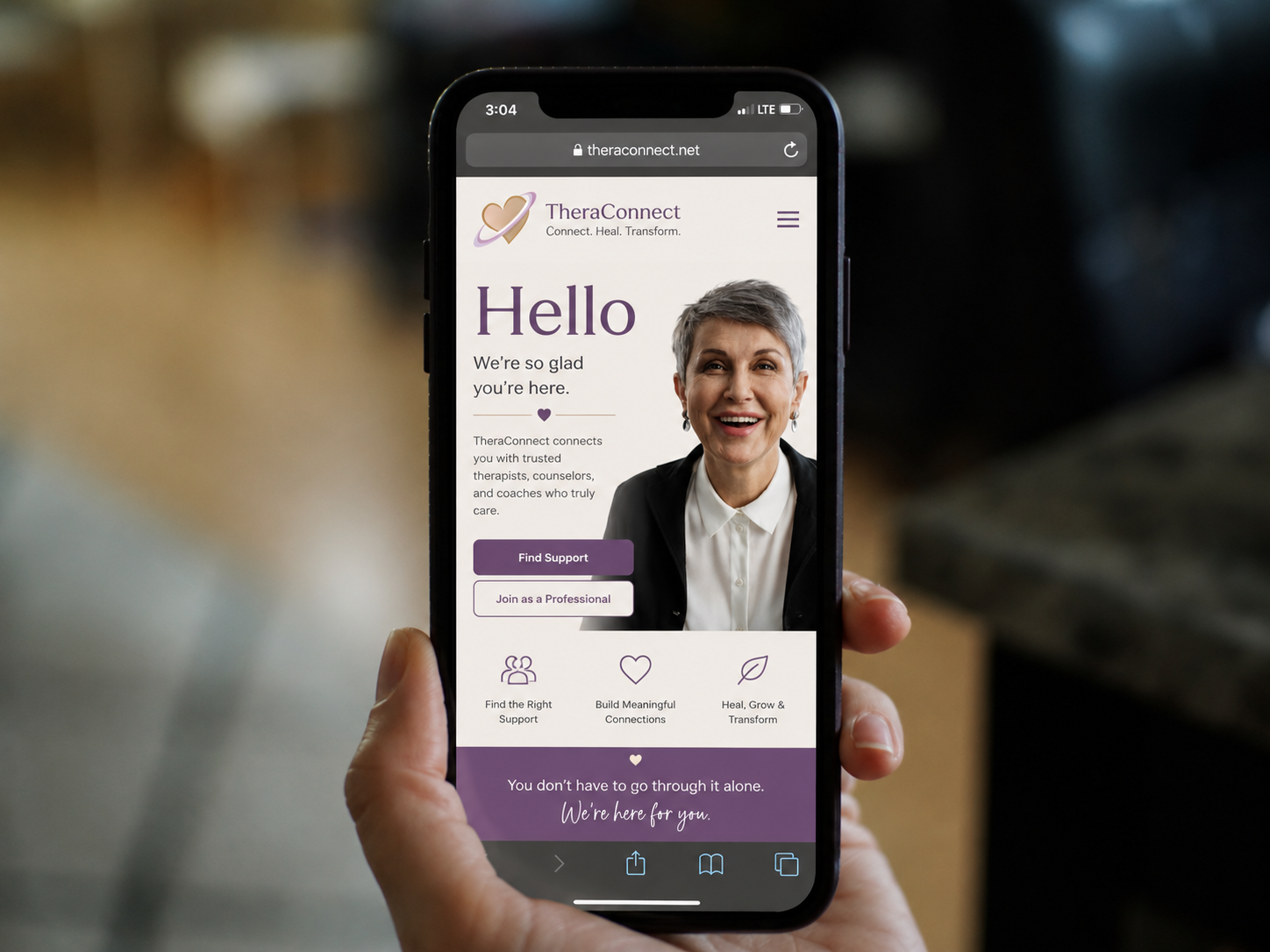
Finding a therapist whose approach, availability, and cost fit your needs can make that first step feel more manageable. TheraConnect helps connect people with qualified mental health professionals so care can feel more accessible and personal. When you are ready, get started with the simple act of setting aside one protected hour for yourself.
Your Expertise Deserves to Be Found.
People are searching for support. Make it easier for them to discover you.
Leave a Reply