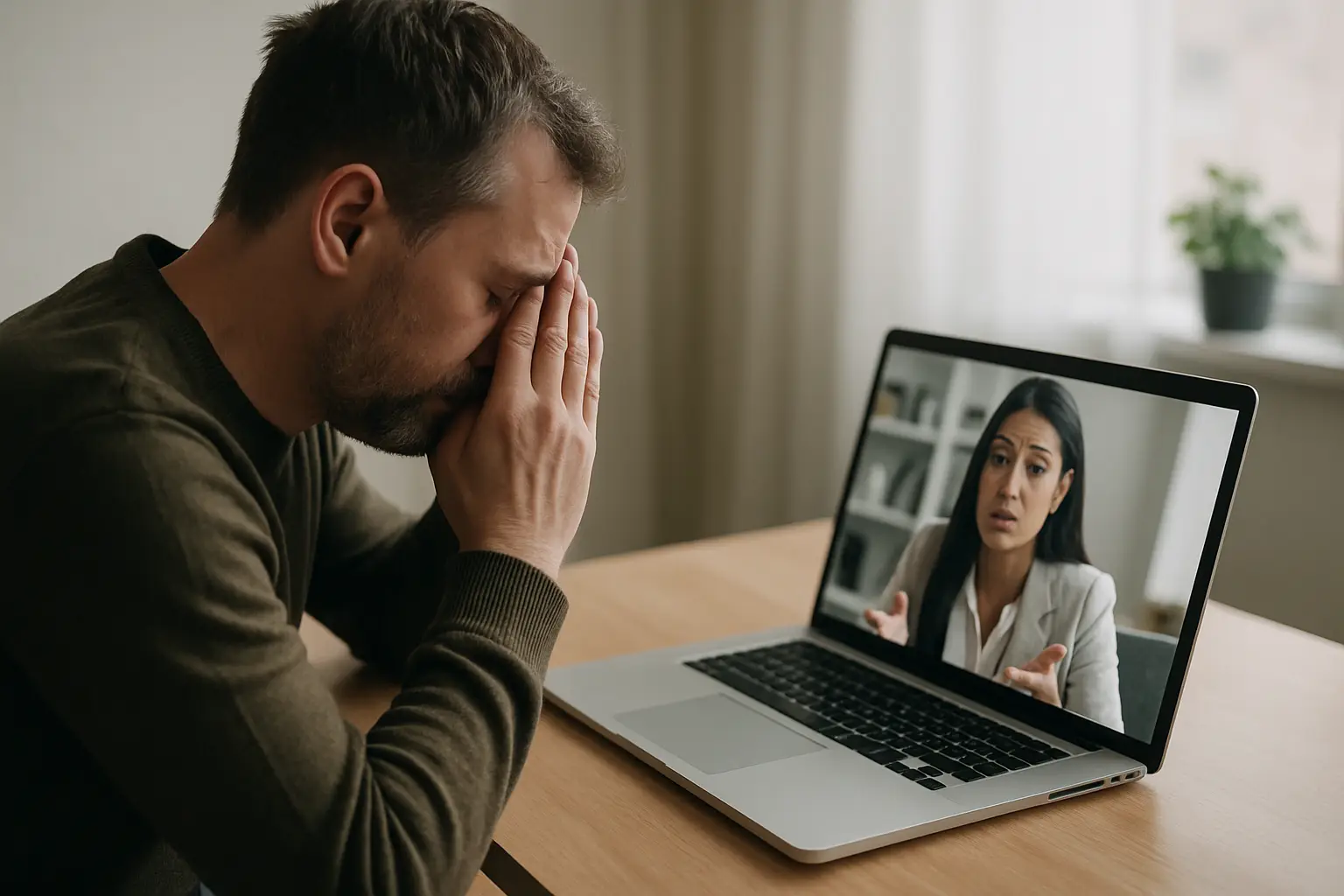
Some people start looking for trauma therapy after a big, obvious event. Others start because they are tired of feeling on edge, shutting down in relationships, or losing hours to looping memories they cannot explain. Either way, choosing online therapy for trauma can feel surprisingly high-stakes – because you are not just picking a service. You are choosing who you will trust with the parts of your story that still hurt.
The good news is that effective trauma therapy absolutely can happen online. The more complicated news is that the “best online therapy for trauma” depends on your symptoms, your history, your safety needs, and the kind of support you respond to. This guide walks you through what actually matters so you can make a confident choice.
What “best online therapy for trauma” really means
“Best” is not a brand name. It is a match between (1) a qualified trauma-informed clinician, (2) a method that fits your nervous system and goals, and (3) a setup that makes it possible to show up consistently.
For some people, the best online therapy for trauma is structured work like Cognitive Processing Therapy because they want tools and a clear roadmap. For others, it is a steadier, relational approach that focuses on stabilization, boundaries, and learning to feel safe in the body again before touching any difficult memories.
There are also practical realities. If you cannot afford weekly sessions, the “best” option is not the one with the fanciest marketing – it is the one you can sustain long enough to make progress.
When online trauma therapy is a great fit (and when it is not)
Online therapy tends to work well for trauma when you have enough stability to tolerate strong emotions between sessions and you can create a private space to talk. It also helps if you feel safer at home than in an office, or if transportation, disability, childcare, or work hours make in-person care hard.
Online care may not be the best fit if you are in immediate danger, dealing with active domestic violence where privacy cannot be protected, or having frequent suicidal urges with a plan and intent. In those situations, you deserve higher-touch support right away. Online therapy can still be part of the long-term plan, but immediate safety comes first.
If you are unsure, that uncertainty itself is useful information to bring to an intake call. A solid trauma clinician will ask direct questions about safety, supports, and what happens for you after you talk about hard things.
What to look for in a trauma therapist online
Trauma treatment is not just “talking about the past.” It is skillful work that protects your window of tolerance – the zone where you can process without getting overwhelmed or shutting down.
A strong online trauma therapist will usually do three things early on. First, they will help you build stability: sleep, grounding skills, boundaries, and ways to handle triggers. Second, they will collaborate with you on pace and consent. Third, they will check how your body responds, not just what you think about what happened.
Credentials matter, too. In the US, look for licensed professionals such as psychologists (PhD/PsyD), licensed clinical social workers (LCSW), licensed professional counselors (LPC), marriage and family therapists (LMFT), or psychiatrists (MD/DO) if medication evaluation is part of your care. A trauma focus is often shown through additional training and supervision, not only a general license.
If a therapist promises to “erase” trauma quickly, pushes you to disclose everything in the first session, or dismisses your concerns about feeling flooded, those are red flags. Trauma work should feel brave, not reckless.
Evidence-based approaches that work well online
Different therapies help different trauma patterns. You do not need to memorize acronyms, but it helps to recognize what a therapist is offering and why.
EMDR (Eye Movement Desensitization and Reprocessing)
EMDR is often used for PTSD and distressing memories. Many clinicians successfully provide EMDR online using modified bilateral stimulation (like tapping or guided eye movements on-screen). The trade-off is that some people feel safer doing their first EMDR sessions in person, especially if they dissociate or lose time. If dissociation is part of your experience, ask the therapist how they assess and manage it.
Cognitive Processing Therapy (CPT) and Trauma-Focused CBT
These approaches focus on how trauma impacts beliefs like “It was my fault” or “I cannot trust anyone.” They are structured and skills-based, which many people appreciate in telehealth. If you want homework, worksheets, and measurable progress, this may feel like a good fit.
Prolonged Exposure (PE)
PE is highly effective for PTSD, but it is not for everyone at every moment. It involves gradually approaching trauma memories and avoided situations in a planned way. Online PE can work well when you have a stable environment and a therapist who closely monitors your distress and keeps the pace appropriate.
Somatic and nervous-system-focused therapy
Many trauma symptoms live in the body: panic, nausea, chronic tension, startle responses, shutdown, numbness. Somatic approaches help you track sensations, learn regulation skills, and gently expand your capacity. Online sessions can be surprisingly effective here because you are practicing in the same environment where triggers often happen.
Skills-first options for complex trauma
If you have a long history of relational trauma, childhood abuse, or repeated harm, your work may focus first on safety, emotion regulation, and relationship patterns. Modalities like DBT-informed therapy, parts work (often IFS-informed), and attachment-focused therapy can be a good match online. The key is having a clinician who understands complex trauma and does not force a one-size-fits-all timeline.
Questions to ask before you book your first session
A good match often comes down to a few concrete details. You can ask these in an intake form, a consultation call, or your first session.
Ask what trauma training they have and what approaches they use most often. Ask how they decide pacing – and what they do if you feel overwhelmed in session. Ask how they handle dissociation, self-harm urges, or panic attacks if those are part of your history.
Also ask about logistics that affect outcomes: session length, frequency, cancellations, messaging policies, and whether they offer sliding-scale rates or can help you plan a realistic schedule. Consistency is a bigger predictor of success than people think.
How to know if online trauma therapy is working
Progress in trauma therapy can be subtle. Sometimes you feel worse before you feel better because you are finally paying attention to what you have been avoiding. That can be normal, but therapy should still feel contained and purposeful.
Signs it is working include fewer intense spikes after triggers, quicker recovery when you are activated, less avoidance, improved sleep, and more ability to feel connected to yourself and others. You might notice that memories feel more “in the past” than “happening now.”
If you consistently feel destabilized for days after sessions, or you are losing functioning at work or at home, that is not something to push through alone. Bring it up. A trauma-informed therapist will adjust the approach, spend more time on stabilization, or reconsider whether a different modality is a better fit.
Affordability without cutting corners
Trauma therapy can be life-changing, but it can also be expensive. If cost is a barrier, focus on finding a provider who is transparent and willing to plan with you.
Some clinicians offer sliding-scale rates, shorter sessions, or every-other-week therapy with structured support in between. Group therapy can also be a powerful, lower-cost option for certain trauma experiences, especially when the group is well-run and clearly focused.
Be cautious with “too cheap to be true” offers that do not clearly state licensing, clinical oversight, or privacy standards. Affordability matters, and so does competence.
If you want help getting matched with a vetted therapist based on your needs and budget, you can also check out TheraConnect, where clients can sign up free and get connected with qualified providers.
Safety and privacy: the unglamorous dealbreakers
Trauma therapy requires a sense of safety, and that includes digital safety. Before you start, think through where you will take sessions and what privacy you realistically have. Headphones can help, as can a white-noise machine outside the door. Some people take sessions in a car for privacy, but it is worth considering whether that feels regulating or stressful for you.
It is also reasonable to ask what telehealth platform is used, how records are stored, and what happens if the connection drops. A competent provider will have a plan.
Choosing a path that fits you
If you want a more structured, symptom-focused approach for PTSD, start by looking for clinicians trained in EMDR, CPT, PE, or trauma-focused CBT. If your trauma is complex, relational, or tied to long-term patterns, you may do better with a phase-based approach that prioritizes stabilization and attachment, then moves into deeper processing when you have the support and skills to tolerate it.
And if you are worried that you will “do it wrong,” take that worry seriously but not literally. Most people do not fail therapy. They either (1) did not get the right match, (2) did not have enough support to stay consistent, or (3) went too fast. Those problems are fixable.
Trauma healing is rarely about forcing yourself to relive the worst moments of your life. It is more often about building enough safety and choice that your mind and body do not have to keep sounding the alarm. You deserve a therapist who can help you do that steadily, respectfully, and on terms that work in your real life.
Your Expertise Deserves to Be Found.
People are searching for support. Make it easier for them to discover you.
Leave a Reply