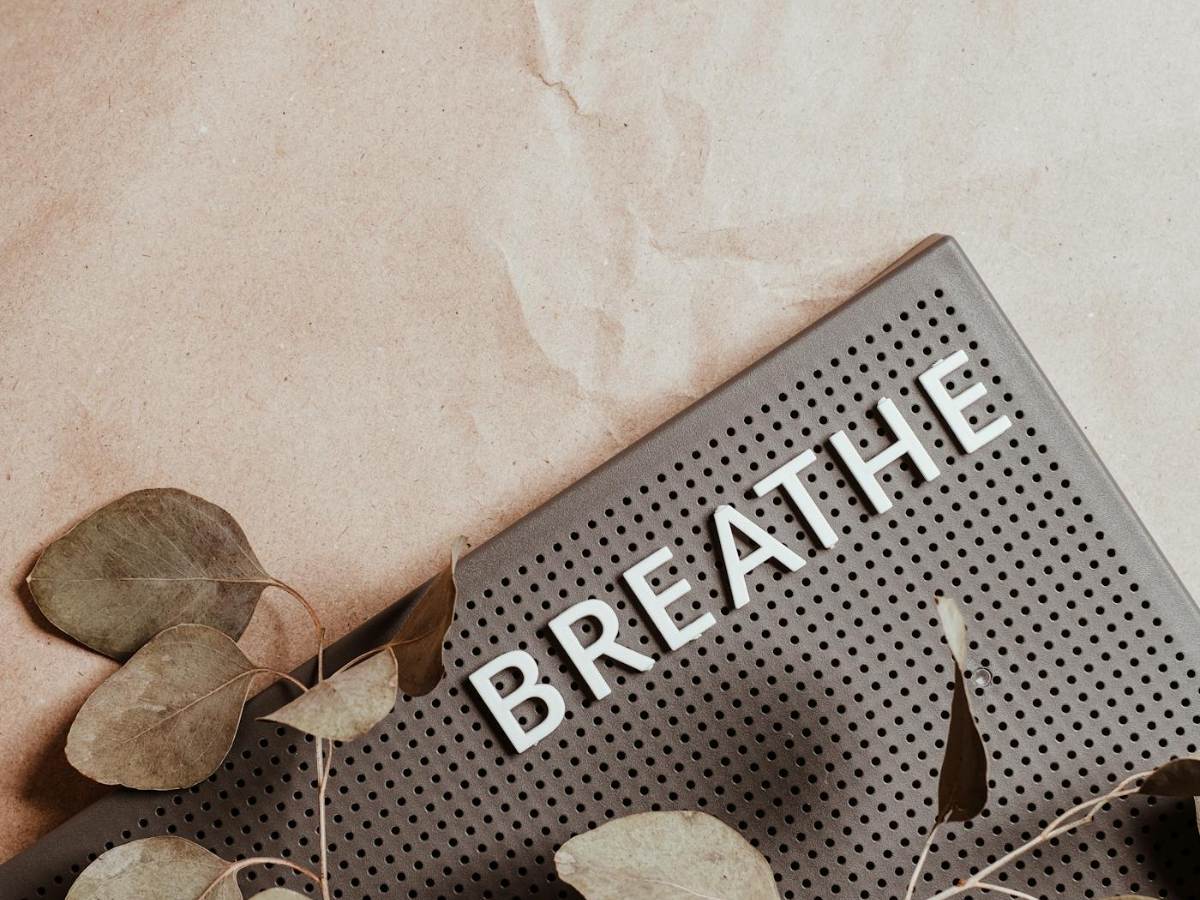
Your breath is both automatic and voluntary—happening without thought yet responsive to conscious control. This unique quality makes breathwork one of the most accessible and powerful tools for managing anxiety, stress, and overall mental health.
This comprehensive guide explains the science behind how breathing affects your nervous system, provides specific techniques you can use immediately, and shows you how to integrate breathwork into your daily life for lasting mental health benefits.
The Science of Breath and Mental Health
Breathing is intimately connected to your nervous system through a bidirectional relationship. Your emotional state affects your breathing patterns, and changing your breathing patterns directly influences your emotional state.
When anxious or stressed, breathing becomes shallow, rapid, and centered in the chest. This upper-chest breathing signals danger to your nervous system, maintaining or amplifying the stress response even when no actual threat exists.
Conversely, slow, deep breathing activates your parasympathetic nervous system—your body’s rest-and-digest mode. This physiological shift reduces heart rate, lowers blood pressure, decreases cortisol, relaxes muscles, and calms the mind.
The vagus nerve, a primary component of your parasympathetic nervous system, runs through your diaphragm. Deep diaphragmatic breathing directly stimulates this nerve, triggering the relaxation response. This is why breathing exercises produce such immediate and noticeable effects on anxiety and stress.
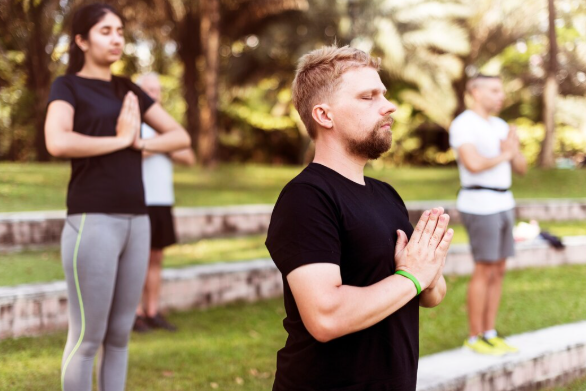
Why Breathwork Works for Anxiety
Anxiety often involves a hyperactive sympathetic nervous system—your fight-or-flight response stuck in overdrive. Physical symptoms like a racing heart, rapid breathing, and muscle tension reinforce mental anxiety, creating a self-perpetuating cycle.
Breathwork interrupts this cycle by directly influencing your physiology. You can’t always control your thoughts or immediately calm your emotions, but you can control your breath. By changing your breathing pattern, you send signals to your nervous system that it’s safe to relax.
Additionally, breathwork provides a concrete focus point. When anxiety spirals into catastrophic thinking or overwhelming worry, concentrating on breath brings attention back to the present moment and something within your control.
Research demonstrates that regular breathwork practice reduces baseline anxiety levels, improves stress resilience, enhances emotional regulation, decreases panic symptoms, and improves overall mental well-being.
Understanding Different Breathing Patterns
- Chest breathing (shallow breathing): Breathing primarily in the upper chest, common during stress and anxiety. This pattern doesn’t fully oxygenate your body and can maintain stress responses.
- Diaphragmatic breathing (belly breathing): Breathing deeply into the abdomen, allowing your diaphragm to fully expand and contract. This natural, efficient breathing pattern promotes relaxation.
- Controlled breathing: Intentionally regulating breath rhythm, depth, or retention to achieve specific physiological or mental states.
- Hyperventilation: Rapid, shallow breathing that expels too much carbon dioxide, potentially causing dizziness, tingling, or increased anxiety. This pattern sometimes occurs during panic attacks.
Basic Breathwork Techniques
Diaphragmatic Breathing (Belly Breathing)
This foundational technique forms the basis for most breathwork practices. Place one hand on your chest and one on your belly. Breathe in through your nose, directing the breath down into your abdomen so your belly rises while your chest remains relatively still. Exhale slowly through your nose or mouth, feeling your belly fall. Practice for 5-10 minutes, gradually making breaths deeper and slower. This simple technique activates the relaxation response and can be used anytime, anywhere.
4-7-8 Breathing
Developed by Dr. Andrew Weil, this technique is particularly effective for anxiety and insomnia. Breathe in through your nose for 4 counts. Hold your breath for 7 counts. Exhale completely through your mouth for 8 counts. Repeat the cycle 3-4 times. The extended exhale and breath retention activate the parasympathetic nervous system powerfully. Many people find this technique helpful for falling asleep or managing acute anxiety.
Box Breathing (Square Breathing)
Used by Navy SEALs and other high-stress professionals, box breathing calms the nervous system and improves focus. Breathe in for 4 counts. Hold for 4 counts. Exhale for 4 counts. Hold for 4 counts. Repeat for 5-10 cycles. The equal timing creates a sense of balance and control. You can adjust the count length based on your comfort—some people prefer 3 or 5 count boxes.
2:1 Breathing
This simple ratio—exhaling for twice as long as you inhale—effectively calms anxiety. Breathe in for a count of 3. Exhale for a count of 6. Adjust the specific count to your comfort, maintaining the 2:1 ratio. Extended exhalation signals safety to your nervous system and slows your heart rate. This technique works well during moments of acute stress.
Coherent Breathing
Also called resonant breathing, this technique synchronizes heart rate, blood pressure, and breathing for optimal nervous system balance. Breathe in for 5 counts and out for 5 counts, creating a breathing rate of approximately 6 breaths per minute. Continue for 5-20 minutes. This slow, rhythmic breathing maximizes heart rate variability—a marker of nervous system flexibility and resilience. Regular practice builds stress resilience over time.
Alternate Nostril Breathing (Nadi Shodhana)
This yogic breathing technique balances the nervous system and calms the mind. Using your right thumb, close your right nostril. Inhale through your left nostril. Close your left nostril with your ring finger, release your right nostril, and exhale through the right side. Inhale through the right nostril, then close it and exhale through the left. This completes one cycle. Continue for 5-10 cycles. Many people find this technique particularly centering and balancing, useful for anxiety accompanied by racing thoughts.
Breath Counting
This mindfulness-based technique combines breath awareness with mental focus. Sit comfortably and breathe naturally. Count each exhale, starting at 1 and continuing to 10. When you reach 10, start over at 1. If you lose count, simply start again at 1. This practice trains attention while promoting relaxation. It’s excellent for quieting mental chatter and developing present-moment awareness.
Breathwork for Specific Situations
- Acute anxiety or panic: Use 4-7-8 breathing or any technique with extended exhalation. Focus on making each exhale longer than your inhale to activate the calming response.
- Difficulty falling asleep: Try 4-7-8 breathing or coherent breathing. The relaxation induced by these techniques helps quiet the mind and prepare the body for sleep.
- Pre-presentation or performance anxiety: Box breathing helps calm nerves while maintaining alertness. Practice in the minutes before you need to perform.
- Anger or frustration: Deep belly breathing with extended exhalation helps discharge the physical energy of anger while calming your nervous system.
- Racing thoughts: Breath counting or alternate nostril breathing provides a focus point that interrupts rumination and brings attention to the present.
- Chronic stress: Regular practice of coherent breathing, 10-20 minutes daily, builds resilience and lowers baseline stress levels over time.
- Morning anxiety: Start your day with 5-10 minutes of diaphragmatic breathing to set a calm tone before stress accumulates.
Building a Regular Breathwork Practice
- Start with just 5 minutes daily: Consistency matters more than duration. Five minutes every day creates more benefit than 30 minutes once a week.
- Choose a specific time: Morning, before bed, or during lunch breaks work well. Anchoring practice to an existing routine increases consistency.
- Create a dedicated space: While you can practice anywhere, having a specific, comfortable spot signals to your brain that it’s time for breathwork.
- Use guidance initially: Apps, videos, or audio recordings help you maintain technique and timing until practice becomes natural.
- Notice effects: Pay attention to how you feel before and after practice. Noticing benefits reinforces motivation and helps you understand which techniques work best for you.
- Integrate into daily life: Beyond dedicated practice, use breath techniques throughout your day—waiting in line, sitting in traffic, or during work breaks.
- Be patient: Some techniques feel awkward initially. With practice, they become natural and automatic responses to stress.
Common Breathwork Challenges
- Difficulty breathing deeply: Many people habitually breathe shallowly. If deep breathing feels unnatural, start with normal breathing and gradually increase depth over days and weeks.
- Lightheadedness or dizziness: This usually indicates breathing too quickly or too deeply. Slow down, breathe more gently, or return to normal breathing until symptoms pass.
- Increased anxiety initially: Sometimes focusing on breath makes people more aware of anxiety. Start with very brief practices (1-2 minutes) and gradually increase duration.
- Mind wandering: This is completely normal. When you notice your mind has drifted, simply return attention to breath without self-criticism.
- Falling asleep: If practicing lying down makes you drowsy, try seated positions. If practicing before sleep, drowsiness is fine—that’s often the goal.
- Feeling silly or skeptical: Breathwork’s simplicity can make it seem too basic to be effective. Give it a genuine try for a few weeks before deciding.
Breathwork and Trauma
For people with trauma histories, breathwork can be both helpful and potentially triggering. Focusing on breath and body sensations might surface difficult emotions or memories.
If you have significant trauma, consider working with a trauma-informed therapist who can guide your breathwork practice safely. They can help you develop grounding techniques, establish safety, and process what arises during practice.
Never force yourself through breathwork that feels overwhelming or triggering. You can always return to normal breathing and seek support.
Beyond Stress Management: Breathwork for Overall Wellbeing
While particularly effective for anxiety and stress, breathwork benefits extend to physical health, cognitive function, emotional regulation, sleep quality, immune function, and pain management.
Athletes use breathwork to enhance performance and recovery. Meditators use it to deepen practice. Healthcare professionals use it to manage occupational stress. Anyone can benefit from conscious breathing.
Breathwork and Other Practices
Breathwork complements and enhances other mental health strategies: Combined with mindfulness, breathwork deepens present-moment awareness. Integrated with therapy, breathing techniques provide tools you can use between sessions. Paired with movement like yoga or walking, breath awareness increases mind-body integration. Used alongside medication, breathwork can enhance treatment effects and reduce needed doses for some people.
Breathwork isn’t an alternative to professional treatment for serious mental health conditions—it’s a complementary tool that supports overall wellness and treatment effectiveness.
When to Seek Professional Support
If anxiety or stress persists despite regular breathwork practice, or if you experience panic attacks, trauma symptoms, or other significant mental health challenges, professional support can help.
Therapists trained in somatic approaches, mindfulness-based therapies, or specialized anxiety treatment can teach advanced techniques, help you process underlying issues, and develop comprehensive treatment plans.
Thera Connect makes finding the right support straightforward: Search for therapists who specialize in anxiety, stress management, somatic therapy, or mindfulness-based approaches. Filter by insurance acceptance and availability, read detailed profiles, and book appointments online without the usual hassle of phone tag and outdated directories.
Many therapists incorporate breathwork into treatment, helping clients develop personalized practices that address their specific needs and challenges.
Breathing Your Way to Better Mental Health
Your breath is always with you, making breathwork one of the most accessible mental health tools available. No equipment, no cost, no special location required—just your awareness and intention.
While simple, breathwork is profoundly effective. Research consistently demonstrates significant benefits for anxiety, stress, and overall mental well-being. The key is consistent practice and willingness to use these techniques when you need them most.
Start today with just five minutes of belly breathing. Notice how you feel. Build from there. Over time, conscious breathing can become an automatic response to stress, a daily practice that supports resilience, and a reliable tool for navigating life’s challenges.
Your breath connects body and mind, stress and calm, unconscious and conscious. Learning to work with it intentionally is learning to influence your mental state, manage anxiety, and support your overall well-being.
You’re already breathing. Why not breathe in a way that serves your mental health?
Your Expertise Deserves to Be Found.
People are searching for support. Make it easier for them to discover you.
Leave a Reply